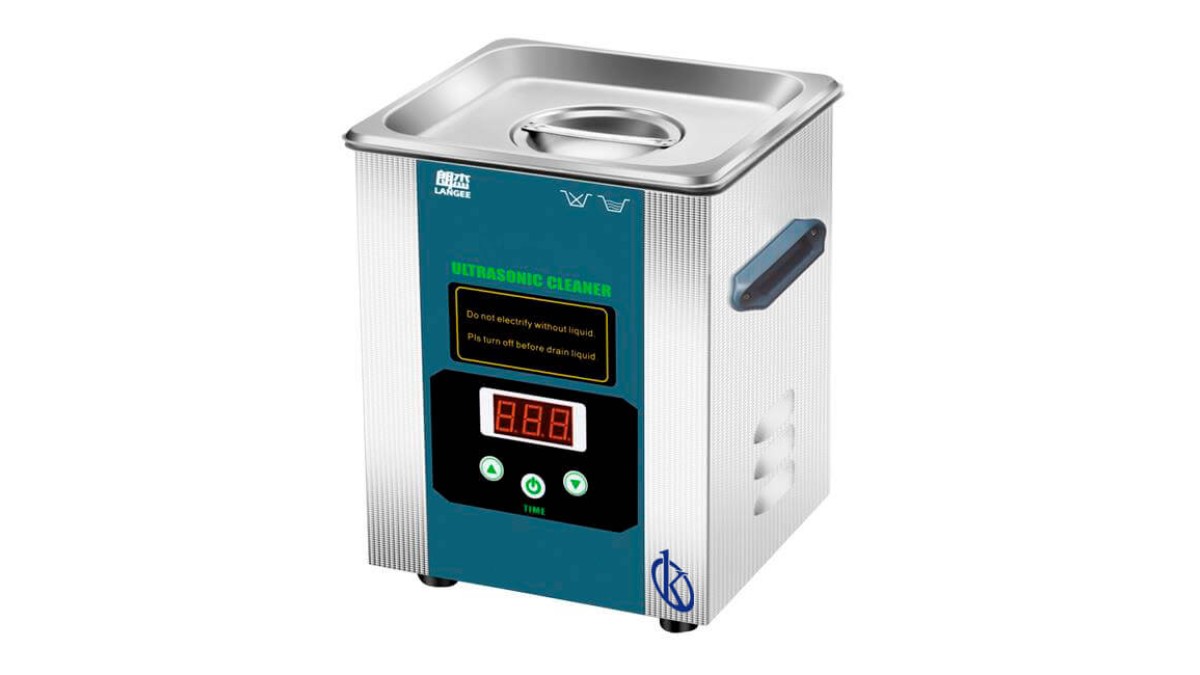
Mechanical Desktop Ultrasonic Cleanser: Best Techniques and Protocols 2026
What is it used for in 2026
In 2026, Mechanical Desktop Ultrasonic Cleansers are utilized extensively in various laboratory settings for cleaning intricate items such as jewelry, electronic components, and delicate glassware. These devices leverage ultrasonic waves to create cavitation bubbles in a cleaning solution, which effectively removes contaminants that are otherwise difficult to reach. This technology proves invaluable in sectors including medical laboratories, manufacturing, and electronics, where precision and cleanliness are paramount.
History and evolution of the technology
The origins of ultrasonic cleaning date back to the 1950s, when researchers discovered the potential of high-frequency sound waves to remove dirt and contaminants from surfaces. Over the decades, advancements in microprocessor technology have allowed for more sophisticated control over frequency and temperature settings, enhancing the effectiveness of ultrasonic cleaning. Today, models like the YR05207, YR05202, and YR05206 showcase these technological advancements, offering tailored solutions for various cleaning needs.
How to use it step by step
- Prepare the Cleaning Solution: Select an appropriate ultrasonic cleaning solution based on the materials you are cleaning. Fill the ultrasonic cleaner tank to the recommended level.
- Load the Items: Place the items to be cleaned in the basket, ensuring they do not touch each other for optimal cleaning.
- Set the Parameters: Choose the frequency and cleaning duration based on the manufacturer's recommendations. For example, delicate items may require lower frequencies.
- Start the Cleaning Process: Close the lid of the ultrasonic cleaner and start the cleaning cycle. Monitor the process where necessary.
- Rinse and Dry: After the cycle completes, remove items and rinse them with distilled water to eliminate any remaining cleaning solution. Dry thoroughly before storage or use.
Best techniques and protocols
To achieve optimal results, adhere to the following best practices when using Mechanical Desktop Ultrasonic Cleansers:
- Always use a cleaning solution compatible with the items being cleaned.
- Regularly replace the cleaning solution to maintain effectiveness.
- Conduct preliminary tests on sensitive items to determine the ideal settings.
- Ensure that the ultrasonic cleaner is maintained according to the manufacturer's guidelines, including regular inspections and cleaning of the tank.
Practical applications by laboratory type
Mechanical Desktop Ultrasonic Cleansers serve multiple laboratory types:
- Medical Laboratories: Ideal for cleaning surgical instruments, ensuring they are free of organic material.
- Chemical Laboratories: Used for cleaning glassware and lab equipment to prevent cross-contamination.
- Jewelry Workshops: Perfect for cleaning intricate jewelry pieces without damaging them.
Regulations, standards and certifications
In 2026, laboratories utilizing ultrasonic cleaners must comply with standards set forth by the FDA and ISO certifications to ensure safety and effectiveness. Regular audits and documentation of cleaning processes are vital to maintaining compliance.
Comparison with alternative technologies
While Mechanical Desktop Ultrasonic Cleansers are highly effective, alternative cleaning methods such as steam cleaning and chemical soaking also exist. However, ultrasonic cleaning often provides more thorough results in less time, making it the preferred choice for many laboratory applications.
Comparison of available models
| Model | Best for | Key specs | Recommended use case |
|---|---|---|---|
| YR05207 | Jewelry and small parts | 1.3L, 70W, 40kHz | Cleaning delicate jewelry and eyeglasses |
| YR05202 | General lab cleaning | 11L, 240W, 40/80/120kHz | Cleaning laboratory instruments |
| YR05203 | Medium scale cleaning | 15L, 360W, 40/80/120kHz | Cleaning larger medical instruments |
| YR05204 | Industrial applications | 20L, 360W, 40/80/120kHz | Cleaning components in manufacturing |
| YR05205 | Specialized laboratory cleaning | 22L, 480W, 40/80/120kHz | Cleaning complex laboratory setups |
| YR05206 | Heavy duty cleaning | 30L, 600W, 40/80/120kHz | Cleaning large and heavily soiled parts |
Common mistakes and how to avoid them
Laboratory professionals often make the following mistakes:
- Improper loading: Items should not be overcrowded in the tank. Avoid this by arranging items with adequate spacing.
- Using the wrong cleaning solution: Always select a solution that is safe for the items being cleaned.
- Ignoring maintenance: Regularly check and clean the ultrasonic tank to prevent buildup and ensure longevity.
Maintenance, calibration and good practices 2026
Regular maintenance in 2026 includes:
- Monthly deep cleaning of the ultrasonic tank.
- Periodic calibration of ultrasonic frequency and power settings to ensure optimal performance.
- Documenting maintenance activities for compliance and quality assurance.
Cost-benefit analysis 2026
Investing in Mechanical Desktop Ultrasonic Cleansers can lead to significant cost savings in labor and cleaning supplies. The time saved during cleaning processes enables laboratories to focus on core activities, increasing overall productivity. Additionally, the longevity of cleaned items can lead to reduced replacement costs.
Frequently asked questions
What is the best cleaning solution for ultrasonic cleansers?
The best cleaning solution depends on the materials being cleaned. Always refer to the manufacturer's recommendations for specific solutions that are safe and effective.
How long should I run the ultrasonic cleaner?
Cleaning durations vary based on the item and level of contamination. Typically, cycles range from 3 to 15 minutes, but always consult the manual for specific guidelines.
Can I clean electronics with an ultrasonic cleaner?
Yes, but caution is advised. Ensure that the components are not sensitive to moisture and use a mild cleaning solution.
How often should I clean the ultrasonic tank?
The tank should be cleaned after every use to prevent residue buildup, and a deep cleaning should be conducted monthly.
Are there safety precautions I should take?
Always wear protective gloves and goggles when handling cleaning solutions. Ensure the ultrasonic cleaner is placed on a stable, non-slip surface.
What items should not be cleaned in an ultrasonic cleaner?
Avoid cleaning items that are sensitive to water, such as certain types of gemstones, or items that may be damaged by ultrasonic waves.
Where can I request a quote for ultrasonic cleaners?
You can request a quote on Kalstein Plus, where we offer an extensive range of laboratory equipment tailored to your needs.
If you are looking for a fusion of innovation and quality, you have come to the right place. At Kalstein, we offer you the luxury of exploring our exclusive catalog of laboratory equipment. We manufacture every device to the highest standards of excellence. Our intuitive and seamless online purchasing channels are designed for your convenience, securing the most competitive prices. Hesitate no longer — we bring science to life, it is time to become part of our community.