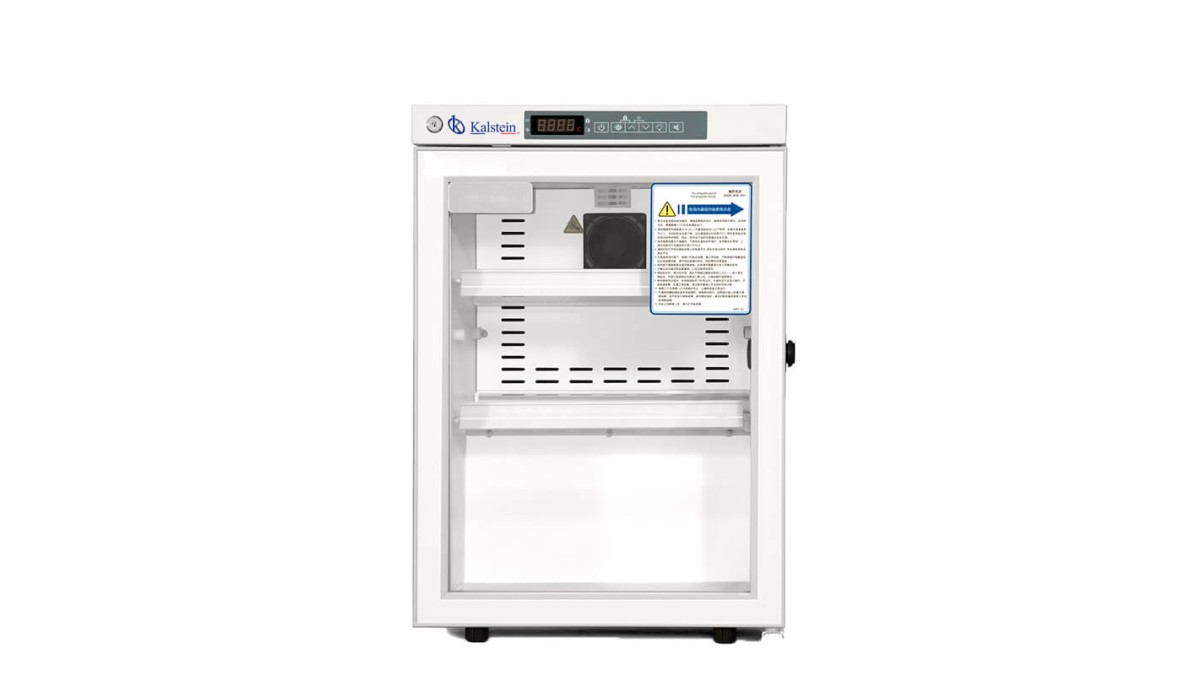
Medical Refrigerators: Applications in Research, Biotechnology, and Academia 2026
Medical refrigerators are essential for storing sensitive materials, including vaccines, biological samples, and pharmaceuticals. These devices are engineered to maintain specific temperature ranges essential for preserving the integrity of the stored items. As we move into 2026, understanding the applications of medical refrigerators in various laboratory environments becomes increasingly important.
What is it used for in 2026
Medical refrigerators are primarily used in laboratories, hospitals, and pharmaceutical facilities. Their applications include:
- Storing vaccines and medications that require refrigeration.
- Preserving biological samples for research and testing.
- Safeguarding temperature-sensitive materials needed in clinical trials.
- Maintaining the quality of reagents used in biochemical assays.
- Providing cold storage for materials in biotechnology processes.
History and evolution of the technology
The development of medical refrigeration technology has drastically evolved over the years. Initially, refrigerators used basic cooling methods which were not reliable for sensitive materials. With advancements in compressor technology, forced air cooling, and precise temperature control, modern medical refrigerators now offer improved efficiency and reliability. Innovations like digital monitoring systems and alarms have further enhanced their capabilities, allowing better management of temperature-sensitive products.
How to use it step by step
Using a medical refrigerator effectively involves several steps:
- Installation: Place the refrigerator in a location with stable ambient temperature away from heat sources.
- Calibration: Ensure the temperature settings are calibrated correctly according to the specific storage requirements.
- Loading: Organize materials in a way that allows for optimal airflow, placing the most sensitive items in the center.
- Monitoring: Regularly check the temperature and ensure that the alarm systems are functioning.
- Maintenance: Conduct routine checks and maintenance as per the manufacturer's guidelines.
Best techniques and protocols
Implementing best practices ensures the longevity and reliability of medical refrigerators. These include:
- Using internal thermal blankets to stabilize temperatures during door openings.
- Regularly defrosting units to maintain efficiency.
- Utilizing data loggers for continuous temperature monitoring.
- Establishing clearly defined protocols for loading and unloading items.
- Training staff thoroughly on the proper use and monitoring of the equipment.
Practical applications by laboratory type
Different types of laboratories utilize medical refrigerators in various ways:
- Clinical Laboratories: Store blood plasma, vaccines, and diagnostic reagents.
- Research Laboratories: Preserve biological specimens, cell cultures, and chemical reagents.
- Pharmaceutical Labs: Maintain samples of drugs and compounds at regulated temperatures during production and testing.
- Biotechnology Firms: Safeguard enzymes, cultures, and genetic materials that require precise temperature control.
Regulations, standards and certifications
Compliance with various regulations is critical for the use of medical refrigerators. Laboratories must adhere to standards set by:
- The International Organization for Standardization (ISO).
- The Food and Drug Administration (FDA) guidelines for pharmaceutical storage.
- The World Health Organization (WHO) recommendations for vaccine storage.
- National regulations governing laboratory practices and safety.
Comparison with alternative technologies
While medical refrigerators are vital, alternative technologies can sometimes offer additional benefits:
- Ultra-Low Freezers: Used for samples requiring temperatures below -80°C.
- Liquid Nitrogen Storage: Excellent for long-term preservation of biological materials.
- Walk-in Cold Rooms: Suitable for large-scale storage needs, providing greater space but requiring more investment.
Comparison of available models
| Model | Best for | Key specs | Recommended use case |
|---|---|---|---|
| YR05083 | Small laboratories | Temperature range: 2-8°C, Energy consumption: 0.84 kWh/24h, Price: $280 | Storing small quantities of vaccines or reagents. |
| YR05085 | Medium laboratories | Temperature range: 2-8°C, Energy consumption: 3.97 kWh/24h, Price: $770 | Ideal for clinical diagnostics and pharmaceutical storage. |
| YR05086 | Research laboratories | Temperature range: 2-8°C, Energy consumption: 5.75 kWh/24h, Price: $1220 | Great for storing sensitive biological samples. |
| YR05087 | Large laboratories | Temperature range: 2-8°C, Energy consumption: 6.23 kWh/24h, Price: $1190 | Perfect for storage of larger volumes of critical samples. |
| YR05286-1 | Pharmaceutical companies | Temperature range: 2-8°C, Price: $1190 | Used for high-volume storage of medications and vaccines. |
| YR05288 | Pharmaceutical storage | Temperature range: 2-8°C, Price: $560 | Best option for storing vaccines and sensitive materials. |
Common mistakes and how to avoid them
To optimize the use of medical refrigerators, avoid these common mistakes:
- Overloading the refrigerator, which can obstruct airflow and lead to inconsistent temperatures.
- Neglecting routine maintenance tasks, which can compromise the unit’s performance.
- Ignoring alarm systems; always respond to alerts promptly to protect stored materials.
- Using the refrigerator for inappropriate items, compromising their specified function.
Maintenance, calibration and good practices 2026
Proper upkeep is essential for optimal functionality:
- Schedule regular calibration checks to ensure temperature accuracy.
- Perform routine cleaning of the internal components to prevent contamination.
- Check seals and door gaskets for wear and replace them if necessary.
- Document all maintenance practices for compliance and quality assurance.
Cost-benefit analysis 2026
Investing in medical refrigerators can provide significant benefits:
- Ensures the safety of valuable samples and medications, reducing losses due to spoilage.
- Enhances workflow efficiency by providing reliable storage solutions.
- Reduces costs associated with regulatory fines for non-compliance.
- Promotes reputation and trust in laboratory results through quality assurance.
Frequently asked questions
How do I choose the right medical refrigerator for my laboratory?
Select the model based on your storage capacity needs, dimensions available in your lab, and the temperature stability required for your materials.
What is the ideal temperature range for storing vaccines?
The ideal temperature range for vaccine storage is between 2°C and 8°C, which is maintained by most medical refrigerators.
How often should I perform maintenance on my medical refrigerator?
Routine maintenance checks should be carried out quarterly, with more frequent checks in high-use scenarios to ensure optimal performance.
Can I place a medical refrigerator in an unconditioned room?
It is not advisable to place a medical refrigerator in an unconditioned room as temperature fluctuations can affect the performance and reliability of the unit.
What should I do if the alarm on my medical refrigerator goes off?
If the alarm goes off, check the temperature settings, inspect for door hinges, and ensure there are no power outages. Take immediate action to rectify any issues.
Is it necessary to log temperature data from my refrigerator?
Yes, logging temperature data is crucial for compliance with health regulations and to track the storage conditions of your materials over time.
How can I request a quote for a medical refrigerator?
Visit our website or contact us directly to request a quote tailored to your laboratory needs.
If you are looking for a fusion of innovation and quality, you have come to the right place. At Kalstein, we offer you the luxury of exploring our exclusive catalog of laboratory equipment. We manufacture every device to the highest standards of excellence. Our intuitive and seamless online purchasing channels are designed for your convenience, securing the most competitive prices. Hesitate no longer — we bring science to life, it is time to become part of our community.