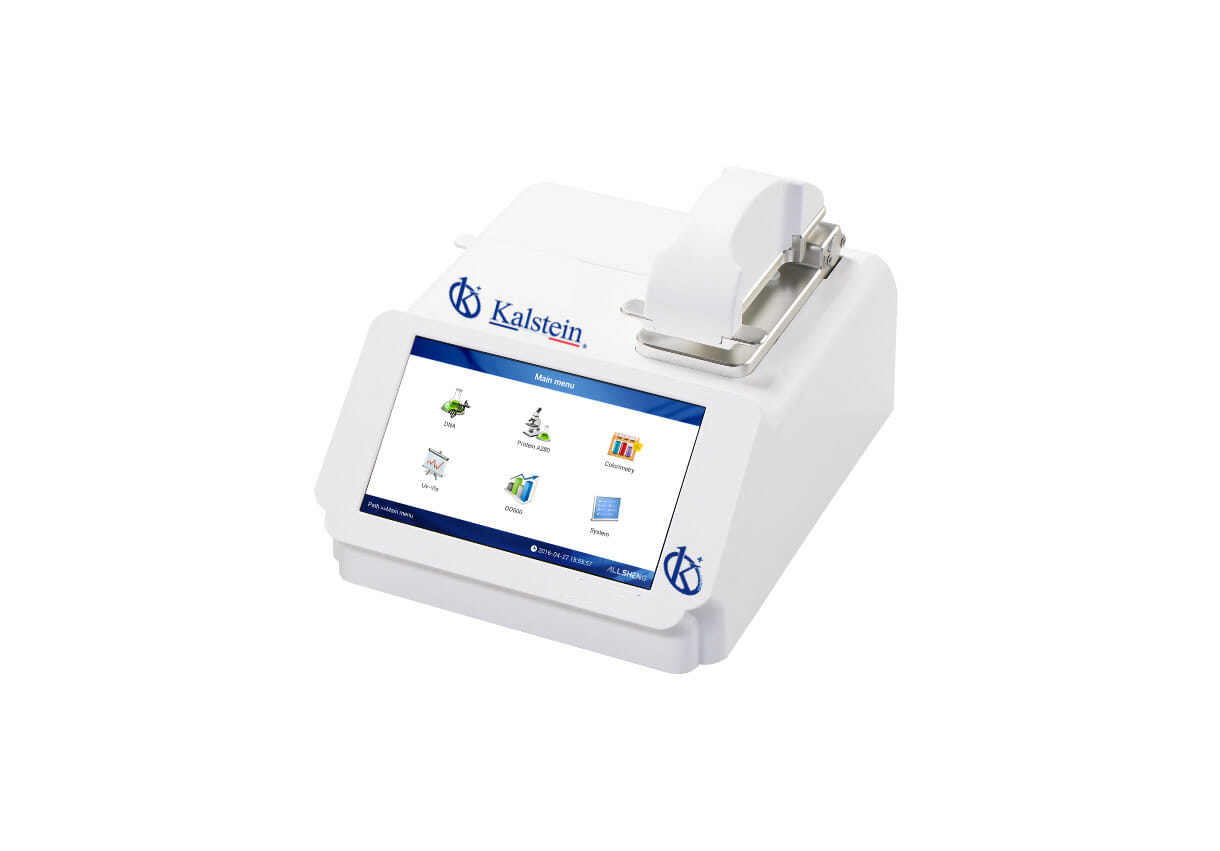
Micro-Spectrophotometers: Practical Applications and Techniques 2026
In the realm of laboratory analysis, micro-spectrophotometers have become an indispensable tool for scientists and researchers in 2026. These devices allow for precise measurement of biomolecules like DNA and proteins with minimal sample sizes. This guide aims to equip laboratory professionals with a detailed understanding of how to effectively utilize these instruments, the techniques involved, and the best practices for 2026.
What is it used for in 2026
Micro-spectrophotometers are utilized primarily for the quantification and assessment of nucleic acids and proteins in various biological samples. They enable scientists to perform analyses with only a few microliters of sample, making them ideal for labs where sample availability is limited or for precious samples where conservation is key. Applications include:
- Measuring nucleic acid concentrations (DNA, RNA)
- Assessing protein concentrations
- Conducting purity assessments of samples
- Monitoring bacterial growth through OD measurements
History and evolution of the technology
The development of micro-spectrophotometers dates back to the early advancements in optical technologies. Initially, spectrophotometers required larger sample volumes. However, with the advent of micro-volume techniques and advancements in light source technologies, instruments were miniaturized to work effectively with smaller samples. The integration of digital interfaces and user-friendly software has enabled faster and more accurate measurements. Today's micro-spectrophotometers, such as the YR06033-1, YR06034, and YR06035, represent the culmination of decades of innovation.
How to use it step by step
Using a micro-spectrophotometer involves the following steps:
- Preparation of Samples: Ensure that your samples are prepared in micro-volume tubes and are free from contaminants.
- Calibration: Calibrate the micro-spectrophotometer according to the manufacturer's guidelines, using appropriate blank samples.
- Loading the Sample: Place a small volume (typically 0.5-2 μL) of the sample onto the measurement pedestal.
- Running the Measurement: Select the desired wavelength and run the measurement. The device will provide absorbance values.
- Data Analysis: Analyze the output data using the integrated software or export it for further analysis.
Best techniques and protocols
To maximize the effectiveness of micro-spectrophotometers, adhere to these best techniques:
- Utilize appropriate blank controls to ensure that readings are accurate.
- Regularly calibrate the device before usage to maintain precision.
- Ensure that all sample materials are compatible with the spectrophotometer's optical path.
- Use consistent sample volumes to eliminate variability in results.
- Maintain a clean measurement area to prevent contamination.
Practical applications by laboratory type
Micro-spectrophotometers are versatile tools, finding applications in various types of laboratories:
- Genetics Laboratories: Used for quantifying nucleic acids in cloning, sequencing, and gene expression studies.
- Clinical Laboratories: Essential for assessing protein concentrations in diagnostic assays.
- Environmental Laboratories: Aid in monitoring microbial contaminations in water testing.
- Pharmaceutical Laboratories: Used in drug formulation and stability studies where precise concentrations of active ingredients are critical.
Regulations, standards and certifications
The use of micro-spectrophotometers in laboratories is governed by various regulations and standards that ensure accuracy and reliability. Compliance with Good Laboratory Practices (GLP) is essential, and labs must also adhere to ISO standards relevant to instrumentation and quality control. Regular audits and certifications will help maintain high-quality standards.
Comparison with alternative technologies
While micro-spectrophotometers are widely used, alternatives such as conventional spectrophotometers and fluorometers exist. Conventional spectrophotometers require larger sample volumes and may not provide the specificity needed for certain applications. Fluorometers, on the other hand, are excellent for measuring fluorescence but do not measure absorbance directly, which can limit their applicability in some scenarios.
Comparison of available models
| Model | Best for | Key specs | Recommended use case |
|---|---|---|---|
| YR06033-1 | Nucleic Acid and Protein Measurement | 200-800 nm, 0.5-2.0 μl sample | High throughput labs needing quick and precise measurements |
| YR06034 | DNA and RNA Concentration | 260 nm, 1-2.0 μl sample | Routine nucleic acid quantification in research settings |
| YR06035 | Bacterial Growth Monitoring | 200-800 nm, 0.5-2.0 μl sample | Monitoring bacterial cultures in microbiology labs |
Common mistakes and how to avoid them
In using micro-spectrophotometers, common mistakes can lead to inaccurate results:
- Not calibrating: Always calibrate before measurement.
- Sample contamination: Use clean tools and avoid handling samples unnecessarily.
- Improper sample volumes: Ensure measurement volumes are within the specified range.
Maintenance, calibration and good practices 2026
Proper maintenance of micro-spectrophotometers includes:
- Regular cleaning of optical components to avoid interference.
- Following manufacturer guidelines for calibration schedules.
- Documenting maintenance and calibration activities for quality assurance.
Cost-benefit analysis 2026
While the initial investment in a micro-spectrophotometer may be significant, the benefits in terms of speed, accuracy, and reduced sample usage provide a compelling cost-benefit analysis. In 2026, these devices enhance laboratory productivity, resulting in overall savings in materials and time.
Frequently asked questions
What should I consider when choosing a micro-spectrophotometer?
Consider factors such as the wavelength range, minimum sample volume, speed of measurement, and ease of use. Also, look at the specific applications you'll need it for, such as nucleic acid quantification or protein analysis.
How do I maintain my micro-spectrophotometer?
Regularly clean the optical components, follow a calibration schedule, and document maintenance activities for quality control. Ensure the instrument is stored correctly when not in use.
Can micro-spectrophotometers measure proteins?
Yes, most micro-spectrophotometers can measure protein concentrations using absorbance at specific wavelengths, typically around 280 nm.
What type of sample can I use with a micro-spectrophotometer?
You can use a variety of biological samples, including purified nucleic acids, proteins, and cellular lysates, as long as they are compatible with the measurement techniques.
Is there a specific training required to use a micro-spectrophotometer?
Basic training in using laboratory instruments and understanding spectrophotometric principles is recommended. Familiarity with specific model features will be beneficial.
How can I troubleshoot measurement errors?
Check calibration, ensure that the sample is free from bubbles and contaminants, confirm that you are using the correct sample volume, and review the setup instructions.
If you are looking for a fusion of innovation and quality, you have come to the right place. At Kalstein, we offer you the luxury of exploring our exclusive catalog of laboratory equipment. We manufacture every device to the highest standards of excellence. Our intuitive and seamless online purchasing channels are designed for your convenience, securing the most competitive prices. Hesitate no longer — we bring science to life, it is time to become part of our community.