Microtome Series: Common Mistakes and How to Avoid Them in Daily Operation 2026
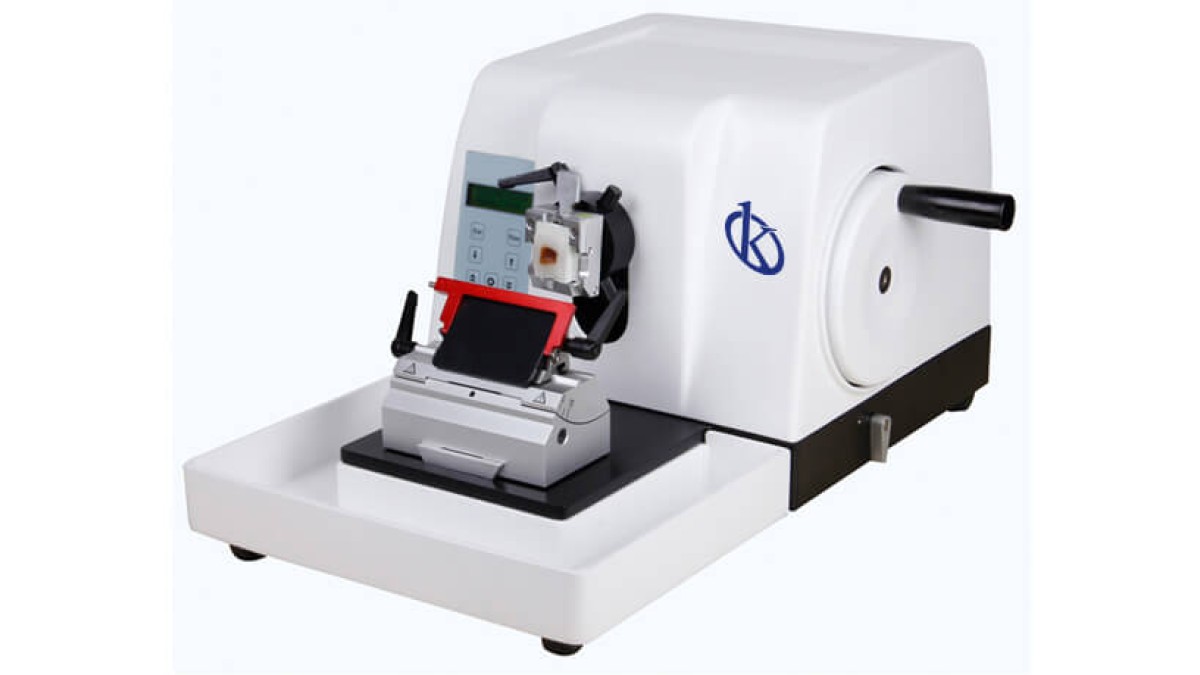
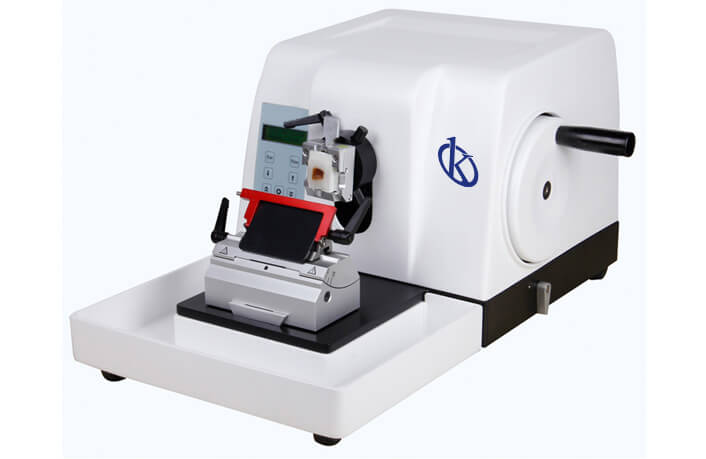
The Microtome Series is a fundamental tool in pathological anatomy, essential for producing thin tissue sections for microscopic examination. Understanding the proper use and avoiding common mistakes can significantly enhance your laboratory's workflow.
What is it used for in 2026
The Microtome Series is primarily utilized in histology and pathology laboratories to slice specimens into thin layers for microscopic analysis. In 2026, the emphasis is on producing high-quality sections efficiently, enabling accurate diagnosis and research. The microtomes are used for both paraffin and frozen sections, catering to various applications in medical research, industrial quality control, and educational purposes.
History and evolution of the technology
The history of microtomy dates back to the 19th century, with the first hand-held microtomes developed for anatomical studies. Over the years, the technology evolved from manual to semi-automatic systems, enhancing precision and ease of use. The modern Microtome Series represents the pinnacle of this evolution, integrating advanced engineering and user-friendly designs to meet contemporary laboratory demands.
How to use it step by step
- Prepare your samples: Ensure that your tissue specimens are adequately fixed, dehydrated, and embedded in the appropriate medium.
- Set up the microtome: Adjust the cutting thickness, ensuring it meets your experimental requirements.
- Load the sample: Secure the sample in the sample holder, ensuring it is stable and correctly aligned.
- Adjust the cutting settings: Optimize the blade angle and pressure for the material you are working with.
- Begin sectioning: Activate the motor or manually advance the blade to start cutting thin sections.
- Collect and mount sections: Use a brush to collect the sections and mount them on glass slides for staining.
- Clean the microtome: After use, thoroughly clean the microtome to maintain it in optimal condition.
Best techniques and protocols
Using the Microtome Series effectively requires adherence to several best practices:
- Regularly calibrate the microtome to ensure precision.
- Use high-quality blades that are appropriate for the specimen type.
- Maintain a clean workspace to prevent contamination.
- Train all users on proper techniques to minimize errors.
- Document all procedures to ensure reproducibility in experiments.
Practical applications by laboratory type
Microtomes are versatile tools used in various laboratory settings:
- Clinical laboratories: Essential for preparing tissue samples for diagnosis.
- Research laboratories: Used in the study of cellular structures and disease mechanisms.
- Industrial labs: Implemented in quality control processes for materials testing.
- Educational institutions: Aids in teaching histological techniques and anatomy.
Regulations, standards and certifications
Laboratories utilizing microtomes must comply with various standards and regulations, including:
- ISO 15189 for medical laboratories.
- CLIA regulations for laboratory testing in the United States.
- Good Laboratory Practice (GLP) guidelines to ensure quality and integrity in research.
Comparison with alternative technologies
While microtomes are widely used, alternatives such as cryostats and laser microdissection systems are available. Cryostats are ideal for frozen sectioning and provide rapid results, while laser microdissection allows for precise targeting of specific tissue areas. However, traditional microtomes offer versatility, ease of use, and are generally more cost-effective.
Comparison of available models
| Model | Best for | Key specs | Recommended use case |
|---|---|---|---|
| YR417-1 | General sectioning | Price: $5200.00 | Ideal for routine and high-volume sectioning tasks. |
| YR416 | Universal cutting | Price: $3600.00 | Best for varied applications in paraffin and frozen sections. |
| YR417 | Manual cutting | Price: $4000.00 | Excellent for flexibility in tissue preparation. |
| YR420 | High precision cutting | Price: $2400.00 | Recommended for detailed histological studies. |
| YR421 | Stable operation | Price: $2400.00 | Suitable for consistent laboratory use. |
| YR422 | Advanced sectioning | Price: $1200.00 | Perfect for innovative histological applications. |
Common mistakes and how to avoid them
When operating microtomes, several frequent errors can arise:
- Inconsistent section thickness: Ensure the blade is sharp, and the settings are correct.
- Sample misalignment: Verify the specimen is correctly positioned before cutting.
- Neglecting maintenance: Regularly clean and calibrate the microtome to prevent malfunction.
- Improper blade handling: Always use gloves and handle blades with care to avoid injuries.
Maintenance, calibration and good practices 2026
To maintain the longevity and efficiency of the Microtome Series:
- Perform routine cleaning after each use.
- Calibrate the equipment monthly or as required based on usage.
- Replace blades regularly to ensure clean cuts.
- Train staff on safe handling and operation.
Cost-benefit analysis 2026
Investing in a microtome can offer significant benefits, such as:
- Increased accuracy in sample preparation leads to better diagnostic outcomes.
- Time savings through efficient sectioning processes.
- Reduced operational costs by minimizing waste of materials.
When assessing the costs, consider the model's features, maintenance expenses, and long-term value to the laboratory.
Frequently asked questions
What are the key things to consider when choosing a microtome?
When selecting a microtome, consider factors such as the type of specimens you will be working with, the required section thickness, ease of use, available features, and your budget. Understanding the specific needs of your laboratory will help you select the most suitable model.
How can I improve the quality of my microtome sections?
To enhance section quality, ensure that your specimens are properly prepared and embedded. Use high-quality blades, maintain consistent cutting speed, and regularly calibrate the microtome to ensure accuracy.
What is the best way to maintain a microtome?
Regular cleaning and calibration are essential. After each use, clean the blades and surfaces to prevent contamination. Schedule routine maintenance checks and replace blades as needed to ensure optimal performance.
Can I use a microtome for different types of specimens?
Yes, many microtomes are versatile and can be used for various specimens, including paraffin-embedded and frozen tissues. Ensure that the model you choose is designed for the types of samples you plan to work with.
What should I do if I encounter issues with my microtome?
If you experience problems with your microtome, first consult the user manual for troubleshooting tips. If issues persist, contact the manufacturer or a qualified technician for support.
How do I ensure the safety of my staff when using a microtome?
Train your staff on proper microtome operation and safety procedures. Provide protective gear such as gloves and goggles, and ensure that everyone understands how to handle blades safely to prevent accidents.
Where can I request a quote for a microtome?
You can request a quote by reaching out to our customer service team who will assist you in finding the right equipment for your needs.
If you are looking for a fusion of innovation and quality, you have come to the right place. At Kalstein, we offer you the luxury of exploring our exclusive catalog of laboratory equipment. We manufacture every device to the highest standards of excellence. Our intuitive and seamless online purchasing channels are designed for your convenience, securing the most competitive prices. Hesitate no longer — we bring science to life, it is time to become part of our community.