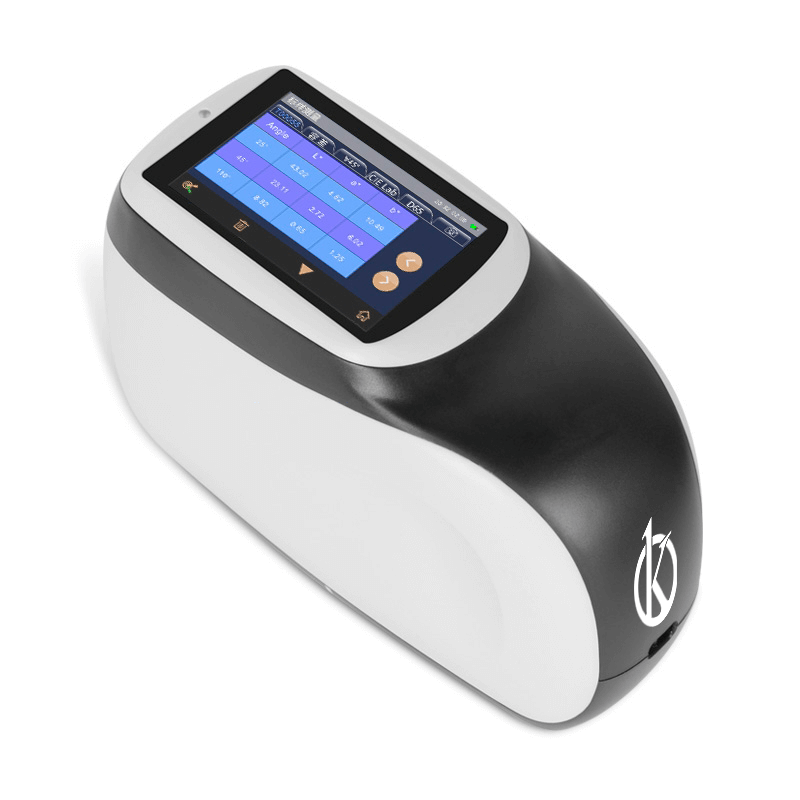
Multi Angles Spectrophotometer: Practical Applications in Clinical and Hospital Laboratories 2026
What is it used for in 2026
The Multi Angles Spectrophotometer is an essential tool in today’s laboratory environments, particularly in clinical and hospital settings. In 2026, its primary applications include measuring color differences in various samples, assessing the quality of coatings, and ensuring compliance with industry standards. The device employs multiple angles of measurement to enhance color accuracy, making it invaluable for industries such as paint manufacturing, textiles, and pharmaceuticals.
History and evolution of the technology
The development of spectrophotometry dates back to the early 19th century, evolving significantly over the decades. Initially designed for simple light absorption measurements, advancements in technology led to the creation of multi-angle spectrophotometers. These devices use sophisticated optical systems to capture comprehensive data from various angles, enhancing accuracy and reliability in measurements. The continuous improvement in sensor technology and data processing capabilities has made modern multi-angle spectrophotometers more effective and user-friendly.
How to use it step by step
Using a Multi Angles Spectrophotometer involves several key steps:
- Preparation: Ensure the instrument is calibrated and clean. Review the user manual for specific requirements.
- Sample Selection: Choose the samples for measurement, ensuring they are representative and properly prepared.
- Setup: Position the samples in the spectrophotometer according to the manufacturer’s guidelines.
- Measurement: Select the desired measurement angles and initiate the measurement process.
- Data Analysis: After the measurements are complete, analyze the data using the software provided with the instrument. Compare against established standards as necessary.
- Reporting: Document the findings, including any discrepancies or observations during the measurement process.
Best techniques and protocols
To achieve optimal results with a Multi Angles Spectrophotometer, consider the following techniques and protocols:
- Regular calibration according to the manufacturer’s guidelines.
- Use of consistent lighting conditions to minimize external influences on measurements.
- Adopting standard procedures for sample preparation to ensure reliability.
- Utilizing software tools for comprehensive data analysis and reporting.
- Training laboratory personnel on the correct usage of the equipment to prevent user errors.
Practical applications by laboratory type
Multi Angles Spectrophotometers can be applied across various laboratory types:
- Clinical Laboratories: Used for colorimetric analysis in blood tests and other diagnostic procedures.
- Manufacturing: Employed for quality control in paint, ink, and textile production, ensuring color consistency.
- Research Laboratories: Essential for studies involving photometric analysis in diverse research fields.
- Environmental Testing: Utilized to analyze water samples for colorimetric assessments relevant to environmental health.
Regulations, standards and certifications
Multi Angles Spectrophotometers must comply with various regulations and standards to ensure accuracy and reliability. These include:
- ASTM D 2244: Standard Test Method for the Determination of Color Differences by Instrumental Measurement.
- ISO 7724: A standard for color measurement in the industry.
- DIN 5033: Guidelines for color measurement in different materials.
- Regular audits and certifications may also be required depending on the laboratory’s operational framework.
Comparison with alternative technologies
When considering alternatives to Multi Angles Spectrophotometers, it’s essential to compare features and functionalities:
- Traditional Spectrophotometers: Typically measure color at a single angle, which may limit accuracy in certain applications.
- Colorimeters: Generally less expensive and simpler but may not provide the detailed data required for comprehensive analysis.
- Advanced Imaging Systems: Offer high-resolution imaging but can be more complex and costly, making them less suitable for routine measurements.
Comparison of available models
| Model | Best for | Key specs | Recommended use case |
|---|---|---|---|
| YR05491 | Multi-angle color measurement | Measurement geometry: 8 angles, Price: $8730.00 | Ideal for comprehensive color analysis in various applications. |
| YR05492 | Advanced color accuracy | Measurement geometry: 12 angles, Price: $13492.00 | Best suited for industries requiring high precision in color matching. |
| YR05488 | Basic color measurement | Measurement geometry: 3 angles, Price: $2857.00 | Effective for routine color checks in manufacturing. |
| YR05489 | Standard color analysis | Measurement geometry: 5 angles, Price: $4762.00 | A good choice for laboratories with moderate color measurement needs. |
| YR05490 | Consistent color evaluation | Measurement geometry: 3 angles, Price: $6032.00 | Recommended for industries needing reliable color checks without high complexity. |
Common mistakes and how to avoid them
Common pitfalls when using Multi Angles Spectrophotometers include:
- Neglecting Calibration: Failing to regularly calibrate the instrument can lead to inaccurate results. Schedule regular calibration checks.
- Poor Sample Preparation: Inadequately prepared samples can yield misleading results. Ensure samples are clean and properly mounted.
- Ignoring Environmental Factors: External lighting and temperature can affect readings. Conduct measurements in controlled environments.
- Overlooking Software Updates: Outdated software can hinder performance. Regularly update the instrument’s software for optimal functionality.
Maintenance, calibration and good practices 2026
To ensure longevity and accuracy, adhere to the following maintenance practices:
- Perform daily cleanings of the optical components to prevent residue build-up.
- Calibrate the device at regular intervals, based on usage frequency.
- Check all connections and power sources to ensure consistent operation.
- Document maintenance activities and any issues encountered to assist in troubleshooting.
- Train staff on proper handling and protocol adherence to minimize user errors.
Cost-benefit analysis 2026
Investing in a Multi Angles Spectrophotometer involves considering both initial costs and long-term benefits. Here’s a brief analysis:
- Initial Costs: Prices range from approximately $2857.00 to $13492.00 depending on model specifications.
- Operational Efficiency: Enhanced accuracy and reliability can lead to reduced material waste and re-testing.
- Regulatory Compliance: Meeting industry standards can protect against financial penalties and enhance marketability.
- Long-term Savings: Improved measurement techniques can extend the lifespan of products and reduce defects.
Frequently asked questions
What should I consider when choosing a Multi Angles Spectrophotometer?
Consider the application requirements, measurement angles needed, and your budget. Ensure the model you choose can provide the level of accuracy and reliability necessary for your specific needs.
How do I prepare a sample for measurement?
Ensure the sample surface is clean and free from contaminants. Use consistent sample thickness and avoid any reflective materials that may interfere with measurements.
How often should I calibrate my Multi Angles Spectrophotometer?
Calibration frequency depends on usage, but generally, it should be performed at least once a week or before any critical measurements.
What are the common mistakes in using these devices?
Common mistakes include neglecting calibration, poor sample preparation, and ignoring environmental factors that could affect measurements.
Can I use a Multi Angles Spectrophotometer for different materials?
Yes, these devices can be used for various materials, but ensure to adjust settings according to the material type for optimal results.
How can I ensure accurate results?
To ensure accuracy, maintain consistent environmental conditions, regularly calibrate the device, and properly prepare your samples.
Where can I request a quote for a Multi Angles Spectrophotometer?
You can request a quote through our online platform, where you will find various models tailored to your laboratory needs.
If you are looking for a fusion of innovation and quality, you have come to the right place. At Kalstein, we offer you the luxury of exploring our exclusive catalog of laboratory equipment. We manufacture every device to the highest standards of excellence. Our intuitive and seamless online purchasing channels are designed for your convenience, securing the most competitive prices. Hesitate no longer — we bring science to life, it is time to become part of our community.