How to Optimize Data Flow Integration in Environmental Chambers with LIMS
In laboratory environments, the integration of Environmental Chambers with Laboratory Information Management Systems (LIMS) is essential for enhancing data management and operational efficiency. This article explores practical approaches to streamline data flow, ensuring that laboratory professionals can leverage the full potential of these systems.
The Importance of Data Flow in Environmental Chambers
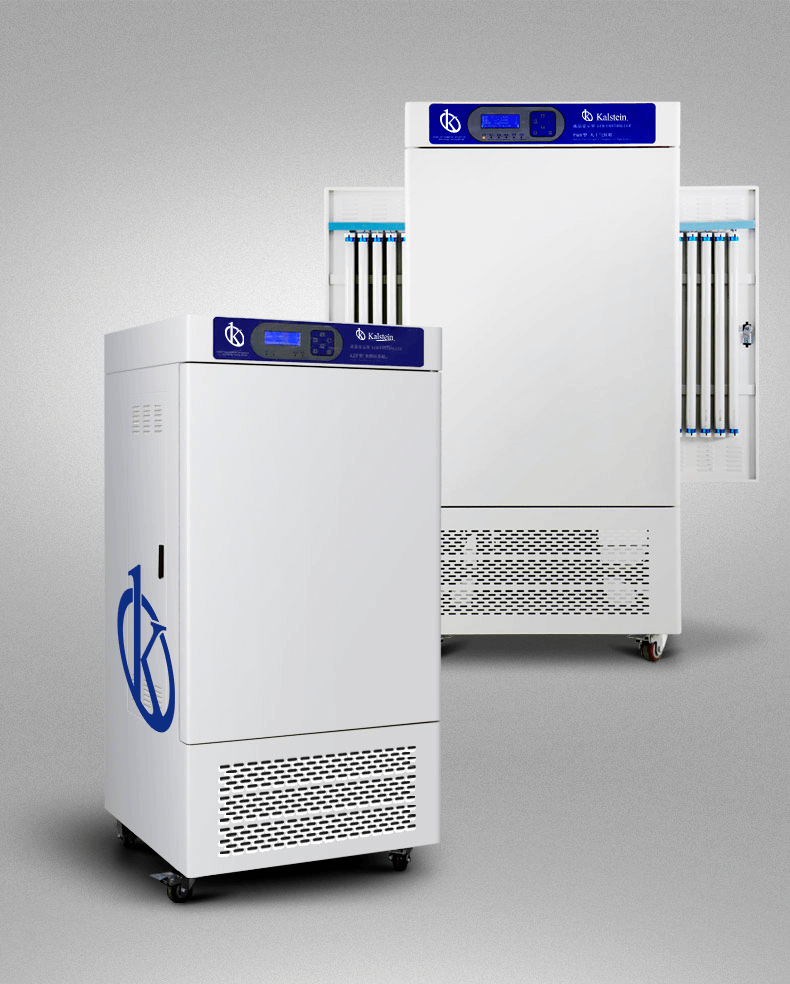
Environmental Chambers, such as the Artificial Climate Incubators YR05328, YR05329, and YR05330, are critical for simulating natural environments for various biological and agricultural applications. Effective data flow integration with LIMS allows for real-time monitoring, precise control of experimental conditions, and comprehensive data collection.
Maintaining control over temperature and humidity fluctuations is vital for achieving reproducible results. By digitizing data flows, laboratories can minimize human error, enhance traceability, and ensure compliance with regulatory standards while optimizing operational workflows.
Understanding LIMS and Its Role
LIMS facilitates the management of samples, associated data, and laboratory workflows. When integrated with Environmental Chambers, it aids in capturing and analyzing data generated by these chambers, thus enhancing research capabilities in biology, medicine, agriculture, and environmental sciences.
Key Features of Environmental Chambers and Their LIMS Integration Potential
Artificial Climate Incubator YR05328
This model is designed for efficient energy consumption, featuring a compressor with a delay protection function. Its unique air circulation ensures uniform temperature control, making it suitable for a range of biological experiments. Integration with LIMS allows for real-time monitoring of temperature settings and humidity levels, aiding in compliance with ISO standards.
Artificial Climate Incubator YR05329
Similar to the YR05328, this model offers enhanced lighting capabilities and a slightly larger volume, making it ideal for extensive research applications. Integrating it with LIMS helps streamline the data management process, providing a comprehensive overview of experimental conditions, which is crucial for research integrity.
Artificial Climate Incubator YR05330
The YR05330 model extends the capabilities of its predecessors with improved specifications. With an increased focus on energy efficiency and advanced humidity control, it allows laboratories to run complex experiments while ensuring data accuracy when integrated with LIMS technology.
Comparison of Available Models
| Model | Temperature Range (°C) | Humidity Range (%) | Power (W) | Volume (L) | Best Use |
|---|---|---|---|---|---|
| YR05328 | 10~60 (with light), 5~60 (without) | 50%~90% | 900 | 150 | Biology and agricultural research |
| YR05329 | 10~60 (with light), 5~60 (without) | 50%~90% | 1000 | 250 | Extensive experimental applications |
| YR05330 | 10~60 (with light), 5~60 (without) | 50%~90% | 1200 | 350 | Complex experimental setups |
Common Mistakes and How to Avoid Them
Laboratories often face challenges during LIMS integration with Environmental Chambers. Common errors include not defining clear protocols for data capture, overlooking training needs for staff, and neglecting to validate the system’s performance in real-time scenarios. To avoid these pitfalls, laboratories should implement a structured validation plan, provide comprehensive training, and continuously monitor system performance.
Best Practices for Integration
To achieve seamless integration between Environmental Chambers and LIMS, laboratories should prioritize the following practices:
- Establish clear data management protocols to ensure consistency.
- Utilize compatible connectivity protocols, such as REST or HL7, for data exchange.
- Engage in regular system audits to keep the integration optimized.
- Implement a feedback loop to refine processes based on user experiences.
Enhancing Data Integrity with LIMS
Data integrity is critical in laboratory settings. By integrating Environmental Chambers with LIMS, laboratories can ensure traceability and compliance with standards like ISO 17025. Real-time data capture minimizes the risks associated with manual entry, significantly improving the reliability of results.
Frequently Asked Questions
How can LIMS integration improve efficiency in Environmental Chambers?
LIMS integration enables real-time monitoring and automated data collection from Environmental Chambers like YR05328, reducing manual data entry errors and streamlining workflows.
Which Environmental Chamber model is best for LIMS integration?
The YR05330 model is highly recommended for LIMS integration due to its advanced specifications and capacity to handle complex experimental setups effectively.
What are the key benefits of using Environmental Chambers with LIMS?
Utilizing Environmental Chambers with LIMS allows for enhanced data accuracy, improved compliance with regulatory standards, and better control of experimental conditions in laboratory settings.
How does LIMS ensure compliance with ISO standards in Environmental Chambers?
LIMS provides features that support traceability and documentation, which are crucial for meeting ISO standards, especially in models like YR05329.
What data protocols should be considered for LIMS integration with Environmental Chambers?
Protocols such as REST and HL7 are essential for successful data communication between LIMS and Environmental Chambers, ensuring seamless integration.
What challenges might arise when integrating Environmental Chambers with LIMS?
Challenges include data capture inaccuracies, integration complexity, and the need for training personnel on system functionalities.
How can data visualization improve research outcomes in Environmental Chambers?
Data visualization tools integrated with LIMS can enhance research outcomes by providing clear insights into environmental conditions and trends during experiments.
Conclusion
Integrating Environmental Chambers with LIMS is essential for modern laboratories aiming to optimize data flow and enhance operational efficiency. By employing best practices and understanding the functionalities of each model, laboratories can significantly improve their research outcomes.
If you are looking for a fusion of innovation and quality, you have come to the right place. At Kalstein, we offer you the luxury of exploring our exclusive catalog of laboratory equipment. We manufacture every device to the highest standards of excellence. Our intuitive and seamless online purchasing channels are designed for your convenience, securing the most competitive prices. Hesitate no longer — we bring science to life, it is time to become part of our community.