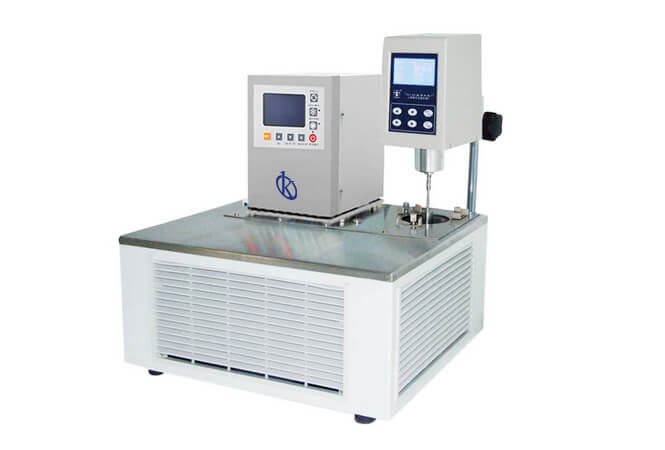
How to Optimize Data Flow Integration with LIMS Using Bath Circulators
As laboratories strive to improve efficiency and data accuracy, integrating laboratory instruments with Laboratory Information Management Systems (LIMS) becomes increasingly essential. Bath circulators play a pivotal role in this transformation by ensuring precise temperature control while facilitating seamless data flow. In this article, we will explore the essential aspects of integrating bath circulators with LIMS, highlighting various models and their unique features. The focus will be on how these devices not only enhance experimental reliability but also contribute to the digitalization of laboratory workflows.
Understanding the Importance of LIMS Integration
LIMS integration allows laboratories to streamline operations, ensuring that data is captured and analyzed effectively. By incorporating bath circulators into this framework, labs can maintain consistent temperature conditions, which is critical for experiments that require precise heating and cooling. The integration fosters real-time monitoring and data collection, minimizing human error and improving overall lab management.
Key Features to Look for in Bath Circulators for LIMS Integration
When selecting bath circulators for LIMS integration, several features should be considered:
- Temperature Stability: Look for a model that offers a narrow temperature fluctuation range, ideally ±0.1°C or better, to ensure accuracy.
- Connectivity Options: Models that support various communication protocols (e.g., TCP/IP, RS-232) will facilitate easier integration with LIMS.
- Data Logging Capabilities: This feature allows continuous monitoring and data recording, which is crucial for compliance and analysis.
- User-Friendly Interface: A model with an intuitive interface will reduce training time and improve usability for lab personnel.
Comparison of Available Models
| Model | Temperature Range (°C) | Stability (°C) | Flow Rate (L/min) | Best For |
|---|---|---|---|---|
| YR04985 | -5 to 99.9 | ±0.1 | N/A | Viscometers |
| YR04999 | -30 to 100 | ±0.05 | 14 | Electronic testing |
| YR04996 | -5 to 100 | ±0.05 | 30 | Chemical synthesis |
| YR04988 | -20 to 100 | ±0.05 | 14 | Life sciences experiments |
| YR04989 | -30 to 100 | ±0.05 | N/A | General laboratory use |
| YR04986 | -5 to 100 | ±0.05 | 14 | Multi-user setups |
Advantages of Using Bath Circulators with LIMS
Integrating bath circulators with LIMS provides several advantages:
- Enhanced Data Accuracy: Automated data logging reduces the potential for human error during experiments.
- Improved Compliance: Bath circulators ensure that temperature-sensitive experiments adhere to strict regulatory standards by maintaining consistent conditions.
- Streamlined Workflows: Real-time data transfer to LIMS allows lab personnel to monitor experiments without manual checks, enhancing productivity.
Common Mistakes and How to Avoid Them
Laboratories often encounter pitfalls when integrating bath circulators with LIMS. Here are some common mistakes and strategies to avoid them:
- Neglecting Compatibility: Always verify that the bath circulator’s communication protocols align with the LIMS to ensure seamless integration.
- Underestimating Training Needs: Provide comprehensive training for staff on both the bath circulator and the LIMS to maximize efficiency.
- Ignoring Maintenance: Regularly service bath circulators to prevent failures that can disrupt data collection and compromise experiments.
Data Flow Management in Laboratory Settings
Effective data flow management is crucial for laboratory efficiency. Bath circulators equipped with connectivity features can automate temperature records into the LIMS, providing a comprehensive overview of experimental conditions. This integration also enables data visualization and reporting, which are essential for maintaining compliance and facilitating audits.
Implementing Digital Workflow Solutions
The advent of digital workflow solutions has transformed laboratory operations. By integrating bath circulators with LIMS, laboratories can eliminate paper-based records, reducing errors and improving traceability. Utilizing models like the YR04999, labs can connect temperature-controlled experiments directly to their data management systems, enhancing transparency and operational efficiency.
Frequently Asked Questions
How do bath circulators improve LIMS integration efficiency in laboratories?
Bath circulators, such as the YR04999, enhance LIMS integration by providing precise temperature control and automated data logging, which minimizes manual errors and facilitates real-time data monitoring.
What are the main features of a LIMS-compatible bath circulator?
A LIMS-compatible bath circulator should offer robust connectivity options, precise temperature stability, and data logging functionality. The YR04985 is a great example with its high accuracy and user-friendly interface.
Which bath circulator model provides the best temperature stability for LIMS applications?
The YR04999 offers exceptional temperature stability with a fluctuation of only ±0.05°C, making it ideal for applications requiring accurate temperature control in LIMS environments.
How can bath circulators help meet ISO 17025 requirements?
Bath circulators like the YR04996 assist in meeting ISO 17025 requirements by providing reliable temperature control and recorded data, which are essential for compliance in laboratory testing.
What are the costs associated with implementing LIMS-integrated bath circulators?
Costs vary, but budget for equipment, installation, and training. The YR04988, priced at approximately $617, represents a cost-effective option for integrating temperature control in labs.
How does temperature logging from bath circulators enhance experimental compliance?
Temperature logging from bath circulators, such as the YR04986, allows for continuous monitoring and documentation, ensuring that experiments comply with regulatory standards and enhancing traceability.
What training is necessary for staff using LIMS-integrated bath circulators?
Staff should receive training on the operation of bath circulators and LIMS functionality to ensure effective data management and compliance. Hands-on demonstrations with models like the YR04989 are recommended.
How can I select the best bath circulator model for my laboratory’s needs?
Consider factors such as temperature range, stability, and connectivity features. The YR04985 is ideal for high-precision applications, while the YR04999 offers versatility for various laboratory tasks.
If you are looking for a fusion of innovation and quality, you have come to the right place. At Kalstein, we offer you the luxury of exploring our exclusive catalog of laboratory equipment. We manufacture every device to the highest standards of excellence. Our intuitive and seamless online purchasing channels are designed for your convenience, securing the most competitive prices. Hesitate no longer — we bring science to life, it is time to become part of our community.