Pipettes: Practical Applications and Techniques 2026
Pipettes are essential tools in laboratory environments, primarily used for transferring precise volumes of liquids. In 2026, these devices have become increasingly sophisticated, catering to the diverse needs of laboratory professionals across various fields such as research, biotechnology, and academia. This article will explore the various applications, best practices, and techniques involved in using pipettes effectively.
What is it used for in 2026
In 2026, pipettes play a vital role in numerous laboratory applications, including but not limited to: preparing solutions, conducting assays, and performing dilutions. They are utilized across various fields such as molecular biology, microbiology, and analytical chemistry, ensuring accurate liquid handling for experiments.
History and evolution of the technology
The evolution of pipettes dates back to the mid-20th century when the first manual pipettes were introduced. Over the years, advancements in technology have led to the development of electronic and multi-channel pipettes, allowing for greater accuracy, efficiency, and versatility in liquid handling. Modern pipettes now incorporate ergonomic designs and features that enhance user experience and minimize fatigue during prolonged usage.
How to use it step by step
Using a pipette correctly is essential for obtaining accurate results. Here’s a step-by-step guide:
- Preparation: Ensure the pipette is clean and fitted with the appropriate tip.
- Setting Volume: Adjust the volume setting on the pipette according to the requirements of your experiment.
- Pre-wetting: Pre-wet the pipette tip by aspirating and expelling the liquid to enhance accuracy.
- Aspirate Liquid: Place the pipette tip into the liquid and aspirate by pressing the plunger and releasing it smoothly.
- Dispense Liquid: Position the pipette tip over the receiving container and gently press the plunger to dispense the liquid.
- Post-use Care: Eject the tip and store the pipette properly when not in use.
Best techniques and protocols
To ensure accurate results, consider the following techniques and protocols:
- Use the appropriate pipette for the volume range you are working with.
- Always use fresh tips for each sample to avoid contamination.
- Employ consistent pipetting techniques, such as maintaining the same angle and speed.
- Calibrate your pipette regularly to ensure precision.
- Be mindful of the temperature and viscosity of liquids, as they can affect pipetting accuracy.
Practical applications by laboratory type
Pipettes are employed in various laboratories, each with specific applications:
Research Laboratories
In research settings, pipettes are essential for preparing samples for various assays, including PCR, ELISA, and cell culture experiments.
Clinical Laboratories
Clinical labs use pipettes for preparing patient samples and reagents for diagnostic tests, ensuring accurate results for patient care.
Biotechnology Firms
Biotech companies utilize pipettes for molecular cloning, sequencing, and other processes requiring precise liquid handling.
Regulations, standards and certifications
Laboratory pipettes must adhere to strict regulations and standards to ensure safety and accuracy. Compliance with ISO and FDA regulations is crucial for laboratories, especially in clinical and pharmaceutical settings where precision is paramount.
Comparison with alternative technologies
While pipettes are the standard for liquid handling, alternative technologies such as dispensers and automated liquid handling systems offer different advantages. Automated systems can increase throughput and reduce human error but may require a higher initial investment and maintenance costs.
Comparison of available models
| Model | Best for | Key specs | Recommended use case |
|---|---|---|---|
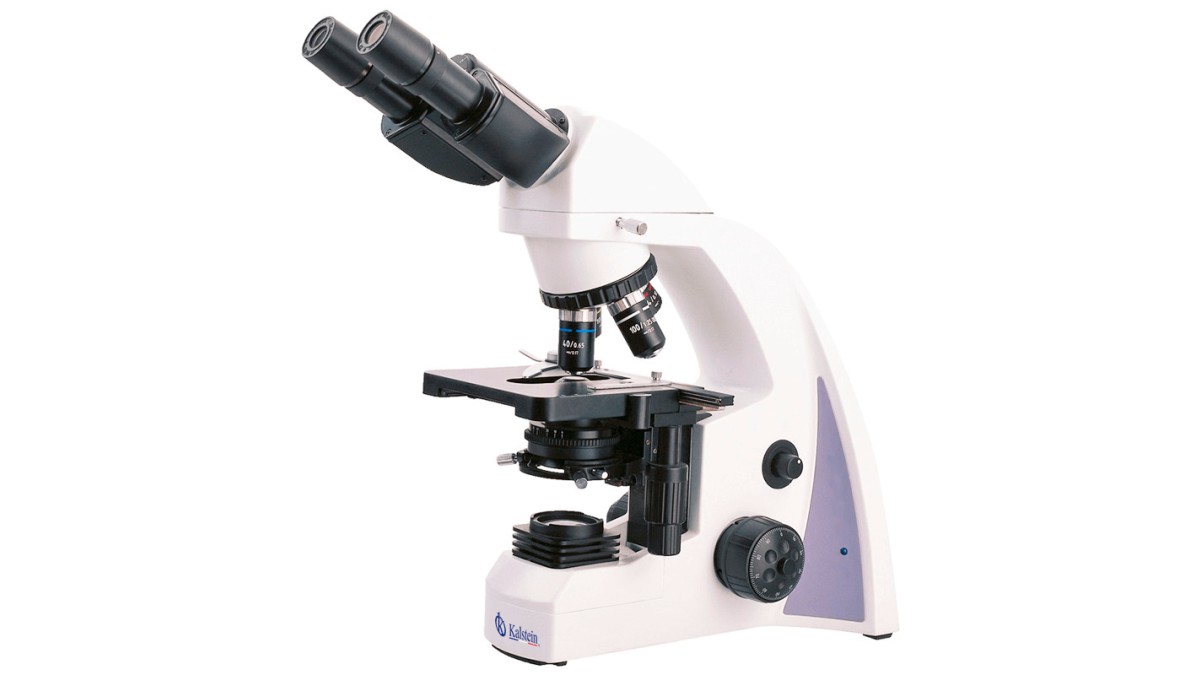
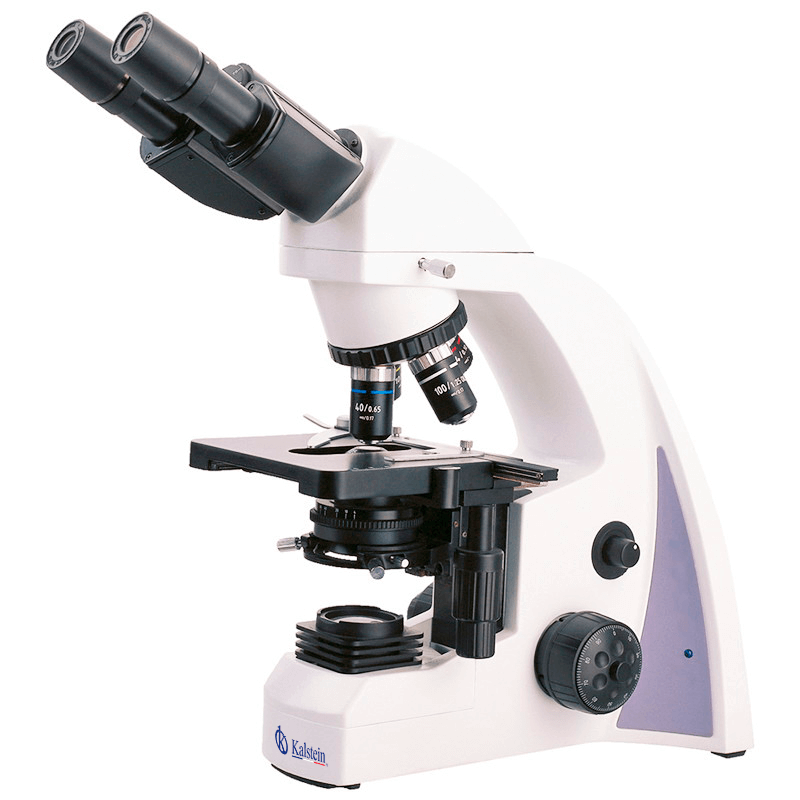
| YR0237-0-1 | Routine microscopy | Binocular head, WF 10x/18 mm eyepieces | Ideal for educational institutions and basic research. |
| YR0237-1 | Advanced microscopy | Trinocular head, infinity semi-plan achromatic objectives | Suitable for detailed scientific research and specialized applications. |
| YR0237-1-1 | Precision microscopy | Double-layer mechanical stage, 140×140 mm | Best for labs requiring high precision in observations. |
| YR03731-1 | Low-volume liquid handling | 10 μl range, ±1.0% accuracy | Perfect for molecular biology applications. |
| YR03731-2 | Versatile liquid handling | 20 μl range, ±1.0% accuracy | Ideal for general lab use where flexibility is needed. |
| YR03731-3 | Standard liquid handling | 25 μl range, ±1.0% accuracy | Great for routine laboratory procedures. |
Common mistakes and how to avoid them
Common mistakes in pipetting include:
- Inconsistent technique: Always maintain the same angle and speed when pipetting.
- Using the wrong pipette tip: Ensure compatibility to prevent leaks and inaccuracies.
- Not calibrating regularly: Regular calibration is critical to maintain accuracy.
Maintenance, calibration and good practices 2026
Maintaining pipettes in optimal condition is vital. Follow these steps:
- Clean pipettes regularly to avoid contamination.
- Calibrate pipettes at least once a year or after significant use.
- Store pipettes upright and in a protective case when not in use.
Cost-benefit analysis 2026
The investment in high-quality pipettes can yield significant returns in terms of accuracy and reliability, impacting the quality of research outcomes. Comparing the costs of manual versus automated pipetting systems can help laboratories determine the most cost-effective solution for their operations.
Frequently asked questions
What are the best pipetting techniques for accuracy?
Utilizing consistent speed and angle during pipetting, using fresh tips for each sample, and pre-wetting tips can improve accuracy.
How often should I calibrate my pipette?
Pipettes should be calibrated at least once a year, or more frequently if used extensively or under variable conditions.
What are common mistakes when using pipettes?
Common mistakes include not using the appropriate pipette tip, inconsistent pipetting speed, and neglecting calibration.
Can I use any tip with my pipette?
No, it's crucial to use tips that are compatible with your specific pipette model to ensure accuracy and prevent damage.
Are there advantages to electronic pipettes over manual ones?
Electronic pipettes often provide greater precision, reduce user fatigue, and can handle multiple channels for increased efficiency.
How can I enhance my pipetting skills?
Practice consistent techniques, attend workshops, and familiarize yourself with your pipette's features to enhance your skills.
Where can I find reliable pipettes for my laboratory?
Consider reputable suppliers that offer a range of reliable models, such as those found in our exclusive catalog.
If you are looking for a fusion of innovation and quality, you have come to the right place. At Kalstein, we offer you the luxury of exploring our exclusive catalog of laboratory equipment. We manufacture every device to the highest standards of excellence. Our intuitive and seamless online purchasing channels are designed for your convenience, securing the most competitive prices. Hesitate no longer — we bring science to life, it is time to become part of our community.