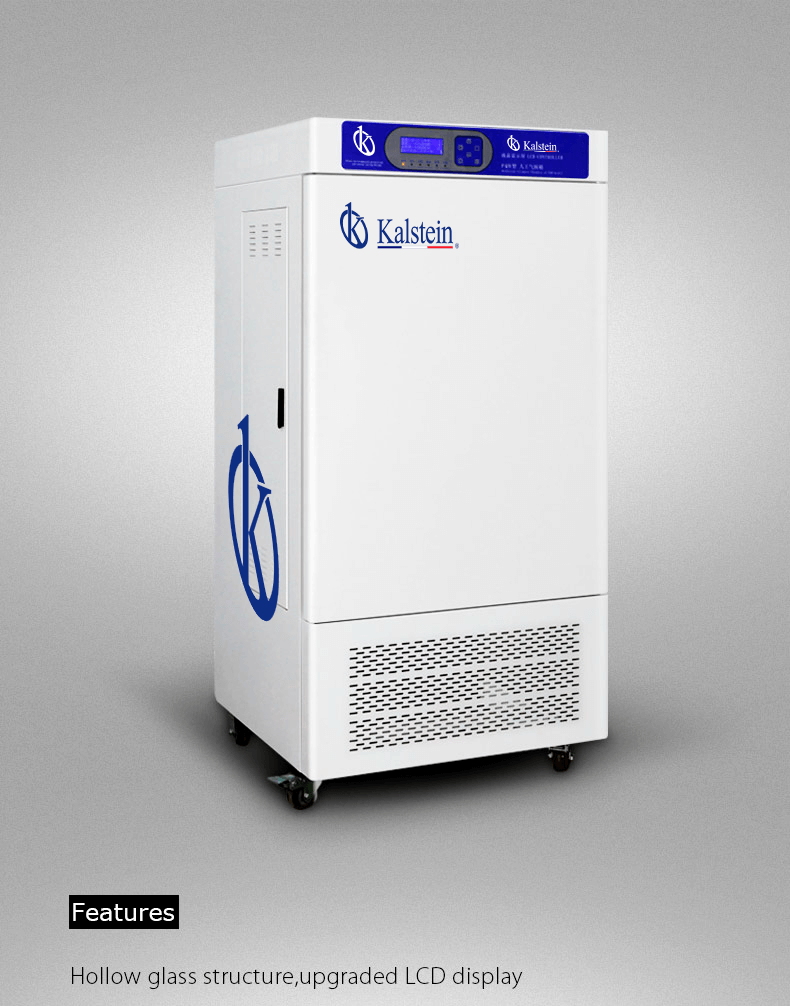
Plant Growth Chambers: Common Errors and How to Avoid Them in Daily Operations 2026
Plant growth chambers are essential tools in modern laboratories, providing controlled environments for various biological and agricultural experiments. In 2026, understanding their applications, techniques, and common operational errors is crucial for laboratory professionals. This guide explores how to utilize these chambers effectively, ensuring optimal results and minimizing mistakes.
What is it used for in 2026
In 2026, plant growth chambers are primarily used for seed germination, plant growth, and various experimental applications in biology and agriculture. These chambers provide precise control over temperature, humidity, light intensity, and nutrient availability, making them ideal for:
- Studying plant responses to environmental changes
- Testing the effects of different light spectra on growth
- Conducting genetic research and breeding programs
- Investigating soil and nutrient interactions
History and evolution of the technology
The development of plant growth chambers has evolved significantly since their inception. Initially designed for simple temperature regulation, modern units now include advanced features such as automated control systems, energy-efficient lighting, and sophisticated monitoring technologies. Over the decades, the integration of microprocessors and sensors has enhanced the precision and reliability of experiments conducted within these chambers.
How to use it step by step
Using a plant growth chamber effectively involves the following steps:
- Preparation: Ensure the chamber is clean and free from contaminants. Set up your materials, including seeds or plants, pots, and any necessary growth mediums.
- Settings Configuration: Configure the temperature, humidity, and light settings according to the specific requirements of your experiment.
- Loading the Chamber: Place your plants or seeds inside the chamber, ensuring adequate spacing for air circulation and light distribution.
- Monitoring: Regularly check the conditions inside the chamber and make necessary adjustments. Use monitoring systems to track growth progress and environmental factors.
- Data Collection: Collect data throughout the experiment, noting any significant observations related to growth patterns or environmental interactions.
Best techniques and protocols
To maximize the effectiveness of plant growth chambers, laboratory professionals should employ best practices such as:
- Implementing a consistent watering schedule to avoid over or under-watering
- Using calibrated sensors for accurate monitoring of environmental parameters
- Regularly cleaning the chamber to prevent contamination
- Documenting all settings and observations meticulously for reproducibility
Practical applications by laboratory type
Different laboratories utilize plant growth chambers for various applications:
Agricultural Research
These chambers are essential for testing crop varieties, studying pest resistance, and optimizing growth conditions.
Biological Studies
Biological laboratories often use growth chambers to explore plant physiology, genetics, and metabolic processes.
Pharmaceutical Research
In pharmaceutical labs, plant growth chambers help in the extraction of plant compounds and studying their effects.
Regulations, standards and certifications
In 2026, laboratories using plant growth chambers must adhere to various regulations and standards, such as:
- ISO 9001 for quality management systems
- Good Laboratory Practice (GLP) guidelines
- Environmental regulations for energy usage and waste management
Comparison with alternative technologies
While plant growth chambers offer precise environmental control, alternatives such as greenhouses and growth tents provide different benefits:
- Greenhouses: Generally larger and provide natural lighting but less control over environmental conditions.
- Growth Tents: Portable and cost-effective but may lack advanced features found in growth chambers.
Comparison of available models
| Model | Best for | Key specs | Recommended use case |
|---|---|---|---|
| YR05331 | Seed germination and temperature-sensitive experiments | Temperature range: 10~50°C; Uniformity: ±1°C; Volume: 150L | Ideal for biology and agricultural research |
| YR05332 | Plant growth under variable light conditions | Temperature range: 10~50°C; Uniformity: ±1.5°C; Volume: 250L | Best for agricultural testing and microbiology |
| YR05333 | Large-scale plant growth and testing | Temperature range: 10~50°C; Uniformity: ±1.5°C; Volume: 350L | Used in extensive botanical studies |
Common mistakes and how to avoid them
Laboratories often encounter several common mistakes when using plant growth chambers:
- Inadequate calibration: Ensure regular calibration of sensors to maintain accurate readings.
- Overloading the chamber: Avoid exceeding the recommended load to ensure proper air circulation.
- Poor documentation: Maintain thorough records of settings and observations for reliable data.
Maintenance, calibration and good practices 2026
Regular maintenance and calibration are essential for the longevity of plant growth chambers:
- Clean the interior and exterior surfaces periodically to prevent contamination.
- Calibrate sensors and controls every six months for optimal performance.
- Inspect and replace lighting as needed to ensure consistent light quality.
Cost-benefit analysis 2026
Investing in a plant growth chamber can yield significant benefits:
- Enhanced research quality and reliability leads to better outcomes.
- Time efficiency due to automated monitoring and control saves labor costs.
- Long-term savings on energy usage with energy-efficient models.
Frequently asked questions
What factors should I consider when choosing a plant growth chamber?
When selecting a plant growth chamber, consider factors such as size, temperature range, lighting options, and energy efficiency. Matching the chamber's specifications to your research needs is crucial for optimal results.
How can I ensure consistent temperature and humidity levels?
Regularly monitor and calibrate the chamber's sensors and controls. Use high-quality equipment to maintain precise environmental conditions.
Can I use the chamber for multiple plant species?
Yes, but ensure you adjust the environmental settings according to the specific needs of each species to avoid stress or suboptimal growth.
What are the best practices for loading plants into the chamber?
Space plants adequately to allow for air circulation and consistent light exposure. Avoid overcrowding to prevent disease spread and ensure uniform growth.
How often should I clean the chamber?
It is recommended to clean the chamber at least once a month or more frequently depending on the type of experiments being conducted to prevent contamination.
Are there any specific certifications required for using these chambers?
Yes, following ISO 9001 and GLP guidelines is crucial for maintaining quality and compliance in laboratory environments.
If you are looking for a fusion of innovation and quality, you have come to the right place. At Kalstein, we offer you the luxury of exploring our exclusive catalog of laboratory equipment. We manufacture every device to the highest standards of excellence. Our intuitive and seamless online purchasing channels are designed for your convenience, securing the most competitive prices. Hesitate no longer — we bring science to life, it is time to become part of our community.