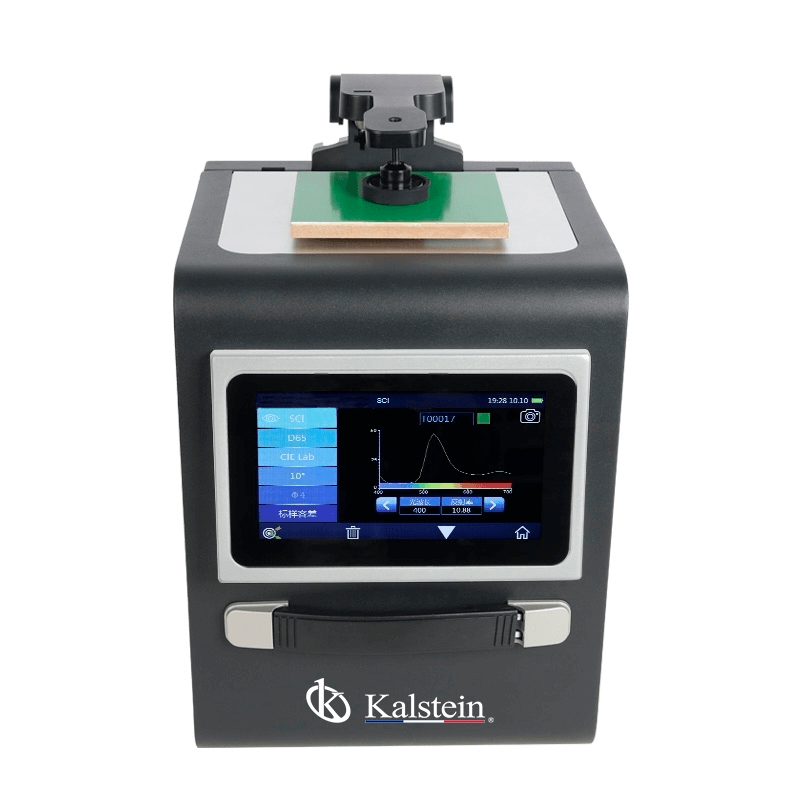
Portable Benchtop Spectrophotometers: Common Mistakes and How to Avoid Them in Daily Operation 2026
What is it used for in 2026
In the year 2026, Portable Benchtop Spectrophotometers serve a multitude of purposes across various laboratories. Primarily, these devices are utilized for precise color measurement and quality control in industries such as plastics, paints, textiles, ceramics, and food. They help in ensuring that the right color specifications are met, which is crucial for product consistency and quality assurance. Their portability enables easy transportation between different workstations, making them ideal for both lab and field applications. Furthermore, these spectrophotometers provide quick analysis and reliable data, allowing for timely adjustments in production processes.
History and evolution of the technology
The evolution of spectrophotometry dates back to the early 19th century when color measurement was primarily qualitative. Over the years, advancements in optical technology, including the development of optical sensors and digital data processing, have transformed these devices into precise analytical tools. By the late 20th century, the introduction of portable models allowed for on-site color measurement, making laboratory practices more efficient and flexible. The transition from analog to digital systems further enhanced the accuracy, speed, and usability of spectrophotometers, leading to the advanced Portable Benchtop Spectrophotometers we utilize today.
How to use it step by step
- Preparation: Ensure the spectrophotometer is calibrated and clean. Prepare your sample and reference material.
- Power On: Turn on the device and allow it to warm up as per manufacturer instructions.
- Set Parameters: Input the necessary parameters such as wavelength range and measurement mode (e.g., reflectance or transmittance).
- Measure the Reference: Place the reference material in the sample holder and record its readings.
- Measure Your Sample: Remove the reference and place your sample in the same holder. Record the measurements.
- Data Analysis: Analyze the data using integrated software, if available, or manually compare with reference values.
- Documentation: Document the results for future reference and quality control.
Best techniques and protocols
When working with Portable Benchtop Spectrophotometers, following established techniques and protocols is essential for accurate results. Always use a consistent sample preparation method to avoid discrepancies. Ensure the optical path is clean, and utilize high-quality reference materials. Regularly calibrate the device using standard color samples to maintain accuracy. It is also recommended to take multiple readings of the same sample to account for any variability. Lastly, familiarize yourself with the software for data management, ensuring efficient data analysis and reporting.
Practical applications by laboratory type
Color Testing Laboratories
In color testing labs, spectrophotometers are employed to match colors between products and standards. They also assist in formulating new colors by providing precise color metrics.
Textile Industry
For textiles, these devices ensure that dyes are consistent across batches and help in identifying discrepancies during production processes.
Food Production
In the food industry, spectrophotometers are utilized to assess the color of products, which can influence consumer perception and quality control.
Paint and Coating Industry
Paint manufacturers use these instruments to check the color accuracy of their products, ensuring compliance with customer specifications.
Regulations, standards and certifications
Portable Benchtop Spectrophotometers must comply with various international standards such as ISO 7724-1, ASTM E1164, and CIE specifications. These standards ensure that color measurement practices are reliable and that results can be reproduced across different environments. Certification from recognized bodies is crucial for laboratories to demonstrate adherence to quality management systems.
Comparison with alternative technologies
When comparing Portable Benchtop Spectrophotometers with alternative color measurement technologies, such as colorimeters, the former provides a broader wavelength range and more accurate results, especially for complex samples. While colorimeters are simpler and less expensive, they lack the versatility and precision of spectrophotometers. In contrast, portable spectrophotometers offer the advantage of mobility without compromising on performance, making them the preferred choice for many laboratories.
Comparison of available models
| Model | Best for | Key specs | Recommended use case |
|---|---|---|---|
| YR05484 | Precise color analysis in plastics and textiles | Price: $4730.00; Geometry: 45/0 | Quality control in manufacturing processes |
| YR05485 | Large sample measurements in various industries | Price: $4950.00; Geometry: D/8 | Laboratory color analysis |
| YR05486 | Versatile color checks in different orientations | Price: $4640.00; Geometry: D/8 | Precise color control in textiles |
| YR05487 | Adaptable color measurement in production | Price: $4018.00; Geometry: D/8 | Quality assurance in ceramics and coatings |
Common mistakes and how to avoid them
Common mistakes in the operation of Portable Benchtop Spectrophotometers include:
- Neglecting Calibration: Regular calibration is essential. Failing to recalibrate can lead to inaccurate readings. Schedule routine checks to maintain accuracy.
- Inconsistent Sample Preparation: Always prepare samples using the same method to ensure reliability. Document your procedures.
- Ignoring Environmental Factors: Temperature and light can affect measurements. Conduct tests in controlled conditions.
- Using Poor Quality Reference Materials: Only use certified reference standards for accurate calibration.
- Failure to Document Results: Always keep a record of measurements for validation and traceability.
Maintenance, calibration and good practices 2026
Proper maintenance of Portable Benchtop Spectrophotometers involves regular cleaning of optical components, calibration with certified standards, and software updates. Adopting good practices includes using gloves when handling samples, storing the device in a safe environment, and training users on proper handling techniques to prevent damage. Document maintenance activities to ensure compliance with laboratory protocols.
Cost-benefit analysis 2026
In 2026, the cost-benefit analysis of investing in Portable Benchtop Spectrophotometers includes considering initial purchase costs against the long-term benefits of accurate color measurement. The precision and efficiency gained can lead to cost savings in production by reducing waste and improving product quality. Additionally, the increased speed of results can enhance overall laboratory productivity, making the investment worthwhile for many laboratories.
Frequently asked questions
How do I choose the right Portable Benchtop Spectrophotometer for my lab?
When selecting a Portable Benchtop Spectrophotometer, consider the specific applications you will use it for, the required measurement range, and whether you need additional features like software integration for data analysis. Evaluate your budget and the expected return on investment to make a well-informed decision.
What is the importance of calibration in spectrophotometry?
Calibration ensures that the measurements obtained from the spectrophotometer are accurate and reliable. It aligns the device's output with known standards, allowing for consistency across measurements and enhancing the credibility of results.
How often should I calibrate my spectrophotometer?
Calibration frequency depends on usage and manufacturer recommendations. Generally, it is advisable to calibrate before significant measurement sessions or at regular intervals, such as monthly or quarterly, to maintain accuracy.
Can I use the spectrophotometer for different types of samples?
Yes, Portable Benchtop Spectrophotometers are versatile and can measure various sample types, including solids, liquids, and coatings. However, ensure that the sample preparation is appropriate for each type to avoid measurement errors.
What are the best practices for sample preparation?
Best practices include ensuring that samples are clean, free of air bubbles, and uniformly prepared. For liquids, use cuvettes that are compatible with the spectrophotometer, and for solids, ensure they are flat and have minimal surface variations.
How do I handle and maintain my Portable Benchtop Spectrophotometer?
Handle your device with care, avoid exposing it to extreme temperatures or humidity, and clean optical components regularly. Follow the manufacturer's instructions for storage and maintenance to prolong the device's lifespan.
Where can I request a quote for purchasing a spectrophotometer?
You can request a quote on Kalstein Plus, where you can explore various options and get tailored solutions for your laboratory needs.
If you are looking for a fusion of innovation and quality, you have come to the right place. At Kalstein, we offer you the luxury of exploring our exclusive catalog of laboratory equipment. We manufacture every device to the highest standards of excellence. Our intuitive and seamless online purchasing channels are designed for your convenience, securing the most competitive prices. Hesitate no longer — we bring science to life, it is time to become part of our community.