Portable Conductivity Meters: Common Mistakes and How to Avoid Them in Daily Operation 2026
What is it used for in 2026
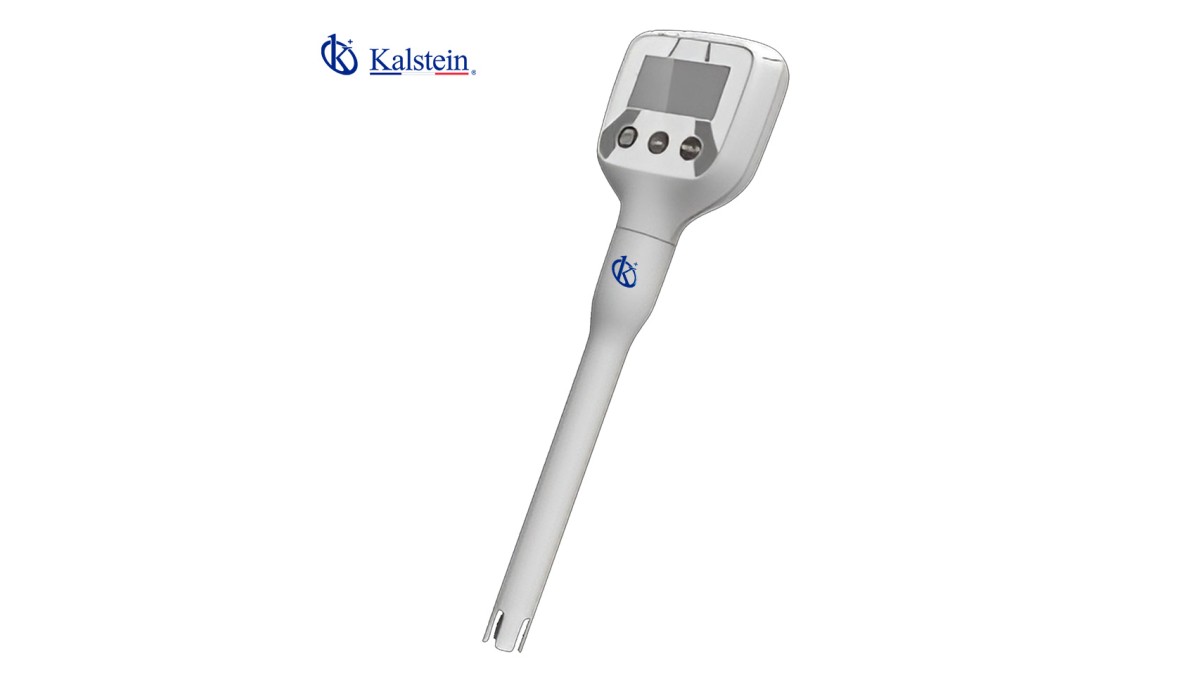
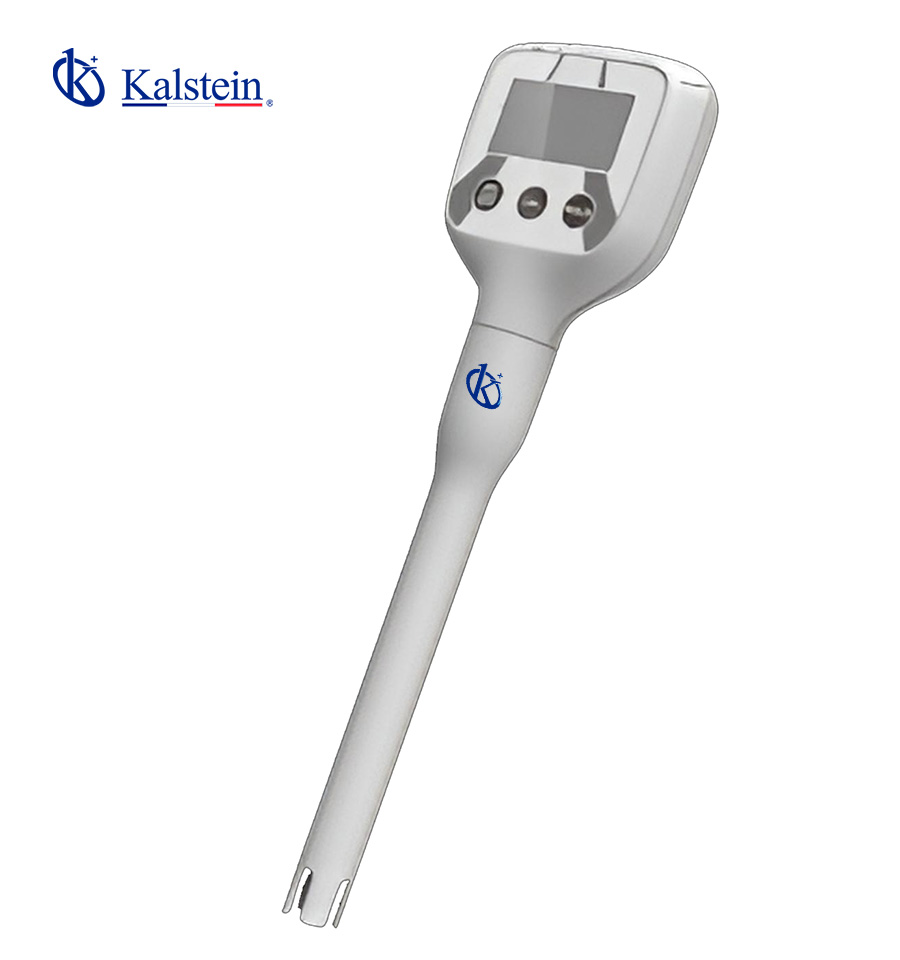
Portable conductivity meters are essential tools in various laboratory settings for measuring the electrical conductivity of solutions. In 2026, these devices are primarily used in environmental testing, water quality analysis, and educational laboratories. They help in determining the concentration of ions in a solution, which is vital for understanding the quality of water and other liquids used in industrial processes.
History and evolution of the technology
The technology behind conductivity meters has evolved significantly over the past few decades. Early models were bulky and required manual calibration. However, advancements in microprocessor technology have led to the development of compact, user-friendly devices capable of automatic calibration and temperature compensation. As of 2026, portable conductivity meters are equipped with features such as data logging, multi-point calibration, and LCD displays for ease of use.
How to use it step by step
Using a portable conductivity meter typically involves the following steps:
- Calibration: Start by calibrating the meter using known standard solutions. Most devices allow one to three-point calibrations to ensure accuracy.
- Preparation: Rinse the electrode with distilled water to avoid contamination between samples.
- Measurement: Immerse the electrode in the sample solution, ensuring it is adequately submerged.
- Reading: Wait for the reading to stabilize and record the measurement displayed on the LCD screen.
- Cleaning: After use, clean the electrode according to the manufacturer's instructions to prolong its lifespan.
Best techniques and protocols
To achieve accurate results when using portable conductivity meters, follow these best practices:
- Always use freshly prepared calibration solutions for optimal accuracy.
- Ensure that the electrode is clean and free of residues before measurements.
- Regularly check and replace the electrode as per the manufacturer's guidelines.
- Store the meter in a protective case to prevent any damage when not in use.
Practical applications by laboratory type
Different laboratory types utilize portable conductivity meters for various applications:
- Environmental Laboratories: Testing water bodies for pollution levels and overall water quality.
- Industrial Laboratories: Monitoring process water and ensuring compliance with purity standards.
- Educational Institutions: Teaching students about conductivity and its implications in real-world applications.
Regulations, standards and certifications
In the context of laboratory practices, portable conductivity meters must comply with various international standards, such as ISO 17025 for testing and calibration laboratories. Regular calibration and maintenance are required to ensure that measurements remain within acceptable limits, aligning with certifications from governing bodies.
Comparison with alternative technologies
When compared to alternative technologies such as fixed conductivity sensors or laboratory-grade benchtop meters, portable conductivity meters offer significant advantages in terms of mobility and ease of use. However, they may sacrifice some level of precision found in more sophisticated laboratory instruments. It is essential to choose the right tool based on the specific application and required accuracy.
Comparison of available models
| Model | Best for | Key specs | Recommended use case |
|---|---|---|---|
| YR01805 | General field use | 0~10 mS/cm, ±3%FS precision | Quick checks in various environmental samples. |
| YR01806 | Advanced laboratory analysis | Wide pH and conductivity range, auto-calibration | Complex water quality assessments. |
| YR01808 | Multi-range testing | 0 to 20.00 mS/cm, 1% F.S. accuracy | Varied water samples requiring multi-point calibration. |
| YR01809 | Multi-parameter measurements | 0 to 20.00 mS/cm, TDS readings | Testing diverse samples in one setup. |
| YR01810 | Combined salinity and TDS testing | 0 to 20.00 mS/cm, multiple calibration points | Salinity testing in aquaculture. |
| YR01811 | Low concentration liquids | 0.5 to 100.0 ppm, single-point calibration | Low-level TDS measurements. |
Common mistakes and how to avoid them
Many users encounter problems when using portable conductivity meters. Here are some common mistakes and how to avoid them:
- Neglecting Calibration: Always calibrate before use to ensure accuracy.
- Improper Cleaning: Clean the electrodes thoroughly to avoid cross-contamination between samples.
- Ignoring Temperature Effects: Ensure temperature compensation is activated to account for environmental changes.
- Storing Incorrectly: Store the device in a suitable environment to prevent moisture damage.
Maintenance, calibration and good practices 2026
Regular maintenance of portable conductivity meters is crucial for longevity and reliability:
- Perform regular calibrations according to the manufacturer's recommendations.
- Inspect the electrode for signs of wear and replace when necessary.
- Store in a controlled environment to protect against dust and moisture.
Cost-benefit analysis 2026
Investing in a portable conductivity meter can be cost-effective for laboratories that require mobility and flexibility. While initial costs may vary, the benefits of accurate measurements, ease of use, and portability often outweigh these costs. Regular maintenance further reduces long-term expenses, making these devices a valuable asset for any lab.
Frequently asked questions
What should I consider when choosing a portable conductivity meter?
When selecting a portable conductivity meter, consider factors such as measurement range, accuracy, calibration options, and additional features like data logging or multi-parameter measurements.
How often should I calibrate my portable conductivity meter?
It's recommended to calibrate your meter before each use or at least once a day if used frequently, especially for critical measurements.
Can I use the meter for different types of samples?
Yes, portable conductivity meters can be used for various samples, but ensure that the electrode is cleaned thoroughly between different sample types to prevent cross-contamination.
What are the signs that my conductivity meter needs maintenance?
Signs include inconsistent readings, failure to calibrate correctly, or visible damage to the electrode. Regular checks can help identify these issues early.
How do I properly store my portable conductivity meter?
Store the meter in a protective case, away from direct sunlight and moisture, to prolong its lifespan and maintain calibration integrity.
Is it necessary to use standard solutions for calibration?
Yes, using standard solutions for calibration ensures the accuracy of your measurements and aligns the device with recognized conductivity values.
What is the importance of temperature compensation in conductivity measurements?
Temperature compensation is crucial as conductivity can vary significantly with temperature, affecting measurement accuracy. Devices with built-in compensation adjust readings accordingly.
If you are looking for a fusion of innovation and quality, you have come to the right place. At Kalstein, we offer you the luxury of exploring our exclusive catalog of laboratory equipment. We manufacture every device to the highest standards of excellence. Our intuitive and seamless online purchasing channels are designed for your convenience, securing the most competitive prices. Hesitate no longer — we bring science to life, it is time to become part of our community.