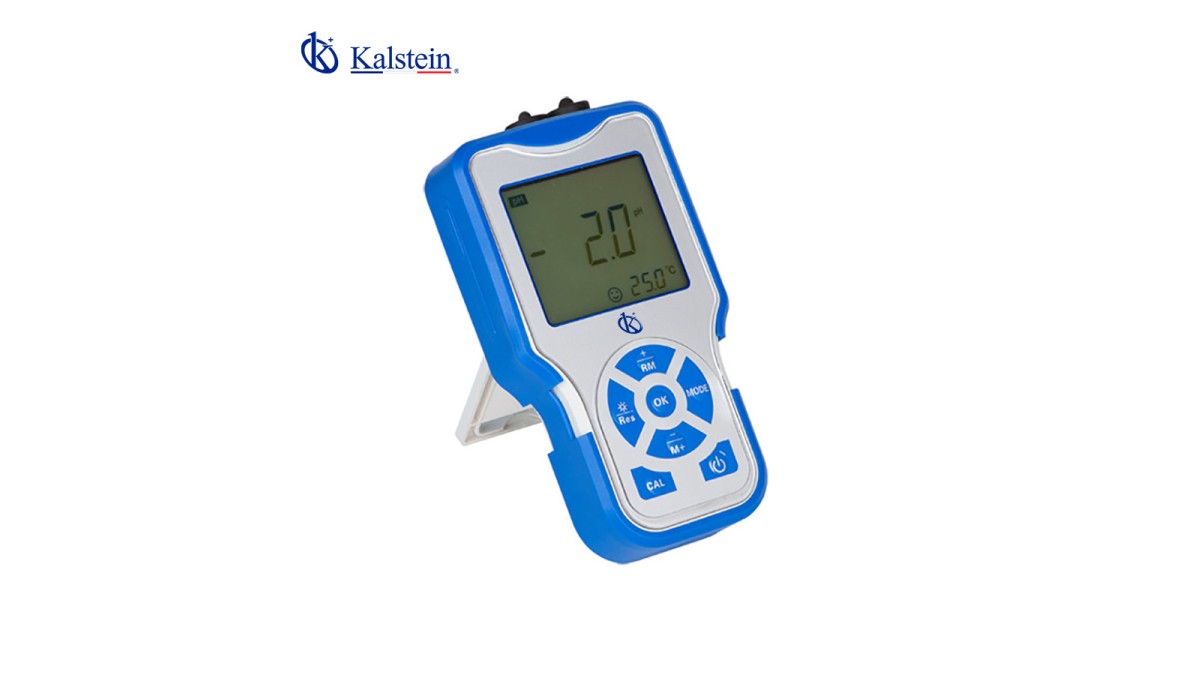
Portable Ion Meters: Practical Applications and Techniques 2026
What is it used for in 2026
Portable Ion Meters are essential tools in laboratories and fieldwork for measuring ion concentrations, including pH levels, ammonium ions, and other specific ions in various solutions. These meters are commonly used in environmental monitoring, water quality testing, and clinical diagnostics. The demand for precise and portable solutions in laboratories has led to the adoption of such equipment in multiple sectors, ensuring that professionals can conduct accurate measurements in diverse environments.
History and evolution of the technology
The evolution of Portable Ion Meters began in the late 20th century as laboratory professionals sought more efficient methods for measuring ion concentrations. Early models were bulky and limited in functionality. Over the years, advancements in technology have led to the development of more compact, user-friendly, and versatile meters. Modern Portable Ion Meters, such as the YR01816, YR01817-1, and others, feature enhanced calibration capabilities, improved accuracy, and a variety of measurement modes, making them indispensable tools in today's laboratories.
How to use it step by step
Using a Portable Ion Meter involves several straightforward steps:
- Calibration: Before use, calibrate the meter according to the manufacturer's instructions. This typically involves using standard solutions to ensure accuracy.
- Sample Preparation: Prepare the sample by ensuring it is homogeneous and free of contaminants that may interfere with readings.
- Measurement: Immerse the electrode into the sample solution and allow the meter to stabilize. Record the reading once it is stable.
- Cleaning: After measurements, rinse the electrode with distilled water to prevent cross-contamination.
- Documentation: Document the results and any relevant observations for future reference.
Best techniques and protocols
For optimal results when using Portable Ion Meters, consider the following techniques and protocols:
- Use appropriate calibration standards: Always calibrate with standards that closely match the expected concentration range of your samples.
- Temperature compensation: Be aware of temperature fluctuations that can affect measurements and use meters equipped with automatic temperature compensation.
- Regular maintenance: Clean and maintain electrodes according to the manufacturer's recommendations to prolong their lifespan and ensure reliable results.
- Follow manufacturer guidelines: Each meter may have specific protocols for operation that should be followed for accurate results.
Practical applications by laboratory type
Portable Ion Meters find applications across various laboratory types:
- Environmental Labs: Used for measuring nutrient levels in water bodies and soil samples.
- Clinical Labs: Essential for assessing ion concentrations in biological fluids, contributing to health diagnostics.
- Quality Control Labs: Used in industries to monitor product quality by ensuring ion concentration standards are met.
Regulations, standards and certifications
Laboratory professionals must adhere to specific regulations and standards when using Portable Ion Meters. These include:
- ISO Standards: International Organization for Standardization guidelines ensure accuracy and reliability in measurement practices.
- EPA Protocols: Environmental Protection Agency standards for measuring water quality to protect public health.
- Good Laboratory Practice (GLP): Ensures that laboratory results are credible and reproducible.
Comparison with alternative technologies
When comparing Portable Ion Meters to alternative technologies, such as traditional laboratory ion analysis methods, several factors stand out:
- Portability: Portable Ion Meters offer the flexibility of on-site measurements, unlike traditional methods which often require laboratory settings.
- Cost-effectiveness: Portable meters are generally more cost-effective for routine measurements than setting up a full laboratory.
- User-friendly: Modern Portable Ion Meters are designed for ease of use, making them accessible to users with varying levels of expertise.
Comparison of available models
| Model | Best for | Key specs | Recommended use case |
|---|---|---|---|
| YR01816 | Measuring pH, MV, and ion concentration | Accuracy: ±0.002 pH, Range: -2.000 to 20.000 pH | Laboratories requiring multi-ion analysis |
| YR01817-1 | Ammonium ion measurement | Accuracy: ±0.5% FS, Range: 5 × 10⁻⁶ to 1 M | Environmental testing and water quality analysis |
| YR01817-10 | Advanced ammonium ion measurement | Accuracy: ±0.5% FS, Multiple calibration points | Field studies and comprehensive analysis |
| YR01817-11 | Ammonium ion applications | Precision: ±0.5% FS, LCD backlit display | Outdoor testing and high-precision environments |
| YR01817-12 | Field applications for ammonium | 2 to 5 points calibration, versatile measurement | Dynamic field studies and real-time data collection |
| YR01817-13 | Specialized ammonium measurements | Wide range of concentration measurement | In-depth research and specialized applications |
Common mistakes and how to avoid them
Common mistakes in using Portable Ion Meters and how to avoid them include:
- Inadequate calibration: Always ensure proper calibration before use to avoid inaccurate readings.
- Neglecting maintenance: Regularly clean and maintain the electrodes to prevent contamination.
- Poor sample handling: Prepare samples carefully to ensure they are representative and free from interfering substances.
Maintenance, calibration and good practices 2026
To maintain Portable Ion Meters effectively in 2026, consider the following practices:
- Regular Calibration: Calibrate using fresh standards to ensure measurement accuracy.
- Monitor electrode condition: Replace electrodes as needed and keep them clean.
- Store appropriately: Store meters in a way that protects them from physical damage and exposure to extreme temperatures.
Cost-benefit analysis 2026
When evaluating the cost-benefit of Portable Ion Meters in 2026, consider:
- Initial Investment: Although there is an upfront cost for purchasing the meters, the savings in time and laboratory resources can be significant.
- Operational Efficiency: The ability to perform on-site measurements reduces the need for transporting samples, speeding up the analysis process.
- Long-term Use: Durable and reliable, these meters offer longevity that justifies the initial purchase cost.
Frequently asked questions
What types of samples can I measure with Portable Ion Meters?
Portable Ion Meters can measure a variety of samples including water, soil, and biological fluids, making them versatile for different laboratory applications.
How often should I calibrate my Portable Ion Meter?
It is recommended to calibrate your Portable Ion Meter before each use or at least once daily, depending on usage frequency and conditions.
Can I use Portable Ion Meters in outdoor settings?
Yes, many Portable Ion Meters are designed for outdoor use and can operate effectively in field conditions, making them ideal for environmental testing.
What are the key indicators of a faulty meter?
Signs of a faulty meter include inconsistent readings, failure to calibrate properly, and a damaged electrode. Regular maintenance can help mitigate these issues.
Are there specific storage conditions for Portable Ion Meters?
Portable Ion Meters should be stored in a cool, dry place, and electrodes should be kept in a storage solution recommended by the manufacturer.
What is the difference between different models of Portable Ion Meters?
Different models vary in terms of their measurement capabilities, calibration options, and specific applications (e.g., some are better for pH measurements, while others excel in ammonium ion analysis).
How do I ensure accurate readings with my Portable Ion Meter?
Ensure accurate readings by calibrating frequently, using clean samples, maintaining the meter properly, and following the manufacturer's guidelines for operation.
If you are looking for a fusion of innovation and quality, you have come to the right place. At Kalstein, we offer you the luxury of exploring our exclusive catalog of laboratory equipment. We manufacture every device to the highest standards of excellence. Our intuitive and seamless online purchasing channels are designed for your convenience, securing the most competitive prices. Hesitate no longer — we bring science to life, it is time to become part of our community.