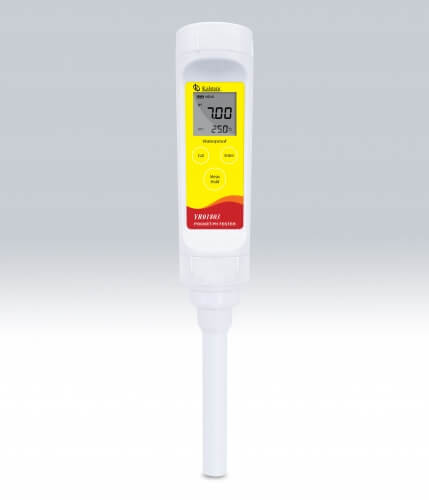
Portable pH Meters: Practical Applications and Techniques 2026
What is it used for in 2026
In 2026, portable pH meters are essential tools in various laboratory settings, including clinical, environmental, and educational laboratories. Their primary function is to measure the acidity or alkalinity of a solution, which is crucial in numerous applications such as water quality monitoring, soil testing, food and beverage analysis, and healthcare diagnostics. Laboratory professionals utilize these meters to ensure that samples meet specific pH criteria, thereby influencing the accuracy of experiments and tests.
History and evolution of the technology
The development of pH measurement technology has seen significant advancements since the first glass electrode was invented in the 1930s. Early pH meters were bulky and primarily used in laboratory environments, limiting their accessibility. However, the introduction of compact and portable pH meters has revolutionized how professionals conduct pH measurements in the field. Modern portable pH meters, like the ones available today, offer enhanced accuracy, automatic calibration, and user-friendly interfaces, making them indispensable in various applications.
How to use it step by step
- Choose the right meter: Select a portable pH meter that suits your specific application needs.
- Calibration: Calibrate the meter using standard buffer solutions (pH 4.01, 7.00, 10.01) to ensure accuracy.
- Sample preparation: Prepare the sample by ensuring it is at the correct temperature and free from contaminants.
- Measurement: Immerse the electrode in the sample solution, allowing it to stabilize before taking a reading.
- Record the data: Document the pH reading and any relevant observations for future reference.
- Clean the electrode: Rinse the electrode with distilled water after use to prevent contamination.
- Store properly: Store the meter according to manufacturer guidelines, ensuring the electrode is kept moist.
Best techniques and protocols
For effective pH measurement, follow these best practices and techniques:
- Use fresh buffer solutions for calibration to maintain accuracy.
- Allow the pH meter to equilibrate before taking measurements.
- Avoid touching the electrode tip to prevent contamination.
- Regularly check the meter's calibration against standard solutions.
- Document environmental conditions (temperature, pressure) that might affect readings.
Practical applications by laboratory type
Portable pH meters are utilized across various laboratory types:
- Clinical Laboratories: For testing blood and urine samples, monitoring patient health.
- Environmental Laboratories: For assessing water quality in natural and treated water sources.
- Food and Beverage Industry: To ensure products meet safety and quality standards.
- Agricultural Laboratories: For soil testing to optimize crop production.
Regulations, standards and certifications
In many industries, adherence to regulations and standards is crucial. Portable pH meters should comply with relevant standards to ensure accuracy and reliability. For instance, ISO 17025 outlines the general requirements for the competence of testing and calibration laboratories. Additionally, certifications such as CE markings in the European Union ensure that the equipment meets safety and health requirements.
Comparison with alternative technologies
While portable pH meters are widely used, alternative technologies exist for measuring pH, such as:
- Colorimetric pH testing: Uses color change in indicators, less precise, and more subjective.
- Litmus paper: Quick and easy but provides only an approximate pH value.
- pH probes in benchtop meters: Typically more accurate but not portable.
Comparison of available models
| Model | Best for | Key specs | Recommended use case |
|---|---|---|---|
| YR01803 | High precision measurements | Accuracy: ± 0.01 pH, Calibration: 1-3 points, Price: $77.00 | Testing small volume samples in clinical settings |
| YR01804 | Outdoor applications | Accuracy: ± 0.01 pH, Manual temperature compensation, Price: $75.00 | Field testing of water samples |
| YR01800 | Portability | Accuracy: ± 0.2 pH, Price: $18.00 | Quick tests in various environments |
| YR01800-1 | On-the-go convenience | Accuracy: ± 0.05 pH, Price: $24.00 | Mobile testing applications |
| YR01802 | Measuring semi-solid samples | Accuracy: ± 0.01 pH, Price: $94.00 | Testing pH in food products |
| YR01802-1 | Advanced semi-solid analysis | Accuracy: ± 0.01 pH, Price: $72.00 | Detailed pH analysis in laboratory research |
Common mistakes and how to avoid them
When using portable pH meters, several common mistakes can occur:
- Inadequate calibration: Always calibrate with fresh buffers before use.
- Ignoring temperature compensation: Ensure the temperature settings match the sample conditions.
- Neglecting maintenance: Regularly clean and store the electrode properly to extend its life.
- Not recording data: Keep a log of measurements for accurate tracking and trend analysis.
Maintenance, calibration and good practices 2026
For optimal performance of portable pH meters, follow these maintenance and calibration practices:
- Calibrate at least once a day or before critical measurements.
- Use proper storage solutions for electrodes to keep them hydrated.
- Perform regular checks on battery life and replace batteries as necessary.
- Conduct routine cleaning of the electrode to prevent buildup of residues.
Cost-benefit analysis 2026
Investing in portable pH meters can offer significant benefits for laboratories:
- Cost-effective compared to benchtop alternatives.
- Increased efficiency due to mobility and ease of use.
- Long-term savings through reduced need for calibration and maintenance.
- Improved accuracy in measurements leading to higher reliability of results.
Frequently asked questions
What factors should I consider when choosing a portable pH meter?
When selecting a portable pH meter, consider the measurement range, accuracy, calibration capabilities, and specific applications you need it for. Ensure it meets the environmental conditions of your laboratory and has a suitable electrode for your samples.
How often should I calibrate my portable pH meter?
You should calibrate your portable pH meter at least once daily or before each critical measurement to ensure accurate readings. Calibration should also be performed if the meter has not been used for an extended period.
Can portable pH meters measure temperature?
Many portable pH meters have built-in temperature compensation features. They can measure temperature directly or require manual input of the temperature for accurate pH readings. Check the specifications of the model you are using.
What is the best way to clean the pH electrode?
To clean the pH electrode, rinse it gently with distilled water and use a soft brush to remove any residues. Avoid using harsh chemicals or abrasive materials. Refer to the manufacturer’s instructions for specific cleaning recommendations.
How do I store my portable pH meter after use?
Store your portable pH meter in a protective case and ensure that the electrode is kept moist. Use storage solutions recommended by the manufacturer to prevent the electrode from drying out, which can lead to inaccurate readings.
What should I do if my pH meter gives inconsistent readings?
If you encounter inconsistent readings, check the calibration status, clean the electrode, and ensure that the meter is functioning correctly. If issues persist, consult the manufacturer for troubleshooting assistance.
If you are looking for a fusion of innovation and quality, you have come to the right place. At Kalstein, we offer you the luxury of exploring our exclusive catalog of laboratory equipment. We manufacture every device to the highest standards of excellence. Our intuitive and seamless online purchasing channels are designed for your convenience, securing the most competitive prices. Hesitate no longer — we bring science to life, it is time to become part of our community.