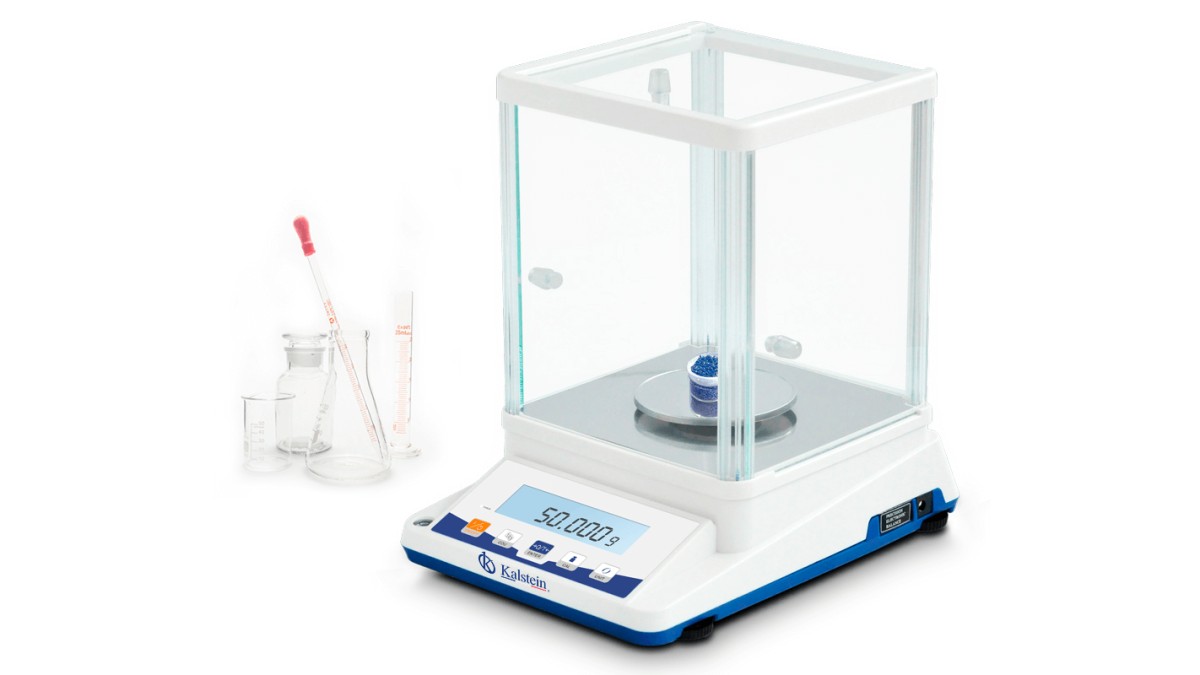
Precision Balance: Best Techniques and Protocols 2026
What is it used for in 2026
In 2026, precision balances are critical for accurate measurements in various laboratory settings, including pharmaceuticals, food quality control, and research institutions. These balances ensure that laboratory professionals can obtain precise weights necessary for experiments, formulation, and quality assurance processes.
History and evolution of the technology
The evolution of precision balances began centuries ago with mechanical balances that utilized beams and weights. The transition to electronic precision balances has revolutionized weighing in laboratories, allowing for faster and more accurate measurements. Today's models incorporate advanced technology such as digital displays, automatic calibration, and connectivity features, providing users with enhanced functionality and user experience.
How to use it step by step
Using a precision balance involves several systematic steps:
- Preparation: Ensure the balance is on a stable surface, away from drafts and vibrations.
- Calibration: Calibrate the balance according to the manufacturer's instructions before each major use.
- Zeroing: Tare the balance to zero before placing any sample on the weighing pan.
- Weighing: Place the sample on the pan carefully, and allow the reading to stabilize.
- Recording: Document the weight displayed on the screen for your records.
- Cleaning: After use, clean the balance and the weighing pan to maintain accuracy.
Best techniques and protocols
Adopting best practices enhances the accuracy and reliability of weighing. Key techniques include:
- Use of draft shields to minimize airflow disturbance during weighing.
- Ensuring samples are at room temperature to prevent thermal expansion effects.
- Regular maintenance and calibration checks to ensure the balance is functioning optimally.
- Using appropriate containers to avoid contamination and ensure the integrity of measurements.
Practical applications by laboratory type
Precision balances are utilized across various laboratories, including:
- Pharmaceutical Labs: For precise formulation of compounds and dosage accuracy.
- Food Labs: To ensure compliance with quality standards and ingredient accuracy.
- Research Labs: For accurate measurements in experimental setups and data collection.
- Educational Institutions: To teach students about principles of measurement and data collection.
Regulations, standards and certifications
Laboratories utilizing precision balances must adhere to various regulations and standards, including ISO 9001 for quality management and ISO/IEC 17025 for testing and calibration laboratories. Compliance ensures that the equipment meets international standards for accuracy and reliability.
Comparison with alternative technologies
While precision balances are widely used, alternatives such as analytical balances offer higher precision for smaller samples. However, they may not be necessary for all applications. Understanding the specific needs of your laboratory is crucial when choosing between these technologies.
Comparison of available models
| Model | Best for | Key specs | Recommended use case |
|---|---|---|---|
| YR05584 | General lab use | Capacity: 110g, Readability: 0.001g | Ideal for routine weighing tasks and sample preparation. |
| YR05585 | Medium capacity weighing | Capacity: 210g, Readability: 0.001g | Best for applications requiring moderate precision and capacity. |
| YR05586 | High precision weighing | Capacity: 310g, Readability: 0.001g | Recommended for high-accuracy requirements in research. |
| YR05587 | Varied applications | Capacity: 110g/610g, Readability: 0.01g | Versatile option for different weighing needs. |
| YR05588 | General weighing | Capacity: 210g, Readability: 0.01g | Perfect for basic laboratory measurements. |
| YR05589 | Food quality control | Capacity: 310g, Readability: 0.01g | Ideal for weighing ingredients in food labs. |
Common mistakes and how to avoid them
Common mistakes when using precision balances include:
- Not calibrating regularly, leading to inaccurate measurements.
- Ignoring environmental factors such as drafts and vibrations.
- Failing to use tare functions, resulting in additional weight from containers.
- Not allowing the balance to stabilize before recording results.
Maintenance, calibration and good practices 2026
Regular maintenance is essential for ensuring accuracy:
- Perform daily cleaning of the weighing pan and surrounding area.
- Calibrate the balance weekly or whenever moved or after significant temperature changes.
- Document maintenance activities for compliance and quality assurance.
Cost-benefit analysis 2026
Investing in a precision balance provides significant returns through improved accuracy, reduced waste, and enhanced productivity. The initial cost is often offset by the quality improvements in products and processes, making these balances a valuable asset in any laboratory.
Frequently asked questions
What are the key features to look for in a precision balance?
When selecting a precision balance, consider features such as maximum capacity, readability, calibration options, and connectivity features that can enhance your laboratory workflows.
How often should I calibrate my precision balance?
Calibration should be performed regularly, ideally before each major use or anytime the balance is moved to a different location.
What is the best way to clean a precision balance?
Use a soft, lint-free cloth and a mild cleaning solution. Avoid harsh chemicals that could damage the balance.
Can temperature affect the accuracy of precision balances?
Yes, temperature fluctuations can affect measurements due to thermal expansion of samples and materials. It is advisable to allow samples to reach room temperature before weighing.
What is the significance of using a draft shield?
A draft shield helps to minimize air movement around the balance, which can affect the readings, leading to inaccurate measurements.
How do I know if my balance is accurate?
Use calibration weights that are traceable to national standards to verify the accuracy of your balance regularly.
Where can I find more information or request a quote for precision balances?
You can explore various models and request a quote through our exclusive catalog.
If you are looking for a fusion of innovation and quality, you have come to the right place. At Kalstein, we offer you the luxury of exploring our exclusive catalog of laboratory equipment. We manufacture every device to the highest standards of excellence. Our intuitive and seamless online purchasing channels are designed for your convenience, securing the most competitive prices. Hesitate no longer — we bring science to life, it is time to become part of our community.