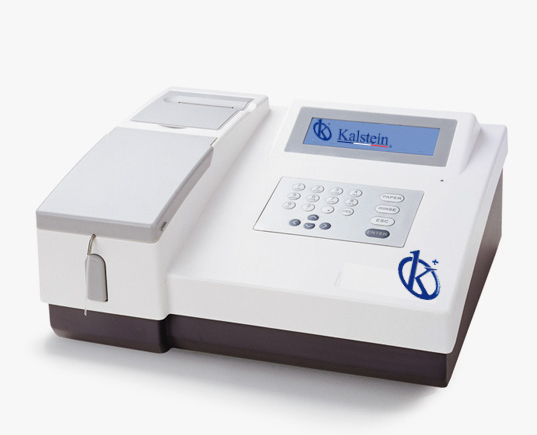
Predictive Maintenance and Recommended Calibration for Chemical Analyzers
In the fast-paced world of laboratory testing, the reliability of your chemical analyzers can significantly impact both the quality of results and operational efficiency. Predictive maintenance and regular calibration are essential practices that ensure these devices perform optimally and extend their lifespan. This article dives deep into the significance of these practices, focusing on various models of chemical analyzers and the best strategies for maintaining them effectively.
Understanding Predictive Maintenance
Predictive maintenance is a proactive approach to equipment management that leverages data analysis to predict when maintenance should be performed. Unlike traditional maintenance practices that rely on scheduled checks, predictive maintenance allows laboratory professionals to address potential issues before they escalate, ensuring consistent performance and reliability.
Calibration: Why It Matters
Calibration is the process of adjusting and verifying the accuracy of a measuring device, such as a chemical analyzer. Regular calibration is crucial to ensure that results are accurate and reliable. Without proper calibration, labs risk producing erroneous results that can lead to incorrect conclusions and potentially harmful decisions.
Industry Standards and Compliance
Compliance with industry standards is a driving force behind maintenance practices. Laboratories must adhere to regulations such as ISO/IEC 17025, which outlines the requirements for testing and calibration laboratories. Understanding how each model of chemical analyzer meets these standards is vital for maintaining compliance and ensuring high-quality results.
Comparison of Available Models
| Model | Calibration Features | Recommended Maintenance Schedule | Best for |
|---|---|---|---|
| YR05115 | Automatic adjustment for accuracy | Every 6 months | Routine testing |
| YR05114 | Manual calibration required | Every 6 months | Standard laboratories |
| YR06092 | Temperature calibration | Annually | Portable applications |
| YR06075 | Automated validation checks | Every 6 months | High-throughput labs |
| YR05116 | Continuous monitoring | Every 3 months | Advanced research facilities |
| YR06078 | Integrated calibration protocols | Every 6 months | General laboratories |
Best Practices for Predictive Maintenance
Implementing a successful predictive maintenance program involves several best practices:
- Data Monitoring: Continuously monitor the performance data of your analyzers to identify trends that may indicate potential failures.
- Regular Audits: Conduct regular audits of your maintenance protocols to ensure equipment is functioning as it should.
- Training Staff: Ensure that laboratory staff are trained to recognize early signs of equipment malfunction.
- Use of Technology: Employ software tools that facilitate predictive analytics and maintenance scheduling.
Common Mistakes and How to Avoid Them
Many laboratories make critical errors in their maintenance practices. Here are some common mistakes and how to avoid them:
- Ignoring Manufacturer Guidelines: Always follow the manufacturer’s recommendations for maintenance and calibration schedules.
- Inadequate Documentation: Maintain comprehensive records of all maintenance and calibration activities to ensure compliance and traceability.
- Failure to Train Staff: Regularly train laboratory personnel on the importance of maintenance and proper use of equipment.
Impact of Calibration on Analyzers Performance
Calibration directly affects the accuracy and precision of chemical analyzers. A well-calibrated device, such as the YR06075, can perform up to 560 tests per hour with high reliability. In contrast, neglecting calibration can lead to significant variations in test results, creating challenges in quality control.
Creating a Calibration Schedule
| Model | Calibration Frequency | Calibration Method |
|---|---|---|
| YR05115 | Every 6 months | Auto-calibration |
| YR05114 | Every 6 months | Manual calibration |
| YR06092 | Annually | Temperature calibration |
| YR06075 | Every 6 months | Automated validation |
| YR05116 | Every 3 months | Continuous monitoring |
| YR06078 | Every 6 months | Integrated protocol |
Frequently Asked Questions
What are the recommended calibration intervals for chemical analyzers?
Calibration intervals depend significantly on the model and its usage. For example, the YR05115 model recommends calibration every six months to ensure accuracy. Regular calibration is crucial in maintaining compliance with industry standards and ensuring reliable results.
How does predictive maintenance improve the lifespan of chemical analyzers?
Predictive maintenance enhances the lifespan of devices like the YR06075 by identifying potential failures before they occur, allowing timely interventions. This approach minimizes downtime and ensures that the analyzer operates efficiently, thus extending its operational life.
Which calibration methods are best for the YR05116 chemical analyzer?
The YR05116 chemical analyzer utilizes an auto-calibration method that provides continuous monitoring of performance. This method facilitates real-time adjustments, ensuring accurate results and compliance with industry standards.
How often should I perform maintenance on the YR06092 portable chemical analyzer?
For the YR06092 portable chemical analyzer, annual maintenance is recommended. Regular checks help maintain its accuracy and reliability, especially in portable applications where environmental conditions may vary.
What impact does calibration have on test accuracy in chemical analyzers?
Calibration directly impacts test accuracy, as seen with the YR06078 model. Regular calibration ensures that results remain within specified limits, thus maintaining the integrity of laboratory findings and compliance with standards.
What are the costs associated with the calibration of chemical analyzers?
Calibration costs can vary based on the model and the frequency of maintenance. For instance, the YR05114 model may incur costs associated with manual calibration every six months, which can include labor and materials, affecting the overall budget in a laboratory setting.
Can improper calibration affect my laboratory's compliance with ISO/IEC standards?
Yes, improper calibration can lead to non-compliance with ISO/IEC 17025 standards. Devices like the YR06075 must be calibrated correctly to ensure their performance aligns with regulatory requirements, as non-compliance can result in penalties and loss of accreditation.
What steps should I take to implement a predictive maintenance program?
To implement a predictive maintenance program, start by setting up a data monitoring system, conducting regular audits, training staff, and using technology to analyze performance trends. This approach is particularly beneficial for high-demand analyzers like the YR06075.
If you are looking for a fusion of innovation and quality, you have come to the right place. At Kalstein, we offer you the luxury of exploring our exclusive catalog of laboratory equipment. We manufacture every device to the highest standards of excellence. Our intuitive and seamless online purchasing channels are designed for your convenience, securing the most competitive prices. Hesitate no longer — we bring science to life, it is time to become part of our community.