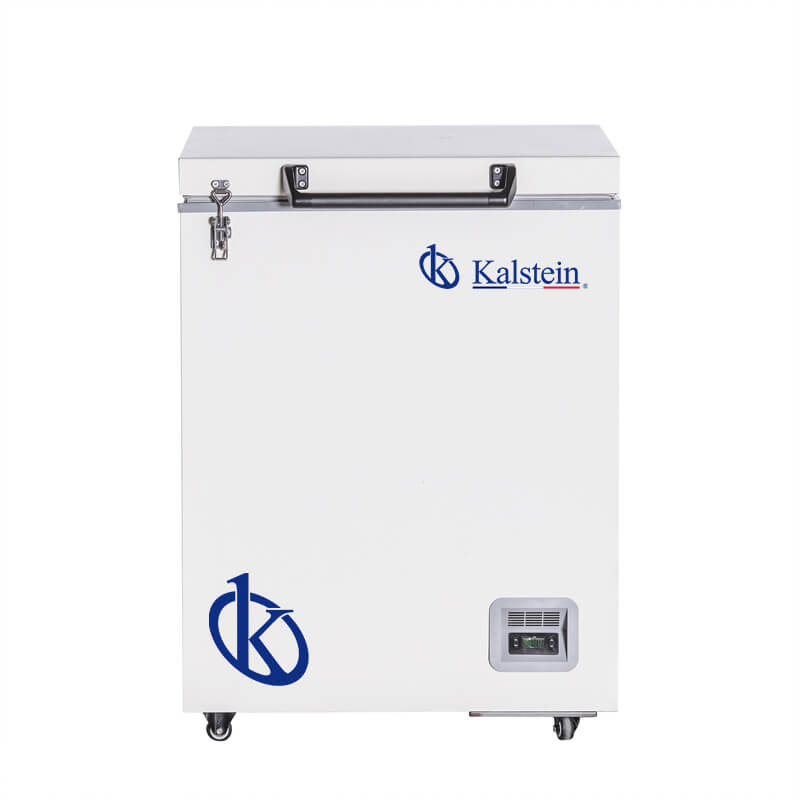
How to Ensure Predictive Maintenance and Recommended Calibration for Chest Freezers
Chest freezers are essential for laboratories, especially for storing biological samples, pharmaceuticals, and other temperature-sensitive materials. Maintaining their performance through predictive maintenance and regular calibration is crucial for ensuring sample integrity and regulatory compliance. This article examines the importance of these practices in the context of various chest freezer models, focusing on how they can optimize operations in a laboratory environment.
Understanding Predictive Maintenance in Chest Freezers
Predictive maintenance involves monitoring equipment to predict potential failures and performing maintenance before issues arise. This proactive approach minimizes downtime and repair costs. In the context of chest freezers, predictive maintenance can include monitoring temperature fluctuations, conducting regular inspections, and using diagnostic tools to assess performance. These practices ensure the reliability of temperature control, which is crucial for maintaining the quality of stored samples.
Recommended Calibration Practices for Chest Freezers
Calibration of chest freezers is essential for accurate temperature measurement. Regular calibration against traceable standards ensures that the devices operate within the required specifications, minimizing the risk of sample degradation. Calibration intervals should be determined based on usage, manufacturer guidelines, and regulatory requirements.
Importance of Tracking Temperature Data
Maintaining a reliable temperature log is critical for validating the performance of chest freezers. This data supports compliance with regulatory standards and provides insight into operational efficiency. Utilizing digital monitoring systems can enhance data accuracy and facilitate timely interventions if temperature deviations occur.
Comparative Analysis of Chest Freezer Models
When selecting a chest freezer, understanding the specifications and features is vital for ensuring they meet the laboratory's operational needs. Below, a comparative table highlights the key models available for different laboratory applications.
| Model | Temperature Range (°C) | Cooling Method | Power Consumption (kWh/24h) | Best For |
|---|---|---|---|---|
| YR05102 | -10 to -40 | Direct Cooling | 1.65 | General laboratory use |
| YR05103 | -10 to -40 | Direct Cooling | 1.68 | Medium-scale storage |
| YR05104 | -20 to -40 | Direct Cooling | 3.45 | High-volume labs |
| YR05314 | -40 to -86 | Direct Cooling | 11.5 | Ultra-low temperature applications |
| YR05313 | -40 to -86 | Direct Cooling | 3.8 | Small-scale ultra-low storage |
| YR05315 | -25 to -60 | Direct Cooling | 3.2 | Biomedical storage |
Common Mistakes and How to Avoid Them
Many laboratories make common mistakes that can compromise the effectiveness of their chest freezers. One major error is neglecting regular maintenance checks, which can lead to unexpected failures. Additionally, improper calibration can result in inaccurate temperature readings, risking the integrity of stored materials. Educating staff about the importance of these practices and implementing a schedule can mitigate these risks.
Best Practices for Predictive Maintenance and Calibration
To effectively implement predictive maintenance for chest freezers, consider the following best practices:
- Establish a temperature monitoring protocol to track fluctuations.
- Set up regular maintenance schedules based on manufacturer recommendations.
- Utilize advanced diagnostic tools for predictive assessments.
- Train staff on proper operation and maintenance procedures.
Establishing Calibration Intervals
Calibration intervals should be established based on usage frequency and environmental factors. Generally, chest freezers should undergo calibration at least once a year. However, more frequent calibration may be necessary in high-usage environments or when temperature extremes are frequently encountered. Keeping records of calibration activities can help maintain compliance with industry standards.
Frequently Asked Questions
What are the predictive maintenance requirements for chest freezers in laboratories?
Predictive maintenance for chest freezers involves monitoring temperature logs, conducting regular maintenance checks, and using diagnostic tools. For example, the YR05102 model should be inspected quarterly to ensure reliable temperature ranges are maintained.
How often should calibration be performed on chest freezers?
Calibration of chest freezers should occur at least once a year, but more frequent checks may be required based on usage and environmental conditions. For instance, the YR05314 model, used for ultra-low temperature applications, benefits from biannual calibration to maintain precise readings.
Which chest freezer models are best for biomedical applications?
For biomedical applications, the YR05315 model is ideal, as it operates between -25°C and -60°C, suitable for storing sensitive samples like vaccines. Regular calibration is vital to maintain optimal performance.
How can I track the performance of my chest freezer over time?
Implement a temperature monitoring system that logs data continuously. The YR05103 model, for instance, features a digital display that simplifies tracking temperature fluctuations, ensuring compliance with laboratory standards.
What are the energy consumption levels of different chest freezer models?
Energy consumption varies by model; for example, the YR05104 consumes 3.45 kWh/24h, while the YR05314 operates at 11.5 kWh/24h, reflecting its ultra-low temperature capabilities. Understanding these metrics is essential for cost management.
Why is regular maintenance crucial for laboratory chest freezers?
Regular maintenance is essential to prevent unexpected failures and ensure that temperature controls remain accurate. Models like the YR05102 require consistent checks to avoid compromising sample integrity.
What should I include in my chest freezer calibration checklist?
A calibration checklist should include steps such as verifying temperature accuracy, inspecting seals and gaskets, and documenting readings. Maintaining a log for models like the YR05104 can help adhere to compliance standards.
Conclusion
If you are looking for a fusion of innovation and quality, you have come to the right place. At Kalstein, we offer you the luxury of exploring our exclusive catalog of laboratory equipment. We manufacture every device to the highest standards of excellence. Our intuitive and seamless online purchasing channels are designed for your convenience, securing the most competitive prices. Hesitate no longer — we bring science to life, it is time to become part of our community.