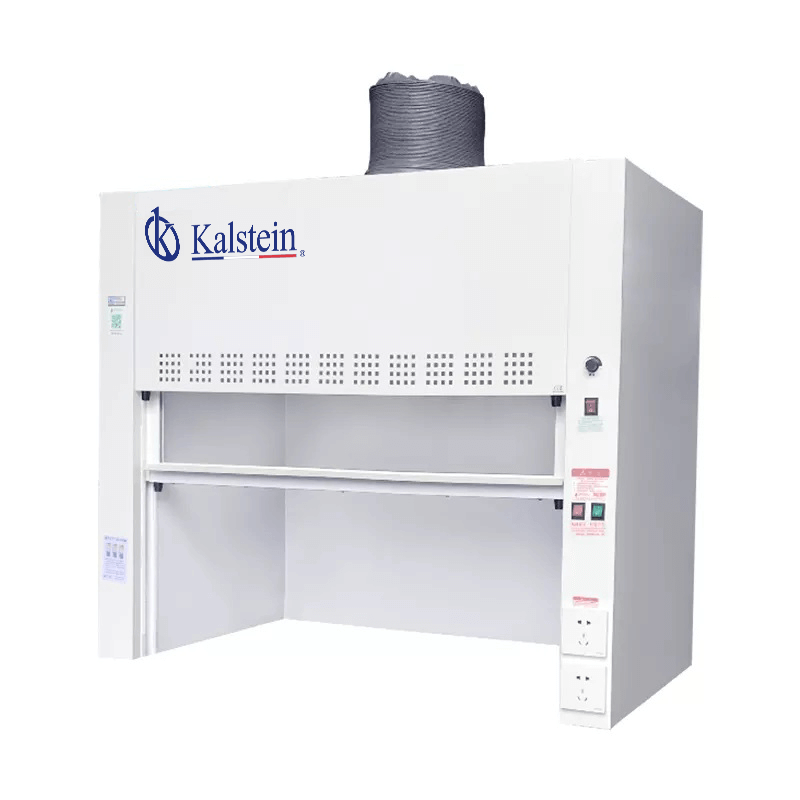
How to Ensure Predictive Maintenance and Recommended Calibration for Fume Hood Cabinets
Fume hood cabinets are essential in laboratory settings for ensuring safety and compliance when handling hazardous materials. With their critical role in protecting laboratory personnel and maintaining air quality, it is imperative to implement predictive maintenance and regular calibration strategies. This article will explore best practices, highlight various models of fume hood cabinets, and provide comprehensive insights into maintaining these crucial laboratory fixtures.
Understanding Predictive Maintenance and Calibration
Predictive maintenance refers to the proactive approach of monitoring the condition and performance of laboratory equipment, aiming to predict when maintenance should be performed. This strategy is pivotal in minimizing downtime and avoiding unexpected failures. Calibration, on the other hand, involves adjusting the fume hood's components to ensure they function according to specific standards and operational requirements. Both practices are essential for optimizing the performance and longevity of fume hood cabinets.
Importance of Predictive Maintenance in Fume Hood Cabinets
Predictive maintenance ensures that fume hood cabinets operate at optimal efficiency, which is critical for laboratory safety. By implementing this approach, laboratories can extend the lifespan of their fume hoods, reduce operational costs, and enhance user safety. Regular maintenance checks can identify potential issues such as airflow problems or mechanical failures, allowing for timely interventions.
Recommended Calibration Practices for Fume Hood Cabinets
Calibration frequency for fume hood cabinets typically depends on the manufacturer's recommendations and the specific usage conditions. Generally, it is advisable to calibrate fume hoods at least once a year. Calibration should focus on airflow velocity, sash height adjustments, and the functionality of alarms and indicators. Ensuring that fume hoods meet the American National Standards Institute (ANSI) Z9.5 standards promotes safety and compliance.
Key Performance Indicators for Fume Hood Maintenance
To effectively measure the performance of fume hood cabinets, laboratories should monitor key performance indicators (KPIs) such as Mean Time Between Failures (MTBF) and Mean Time To Repair (MTTR). These metrics offer insights into the reliability of the fume hoods and help assess the effectiveness of maintenance strategies. A well-planned maintenance program can lead to improved performance and reduced operational disruptions.
Comparative Analysis of Available Models
The comparison of fume hood cabinet models is essential for selecting the right equipment based on specific laboratory needs. Below is a table that outlines the key specifications and features of various models, helping to evaluate their suitability for predictive maintenance and calibration requirements.
| Model | External Size (mm) | Internal Size (mm) | Airflow Velocity (m/s) | Price (USD) |
|---|---|---|---|---|
| YR05808 | 650 x 650 x 1000 | 450 x 600 x 750 | 0.4-0.6 | 390.00 |
| YR05809 | 800 x 650 x 1000 | 600 x 600 x 750 | 0.4-0.6 | 420.00 |
| YR05810 | 1000 x 650 x 1000 | 800 x 600 x 750 | 0.4-0.6 | 470.00 |
| YR05811 | 1000 x 650 x 1000 | 1000 x 600 x 750 | 0.4-0.6 | 508.00 |
| YR05812 | 1500 x 650 x 1000 | 1300 x 600 x 750 | 0.4-0.6 | 526.00 |
Common Mistakes and How to Avoid Them
One of the most common mistakes laboratories make is neglecting regular maintenance checks, leading to decreased performance and potential safety hazards. Additionally, failing to document calibration activities can result in compliance issues during audits. To avoid these pitfalls, laboratories should establish a routine maintenance schedule, keep thorough records of all calibrations, and ensure all staff are trained in the proper operation and maintenance of fume hood cabinets.
Frequently Asked Questions
How often should fume hood cabinets be calibrated for optimal safety standards?
Fume hood cabinets should be calibrated at least once a year to ensure compliance with American National Standards Institute (ANSI) Z9.5 standards. Models like YR05810 provide features that facilitate effective calibration and maintenance.
What are the key indicators of effective predictive maintenance for fume hoods?
Key indicators include Mean Time Between Failures (MTBF) and Mean Time To Repair (MTTR). Regular monitoring of these metrics for models such as YR05812 can help labs implement effective predictive maintenance strategies.
Which fume hood model has the best airflow velocity for laboratory applications?
All listed models, including YR05811, provide an airflow velocity of 0.4-0.6 m/s, which is suitable for ensuring safety in laboratory applications through effective fume extraction.
How can calibration protocols enhance fume hood cabinet performance?
Calibration protocols ensure that fume hoods operate within specified limits, improving performance and safety. Models like YR05809 include features to support such protocols effectively.
What maintenance schedule is recommended for fume hood cabinets?
A maintenance schedule should include monthly visual inspections and annual thorough checks, including calibration. This approach will help maintain models like YR05808 in optimal working condition.
How do different fume hood models compare in terms of price and features?
The models vary in price, with YR05808 starting at $390.00, offering essential features suitable for various laboratory settings, making cost-effectiveness and feature comparison crucial in decision-making.
What steps can be taken to avoid common fume hood maintenance mistakes?
To avoid common mistakes, laboratories should establish a regular maintenance routine, document all activities, and train staff on proper usage, especially for models like YR05810 that require meticulous care.
Are there specific regulations governing fume hood maintenance and calibration?
Yes, fume hood maintenance and calibration are governed by ANSI Z9.5 standards, which require regular checks and adherence to safety protocols. Ensuring compliance is essential for all fume hood models.
If you are looking for a fusion of innovation and quality, you have come to the right place. At Kalstein, we offer you the luxury of exploring our exclusive catalog of laboratory equipment. We manufacture every device to the highest standards of excellence. Our intuitive and seamless online purchasing channels are designed for your convenience, securing the most competitive prices. Hesitate no longer — we bring science to life, it is time to become part of our community.