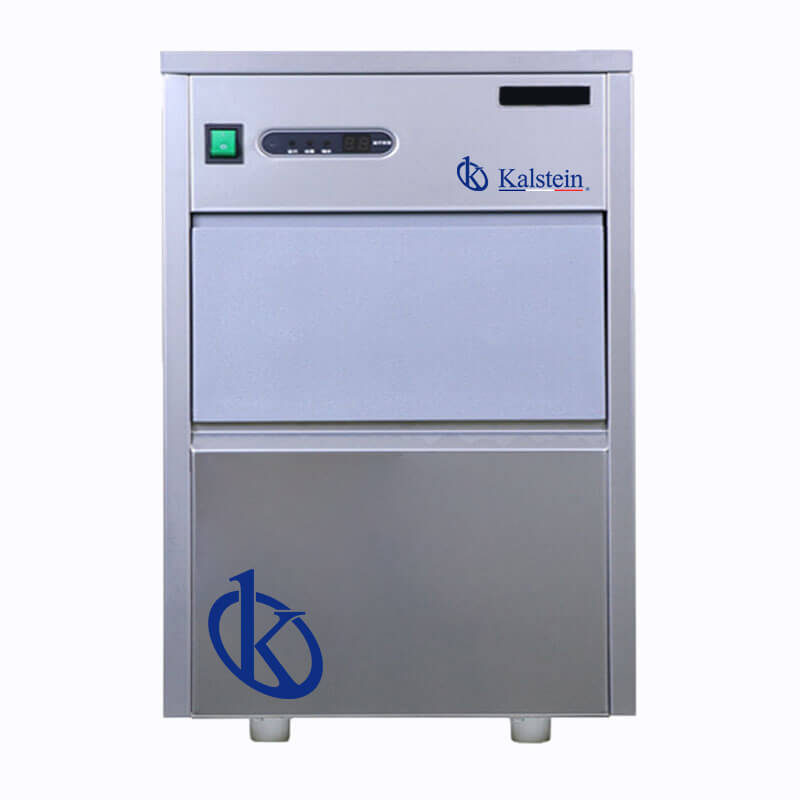
Predictive Maintenance and Recommended Calibration for Ice Machines in Laboratory Settings
Ice machines are pivotal in various laboratory environments, including educational institutions, medical laboratories, chemical labs, and biological research facilities. They provide essential ice supplies for experiments, storage, and other applications. However, to ensure their smooth operation and longevity, it is crucial to implement predictive maintenance and adhere to recommended calibration schedules. This article discusses in-depth the strategies and solutions to achieve optimal performance from your ice machines.
Understanding Predictive Maintenance in Ice Machines
Predictive maintenance refers to the use of data-driven insights to anticipate equipment failures before they occur. This proactive approach helps laboratory professionals maintain operational efficiency and avoid unexpected downtimes. For ice machines, predictive maintenance includes monitoring critical components such as compressors, cooling systems, and control systems to identify signs of wear or malfunction early.
Importance of Regular Calibration for Ice Machines
Calibration is the process of adjusting ice machines to ensure they operate within specified parameters and produce ice of consistent quality. Regular calibration is essential for maintaining the accuracy of ice production rates and temperature settings. This ensures that the ice produced meets the specific requirements of various laboratory applications.
Recommended Calibration Intervals
Laboratories should establish a calibration schedule based on the usage frequency and operational demands of their ice machines. Generally, a bi-annual calibration is advisable, but more frequent calibration may be necessary in high-demand settings. Key parameters to focus on during calibration include ice production rates (measured in kg/24 hours), storage capacity, and temperature settings.
Comparison of Available Models
| Model | Ice Production (kg/24h) | Storage Capacity (kg) | Power (W) | Calibration Frequency | Best Use Case |
|---|---|---|---|---|---|
| YR05130 | 20 | 10 | 280 | Bi-annual | Schools, small labs |
| YR05131 | 30 | 10 | 300 | Bi-annual | Medical labs |
| YR05132 | 40 | 15 | 360 | Annual | Research laboratories |
| YR05133 | 50 | 15 | 380 | Annual | High-demand labs |
| YR05134 | 60 | 25 | 420 | Annual | Large labs |
| YR05135 | 70 | 25 | 460 | Annual | Heavy-use facilities |
Common Mistakes and How to Avoid Them
One of the most common mistakes laboratories make is neglecting regular maintenance and calibration schedules. This can lead to reduced efficiency and unexpected breakdowns. To avoid these issues, laboratories should establish a comprehensive maintenance plan, set reminders for calibration, and train staff on proper usage and care of ice machines.
Strategies for Effective Predictive Maintenance
To implement effective predictive maintenance for ice machines, laboratories should utilize monitoring tools to track performance metrics. These tools can help identify trends in ice production and operational efficiency. Additionally, maintaining a log of calibration results and service history can provide insights into potential future problems and maintenance requirements.
Benefits of Predictive Maintenance and Calibration
Implementing predictive maintenance and regular calibration has several benefits, including increased equipment lifespan, reduced operational costs, and improved ice quality. By proactively addressing issues before they become critical, laboratories can enhance their productivity and ensure that they meet their operational needs without interruption.
Frequently Asked Questions
How often should ice machines be calibrated in laboratory settings?
Calibration of ice machines should ideally occur bi-annually or annually, depending on usage. For instance, models like YR05130 and YR05131, which are used in schools and medical labs, should be calibrated every six months to maintain efficiency.
What are the critical maintenance tasks for ice machines?
Essential maintenance tasks for ice machines include regularly cleaning the condenser coils, inspecting the water supply, and monitoring the ice production rate. Ensuring these tasks are performed can prolong the life of models like YR05134, which produce large quantities of ice.
Which ice machine model is best for high-demand laboratories?
The YR05135 model, with a production capacity of 70 kg/24 hours, is ideal for high-demand laboratories. Regular calibration and maintenance can ensure it operates efficiently and meets the demands of heavy usage.
How can I improve the efficiency of my laboratory's ice machine?
Improving efficiency can be achieved through regular maintenance and monitoring ice production rates. Utilizing models such as YR05132, which has a high production capacity, combined with a good calibration schedule can maximize operational efficiency.
What are the signs that an ice machine needs maintenance?
Signs that an ice machine, such as the YR05133, needs maintenance include unusual noises, inconsistent ice production, or higher than normal power consumption. Addressing these issues promptly can prevent equipment failure.
Is predictive maintenance expensive for ice machines?
While there may be initial costs associated with implementing predictive maintenance, such as training and monitoring tools, the long-term savings from avoiding unexpected breakdowns and maintaining performance generally outweigh these costs.
What should be included in a calibration log for ice machines?
A calibration log should include the date of calibration, results of the calibration tests, any adjustments made, and the next scheduled calibration date. This is essential for maintaining compliance with operational standards.
How does improper calibration affect ice machine performance?
Improper calibration can lead to inconsistent ice production and reduced quality, impacting lab experiments. For example, if the YR05134 is not calibrated correctly, it may produce ice that does not meet lab standards.
If you are looking for a fusion of innovation and quality, you have come to the right place. At Kalstein, we offer you the luxury of exploring our exclusive catalog of laboratory equipment. We manufacture every device to the highest standards of excellence. Our intuitive and seamless online purchasing channels are designed for your convenience, securing the most competitive prices. Hesitate no longer — we bring science to life, it is time to become part of our community.