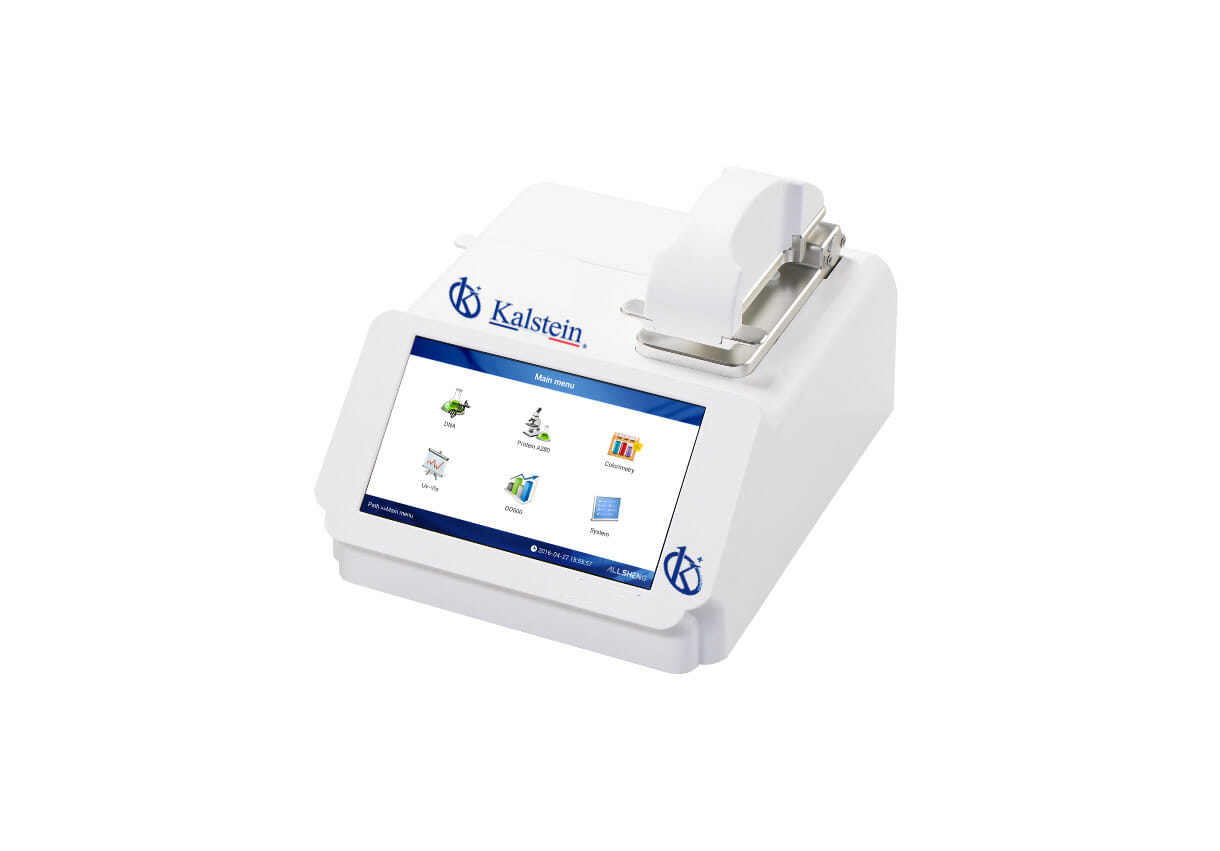
How to Implement Predictive Maintenance and Recommended Calibration for Micro-Spectrophotometers
Micro-spectrophotometers are essential tools in modern laboratories for the precise measurement of nucleic acids and proteins. Ensuring their optimal performance requires a clear understanding of predictive maintenance and the recommended calibration schedules. This article delves into the best practices for maintaining these instruments to meet the high standards required in scientific research.
Understanding Micro-Spectrophotometers in Laboratory Settings
Micro-spectrophotometers, such as the YR06033-1, YR06034, and YR06035, are designed for the analysis of very small sample volumes, offering high precision and accuracy. These instruments are crucial in various applications, including genomics, proteomics, and cellular biology. However, their performance can degrade over time without adequate maintenance and calibration, leading to inaccurate results.
Importance of Predictive Maintenance
Predictive maintenance is a proactive approach that helps laboratories minimize downtime and maintain the accuracy of their micro-spectrophotometers. This involves monitoring the instruments and using data analysis to predict when maintenance should be performed. The YR06035 model, for instance, integrates advanced diagnostic tools that can alert users to potential issues before they affect performance.
Recommended Calibration Practices
Calibration is essential for ensuring the accuracy of micro-spectrophotometers. Regular calibration against known standards allows for the correction of any drift in measurement accuracy. Instruments like the YR06034 require calibration at specific intervals, typically every 30 days, depending on usage and environment. This section outlines a practical calibration schedule and the standards to use.
Key Factors Influencing Calibration Intervals
Several factors influence how often calibration should be performed, including usage frequency, the environment in which the spectrophotometers are operated, and manufacturer recommendations. For example, micro-spectrophotometers in high-throughput labs may require more frequent calibration. Understanding these factors can help ensure that instruments remain compliant with relevant standards.
Failure Modes and Predictive Maintenance Strategies
Identifying common failure modes in micro-spectrophotometers is crucial for establishing effective predictive maintenance strategies. Issues such as lamp degradation, detector sensitivity loss, and software malfunctions are prevalent. Regular monitoring of these components can help in predicting failures and planning maintenance before they occur.
Calibration and Maintenance Checklist
| Task | Frequency | Responsible Person |
|---|---|---|
| Calibration with known standards | Monthly | Lab Technician |
| Inspection of lamp and detector | Quarterly | Maintenance Engineer |
| Software updates | As needed | IT Specialist |
| General cleaning and maintenance | Bi-annually | Lab Technician |
Common Mistakes and How to Avoid Them
One common mistake in the maintenance of micro-spectrophotometers is neglecting to follow the manufacturer’s calibration guidelines. Another mistake is delaying maintenance until a failure occurs, leading to significant downtime. Ensuring that all lab personnel are trained on the importance of these practices is essential for maintaining the instruments’ performance.
Comparison of Available Models
| Model | Wavelength Range | Minimum Sample Size | Calibration Frequency | Best For |
|---|---|---|---|---|
| YR06033-1 | 200-800 nm | 0.5-2.0 μl | Monthly | Nucleic acids and proteins |
| YR06034 | 260 nm, 280 nm | 1-2.0 μl | Monthly | Basic nucleic acid analysis |
| YR06035 | 200-800 nm | 0.5-2.0 μl | Monthly | Advanced applications and research |
Frequently Asked Questions
What is the importance of calibration for micro-spectrophotometers?
Calibration is crucial for micro-spectrophotometers to ensure measurement accuracy. Instruments like the YR06034 must be calibrated with known standards every month to maintain compliance and reliability in results.
How can predictive maintenance enhance the lifespan of micro-spectrophotometers?
Predictive maintenance helps identify potential failures before they occur, allowing labs to perform timely interventions. For example, the YR06035 can monitor performance metrics to predict maintenance needs, which extends its operational lifespan.
What are the recommended calibration intervals for micro-spectrophotometers?
Most micro-spectrophotometers, such as the YR06033-1, should be calibrated monthly to ensure accurate readings. This regular maintenance helps prevent drift and maintains compliance with laboratory standards.
Which factors affect the calibration frequency of micro-spectrophotometers?
Calibration frequency can be influenced by usage volume, environmental conditions, and manufacturer recommendations. High-usage labs may require more frequent calibration of models like YR06034 to maintain accuracy.
What common mistakes should labs avoid in micro-spectrophotometer maintenance?
Common mistakes include ignoring calibration schedules and neglecting regular maintenance checks. Following a structured approach, such as the checklist provided, can help prevent these issues.
How can I ensure compliance with calibration standards in my lab?
To ensure compliance, labs should adhere to a strict calibration schedule and document all maintenance activities. Using models like YR06035, which have built-in diagnostics, can assist in meeting compliance standards effectively.
What role does predictive maintenance play in laboratory efficiency?
Predictive maintenance enhances laboratory efficiency by reducing downtime and improving instrument reliability. With the YR06033-1, labs can leverage diagnostics that predict when maintenance is needed, ensuring continuous operation.
How does the wavelength range affect the application of micro-spectrophotometers?
The wavelength range determines the applications suitable for each model. For instance, the YR06035 covers a range from 200-800 nm, making it ideal for diverse applications in nucleic acid and protein analysis.
If you are looking for a fusion of innovation and quality, you have come to the right place. At Kalstein, we offer you the luxury of exploring our exclusive catalog of laboratory equipment. We manufacture every device to the highest standards of excellence. Our intuitive and seamless online purchasing channels are designed for your convenience, securing the most competitive prices. Hesitate no longer — we bring science to life, it is time to become part of our community.