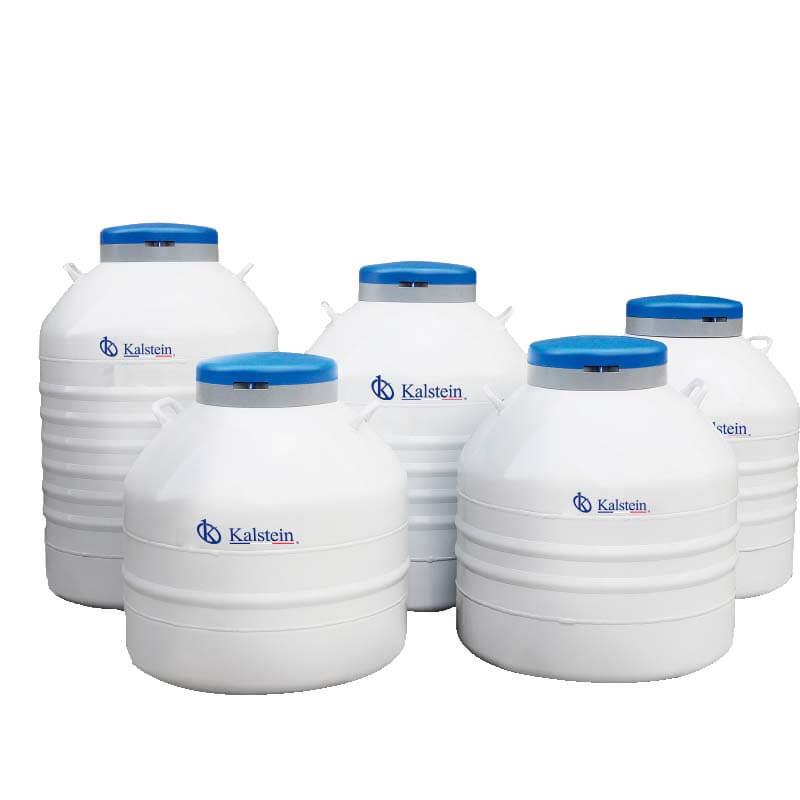
Understanding the Scientific Principles Behind the YR05382-1 Rack
The YR05382-1 rack is an advanced piece of laboratory equipment designed to meet the needs of modern scientific research. Understanding its operational principles is crucial for effective utilization in various applications. This article delves into the scientific fundamentals that govern the YR05382-1, ensuring users maximize its potential through informed operation.
Principle of Operation of the YR05382-1 Rack
The YR05382-1 rack operates based on the principles of cryogenic storage and temperature control. Its primary function revolves around the preservation of biological samples at extremely low temperatures. The design leverages the thermodynamic properties of nitrogen, which is instrumental in maintaining the required temperature levels for sample integrity.
When nitrogen transitions from a liquid to a gaseous state, it absorbs a significant amount of heat, creating a cooling effect. This principle is central to the YR05382-1's ability to maintain low storage temperatures that are necessary for preserving sensitive samples.
Scientific Fundamentals and Key Formulas
The operation of the YR05382-1 is rooted in thermodynamics. The cooling effect achieved by the nitrogen is quantified through principles such as the heat transfer equation.
Heat Transfer Equation:
Q = mcΔT
Where:
Q = heat transfer (Joules)
m = mass of the substance (kg)
c = specific heat capacity (J/kg·K)
ΔT = change in temperature (K)
This equation allows operators to calculate the amount of heat that can be effectively absorbed by the nitrogen, informing them how long samples can be preserved without risk of degradation.
Design Choices and Their Scientific Rationale
The design of the YR05382-1 rack incorporates several features that enhance its functionality. Firstly, the insulating materials used are critical for reducing heat transfer from the external environment, which helps maintain the internal temperature.
Additionally, the rack's structure allows for optimal nitrogen distribution, ensuring that all samples receive uniform cooling. These design considerations are fundamental in preventing any temperature fluctuations that could jeopardize sample integrity.
Comparison with Alternative Cooling Methods
While the YR05382-1 relies on nitrogen-based cooling, it is essential to understand how this method compares to alternatives such as mechanical refrigeration.
| Cooling Method | Efficiency | Temperature Range | Sample Preservation |
|---|---|---|---|
| Nitrogen Cooling | High | -196°C to -150°C | Excellent |
| Mechanical Refrigeration | Moderate | -80°C to 0°C | Variable |
Nitrogen cooling provides a broader and more efficient temperature range, making it the preferred choice for long-term biological sample storage.
Technical Specifications of the YR05382-1 Rack
| Model | Brand | Category | Price (USD) | Weight | Dimensions |
|---|---|---|---|---|---|
| YR05382-1 | Kalstein | Nitrogen Tanks | 31.00 | 0 | x x |
Frequently Asked Questions
What is the maximum storage capacity of the YR05382-1 rack?
The YR05382-1 rack is designed to hold a significant number of biological samples, with its specific capacity depending on the size and arrangement of the samples stored within.
How does the YR05382-1 maintain low temperatures?
The rack uses liquid nitrogen, leveraging its properties to absorb heat effectively, thus maintaining low temperatures essential for sample preservation.
Are there specific guidelines for operating the YR05382-1?
Yes, operators should follow guidelines regarding safe handling of nitrogen, as well as ensuring proper insulation and monitoring temperature levels regularly.
What are the common issues encountered with the YR05382-1 rack?
Common issues may include temperature fluctuations and insufficient nitrogen levels, which can be monitored through regular checks and maintenance.
Can the YR05382-1 be used for industrial applications?
Yes, the YR05382-1 is versatile and can be adapted for various industrial applications where sample preservation at low temperatures is necessary.
What maintenance is required for the YR05382-1?
Regular inspection of nitrogen levels, temperature monitoring, and cleaning of storage areas are essential maintenance practices for the YR05382-1.
If you are looking for a fusion of innovation and quality, you have come to the right place. At Kalstein, we offer you the luxury of exploring our exclusive catalog of laboratory equipment. We manufacture every device to the highest standards of excellence. Our intuitive and seamless online purchasing channels are designed for your convenience, securing the most competitive prices. Hesitate no longer — we bring science to life, it is time to become part of our community.