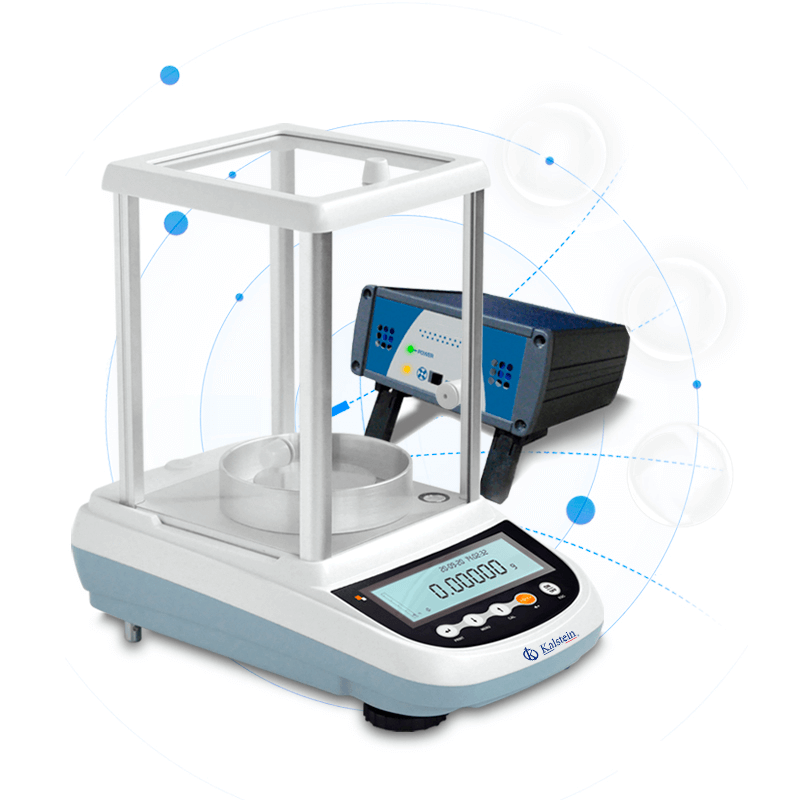
Semimicro Balances: Practical Applications and Techniques 2026
In the evolving landscape of laboratory work, the semimicro balance plays a crucial role. This article delves into the applications, best practices, and techniques associated with semimicro balances in 2026.
What is it used for in 2026
Semimicro balances are highly sensitive weighing instruments designed to measure small masses with precision. In 2026, they are primarily utilized in various sectors including research, pharmaceuticals, and academia. These balances are essential for applications requiring high accuracy in weighing fine powders, chemicals, and biological samples.
History and evolution of the technology
The development of semimicro balances dates back to the early 20th century, when advancements in electronic balance technology began to emerge. Over the decades, the introduction of digital displays, automated calibration, and enhanced data management systems have transformed the usability and accuracy of these balances. Today, semimicro balances have evolved to feature sophisticated functionalities such as internal calibration, multi-language support, and data storage capabilities, making them invaluable tools in modern laboratories.
How to use it step by step
Using a semimicro balance involves several crucial steps:
- Preparation: Ensure the balance is placed on a stable surface away from drafts and vibrations. Allow the device to warm up if necessary.
- Calibration: Perform an internal calibration according to the manufacturer’s instructions to ensure accuracy.
- Weighing: Place the sample on the weighing pan using appropriate tools like tweezers or gloves to avoid contamination. Close the draft shield and allow the reading to stabilize.
- Recording Data: Note the weight displayed. If applicable, utilize the balance's data management functions to store the data for later use.
- Post-Use Care: Remove the sample, clean the pan if necessary, and return the balance to standby mode.
Best techniques and protocols
To achieve optimal results when using semimicro balances, consider the following techniques:
- Always use a draft shield to minimize the effects of air currents.
- Utilize a consistent method for placing samples on the balance.
- Perform multiple measurements and calculate the average for enhanced accuracy.
- Regularly maintain and calibrate the balance to prevent drift in measurements.
Practical applications by laboratory type
Semimicro balances find application in various laboratory settings:
- Pharmaceutical Labs: Used for precise formulation of drug compounds.
- Chemical Research: Ideal for measuring reagents and catalysts in small quantities.
- Academic Institutions: Used for teaching students about precise measurement techniques.
- Biotechnology: Important for weighing biological samples and materials.
Regulations, standards and certifications
In 2026, semimicro balances must comply with various regulatory standards including ISO and GLP. Laboratories are required to maintain records of calibration and ensure that all equipment meets the necessary certification requirements to uphold accuracy and reliability in measurements.
Comparison with alternative technologies
While semimicro balances are highly accurate, alternative technologies such as analytical balances and microbalances may be considered depending on the application needs:
- Analytical Balances: Suitable for larger samples with a higher capacity but less precision than semimicro balances.
- Microbalances: Designed for ultra-precise measurements but limited to very small samples, often at a higher cost.
Comparison of available models
| Model | Best for | Key specs | Recommended use case |
|---|---|---|---|
| YR05562 | General laboratory use | Capacity: 62g/120g, Resolution: 0.01mg | Weighing in routine lab environments |
| YR05563 | Precision chemical weighing | Capacity: 82g/220g, Resolution: 0.01mg | Formulating chemical reactions |
| YR05564 | Pharmaceutical applications | Capacity: 102g/220g, Resolution: 0.01mg | Compounding medications |
| YR05565 | Biological sample weighing | Capacity: 122g, Resolution: 0.01mg | Weighing tissue samples |
| YR05566 | Academic research | Capacity: 162g, Resolution: 0.01mg | Teaching students practical weighing |
| YR05567 | Advanced laboratory applications | Capacity: 202g, Resolution: 0.01mg | High precision analytical tasks |
Common mistakes and how to avoid them
Common mistakes when using semimicro balances include:
- Not calibrating the balance regularly which can lead to inaccuracies.
- Placing samples directly on the pan without using appropriate tools, causing contamination.
- Ignoring environmental conditions such as temperature and humidity which can affect readings.
To avoid these mistakes, ensure regular training for laboratory personnel and maintain strict adherence to operational protocols.
Maintenance, calibration and good practices 2026
Regular maintenance is crucial for ensuring the longevity and accuracy of semimicro balances. This includes:
- Performing daily checks of calibration.
- Keeping the balance clean and free from dust.
- Storing the balance in a controlled environment away from extreme conditions.
Implementing good practices enhances the reliability of weighing results and minimizes errors.
Cost-benefit analysis 2026
Investing in semimicro balances can be justified through their precision and versatility. The cost of these balances varies based on features, ranging from $1200 to $1925. Considering their applicability in high-stakes environments like pharmaceuticals and research, the return on investment is substantial. The ability to produce accurate measurements directly translates into better research outcomes, cost savings, and improved efficiency.
Frequently asked questions
What is the primary advantage of using a semimicro balance?
The primary advantage of using a semimicro balance is its ability to provide highly accurate measurements of small samples, which is critical in precise scientific research and formulations.
How often should I calibrate my semimicro balance?
It is recommended to calibrate your semimicro balance at least once a day or before any critical measurements to maintain accuracy.
Can I use a semimicro balance for weighing liquids?
Yes, you can weigh liquids on a semimicro balance, but it is essential to use appropriate containers to prevent spills and contamination.
What are the most common errors in weighing with a semimicro balance?
Common errors include not allowing the balance to stabilize before recording a weight and placing items directly on the pan, which can cause contamination.
Is training important for using semimicro balances?
Yes, proper training is crucial for ensuring users understand the functionalities and limitations of semimicro balances for accurate results.
What should I do if my balance shows inconsistent readings?
If the balance shows inconsistent readings, check for environmental factors such as drafts or vibrations, and perform a calibration check to ensure accuracy.
If you are looking for a fusion of innovation and quality, you have come to the right place. At Kalstein, we offer you the luxury of exploring our exclusive catalog of laboratory equipment. We manufacture every device to the highest standards of excellence. Our intuitive and seamless online purchasing channels are designed for your convenience, securing the most competitive prices. Hesitate no longer — we bring science to life, it is time to become part of our community.