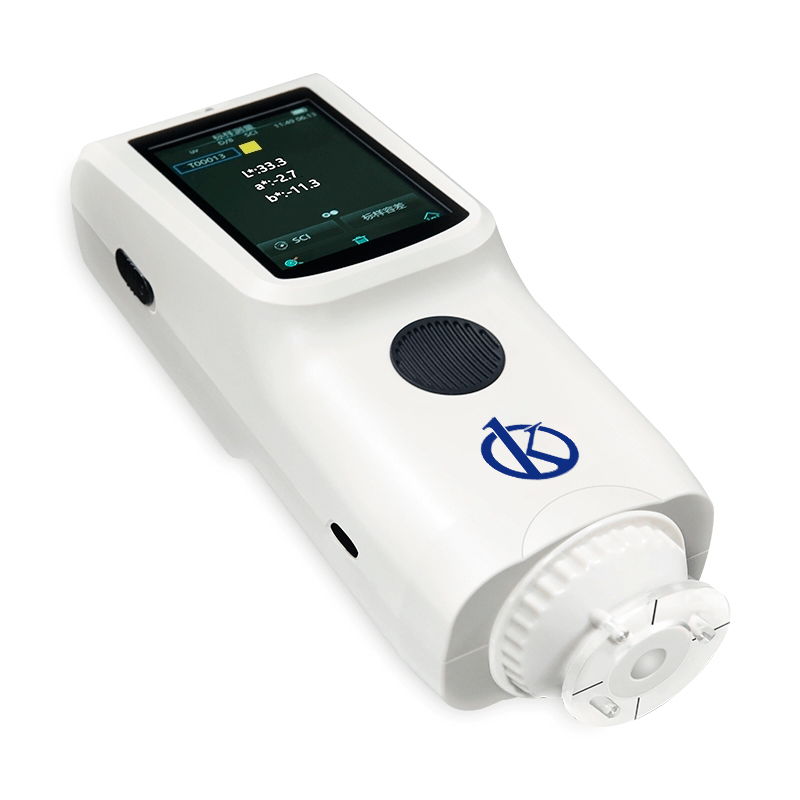
Spectrocolorimeters: Practical Applications and Techniques 2026
What is it used for in 2026
Spectrocolorimeters are essential instruments in laboratories across various fields, including biotechnology, academia, and environmental science. They are primarily used for accurately measuring the color of substances, which can be critical in numerous applications such as quality control in manufacturing, analysis of food and beverages, and testing of paints and plastics. In 2026, the use of spectrocolorimeters has expanded to include more sophisticated workflows that leverage their precision and accuracy for advanced research and development projects.
History and evolution of the technology
The technology behind spectrocolorimeters has evolved significantly over the decades. Initially, color measurement was conducted using basic color charts and visual assessment. However, as industries recognized the importance of color consistency, the need for more accurate measurement devices led to the development of spectrophotometers and later, spectrocolorimeters. Modern spectrocolorimeters, such as the models from Kalstein, utilize advanced spectral architecture and matrix photodiode sensors to provide precise color difference measurements, enabling compliance with international standards.
How to use it step by step
Using a spectrocolorimeter involves several key steps:
- Preparation: Ensure that the instrument is calibrated and correctly set up according to the manufacturer's instructions.
- Sample Preparation: Prepare the sample to be measured. This may involve diluting, homogenizing, or placing it in a container that is compatible with the colorimeter.
- Measurement: Place the sample into the measurement area of the spectrocolorimeter. Follow the prompts to start the measurement process.
- Data Collection: Record the output data, which typically includes values for L, A, and B coordinates as well as the Δ E (color difference).
- Analysis: Analyze the data against established standards or previous measurements to determine color consistency or compliance.
Best techniques and protocols
To ensure accurate measurements when using spectrocolorimeters, laboratory professionals should follow these techniques:
- Always calibrate the device before use with standard reference materials.
- Use consistent sample positioning for repeatability.
- Maintain controlled environmental conditions to minimize the impact of lighting on color measurements.
Practical applications by laboratory type
Different laboratories utilize spectrocolorimeters uniquely based on their specific needs:
- Food and Beverage Laboratories: Use these instruments for quality control and ensuring color consistency in products.
- Cosmetic and Pharmaceutical Laboratories: Measure color for stability testing and product formulation.
- Textile Laboratories: Assess color fastness and dye quality.
Regulations, standards and certifications
In 2026, spectrocolorimeters must comply with several industry standards, including:
- CIE No.15 for color measurement
- ISO 7724-1 for color evaluation
- ASTM E1164 for color and appearance specification
Following these regulations ensures that measurements are reliable and comparable across different laboratories.
Comparison with alternative technologies
While spectrocolorimeters are widely used, other technologies may also be applicable:
- Colorimeters: Typically less complex and used for simpler color analyses.
- Spectrophotometers: More advanced instruments that provide broader spectrum analysis but can be more expensive and complex to operate.
Comparison of available models
| Model | Best for | Key specs | Recommended use case |
|---|---|---|---|
| YR05516 | Precise color measurement | Price: $2570.00 | Color control in plastic electronics |
| YR05517 | High adaptability in measurements | Price: $1838.00 | Quality control in paints |
| YR05518 | Textile and dye applications | Price: $935.00 | Measurement of textile color |
| YR05519 | General color measurement | Price: $623.00 | Color assessment in various industries |
Common mistakes and how to avoid them
Laboratory professionals must be aware of common pitfalls when using spectrocolorimeters:
- Failing to calibrate the instrument before use can lead to inaccuracies.
- Not following proper sample preparation protocols can result in misleading color readings.
- Ignoring environmental factors such as ambient light can skew results.
Maintenance, calibration and good practices 2026
Regular maintenance is crucial for the longevity and performance of spectrocolorimeters. This includes:
- Routine calibration using standard reference materials.
- Cleaning the optics and measurement areas to prevent contamination.
- Training users on proper operation and care of the instrument.
Cost-benefit analysis 2026
Investing in a spectrocolorimeter can yield significant benefits:
- Improved accuracy in color measurements minimizes costly errors in production.
- Enhanced compliance with industry standards ensures better product quality.
- Long-term savings through reduced waste and rework.
The initial investment is often outweighed by the benefits of consistent, reliable measurements.
Frequently asked questions
What factors should I consider when choosing a spectrocolorimeter?
Consider the measurement range, accuracy, compliance with standards, and the types of materials you will be testing. Additionally, evaluate the features that fit your specific application needs.
How often should I calibrate my spectrocolorimeter?
Calibration should be performed before each measurement session or whenever the instrument is used after being moved or cleaned. Regular calibration ensures accuracy.
Can I use a spectrocolorimeter for all types of samples?
While spectrocolorimeters can measure a wide range of samples, ensure they are compatible with the specific properties of the substances you are testing, such as opacity and texture.
What is the importance of sample preparation in color measurement?
Proper sample preparation ensures consistency and accuracy in measurements. Any variations in sample thickness or composition can lead to erroneous results.
How does ambient light affect color measurements?
Ambient light can introduce variability in color readings, making it essential to conduct measurements in controlled lighting conditions.
Are there specific maintenance practices for ensuring accuracy?
Yes, regular cleaning of the optical components, calibration checks, and proper training for users are vital for maintaining measurement accuracy.
If you are looking for a fusion of innovation and quality, you have come to the right place. At Kalstein, we offer you the luxury of exploring our exclusive catalog of laboratory equipment. We manufacture every device to the highest standards of excellence. Our intuitive and seamless online purchasing channels are designed for your convenience, securing the most competitive prices. Hesitate no longer — we bring science to life, it is time to become part of our community.