How to Choose Sustainable Histopathology Accessories for Reduced Environmental Impact?
As laboratories increasingly focus on sustainability and minimizing their environmental footprint, the choice of histopathology accessories and consumables has significant implications. This article will explore various models of histopathology accessories, emphasizing their contributions to energy sustainability and environmental reduction strategies. By examining specific products within the Histopathology Accessories and Consumables Package, laboratory professionals can make informed decisions that align with both operational efficiency and ecological responsibility.
Understanding Energy Sustainability in Histopathology
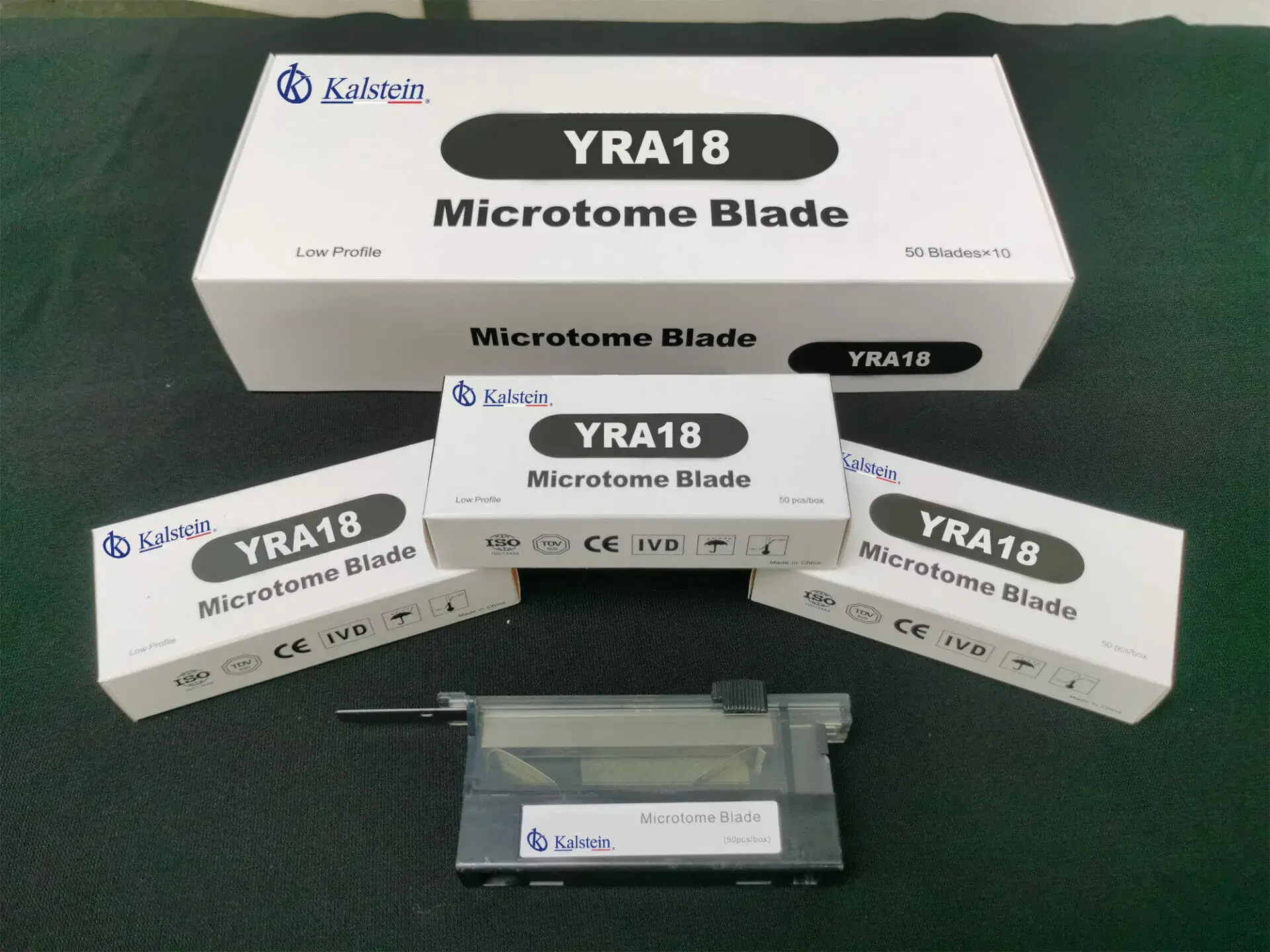
Energy sustainability in histopathology focuses on reducing energy consumption and waste throughout the laboratory processes. Key strategies include selecting high-quality consumables that are efficient in use and require minimal energy for operation. For instance, using products like the Disposable microtome blade (Low profile) YRA18-1 can lead to improved sample processing times, thereby reducing overall energy use in the lab environment.
Environmental Considerations for Histopathology Accessories
When assessing histopathology accessories, it is important to consider their entire lifecycle, from production to disposal. Accessories that are made with environmentally friendly materials and have minimal packaging contribute to less waste and a smaller carbon footprint. Utilizing products such as the Tissue embedding cassette YRA20-1 minimizes waste, as they are designed for efficient processing of tissue samples, thus improving overall lab sustainability.
Comparison of Available Models
| Model | Description | Price (USD) | Best Use Case |
|---|---|---|---|
| YRA18-1 | Disposable microtome blade (Low profile) | 10000.00 | Efficient cutting, reducing energy consumption |
| YRA19-1 | Disposable microtome blade (High profile) | 1600.00 | High precision for varied tissue types |
| YRA20-1 | Tissue embedding cassette | 252.00 | Efficient sample embedding, low waste |
| YRA21-1 | Plastic cassette with plastic cover | 144.00 | Reusable option, reduces single-use plastics |
| YRA33-2 | Paraffin block | 60.00 | Cost-effective, sustainable material for embedding |
| YRA33-3 | Granular paraffin | 60.00 | Efficient tissue processing with reduced waste |
Key Features of Sustainable Histopathology Accessories
The choice of histopathology accessories greatly influences the sustainability of laboratory practices. Features to consider include:
- Energy Efficiency: Look for products that require less energy for operation, such as low-profile microtome blades that reduce the cutting effort.
- Material Quality: Choose consumables that are made from recyclable or biodegradable materials to lessen landfill contributions.
- Waste Reduction: Select items designed for multiple uses or those that minimize waste generation during procedures.
Common Mistakes and How to Avoid Them
Laboratory professionals often encounter several common pitfalls when purchasing histopathology accessories:
- Ignoring Lifecycle Impact: Failing to consider the entire lifecycle of a product can lead to increased waste. Always evaluate the environmental impact of materials used.
- Overlooking Compatibility: Selecting accessories that are not compatible with existing laboratory equipment can waste resources. Ensure compatibility to avoid unnecessary waste.
- Neglecting Supplier Practices: Consider the sustainability practices of suppliers when sourcing consumables. Choosing suppliers committed to ethical manufacturing minimizes environmental impact.
Best Practices for Reducing Environmental Footprint
To further enhance sustainability in histopathology labs, consider implementing these best practices:
- Regular Training: Conduct training sessions on sustainable practices to ensure that all staff are aware of their impact on the environment.
- Efficient Inventory Management: Maintain optimal stock levels of consumables to prevent over-ordering and wastage.
- Collaboration with Eco-Friendly Suppliers: Work with suppliers who prioritize sustainability in their product offerings and practices.
Frequently Asked Questions
How much do sustainable histopathology accessories cost per unit?
Prices for sustainable histopathology accessories vary. For instance, the Disposable microtome blade (Low profile) YRA18-1 is priced at $10,000 for 250 units, whereas the Tissue embedding cassette YRA20-1 costs $252 for 9,000 pieces. Understanding unit costs helps manage budgets effectively.
Which microtome blades help reduce environmental impact in histopathology?
The Disposable microtome blade (Low profile) YRA18-1 and the Disposable microtome blade (High profile) YRA19-1 are designed for efficiency, thus minimizing energy consumption during use, contributing to lower environmental impact in histopathology labs.
What are the benefits of using reusable cassettes in histopathology?
Using reusable cassettes like the Plastic cassette with plastic cover YRA21-1 reduces single-use plastics, thus lessening waste in histopathology. They provide an environmentally friendly alternative while maintaining efficiency in sample processing.
How do histopathology accessories contribute to energy reduction?
Quality accessories like the Tissue embedding cassette YRA20-1 are designed to minimize waste and streamline processes, leading to reduced energy consumption. Efficient processing translates to less energy use in laboratory operations.
What features should I look for in sustainable histopathology accessories?
Look for accessories that offer energy efficiency, low waste generation, and high-quality materials. For example, selecting the paraffin block YRA33-2 can provide a sustainable solution for embedding processes, aligning with eco-friendly practices.
How can I assess the environmental impact of histopathology accessories?
Assessing environmental impact involves evaluating the materials used, waste generation, and energy consumption of accessories. Products like the granular paraffin YRA33-3 promote sustainability through efficient processes and reduced waste.
What training is needed for sustainable practices in histopathology labs?
Training should focus on the importance of sustainable practices, effective inventory management, and familiarity with eco-friendly products like the Disposable microtome blade (Low profile) YRA18-1. This ensures all staff contribute positively to environmental goals.
How can I ensure compatibility of histopathology accessories with existing equipment?
Verify that the dimensions and operational requirements of accessories like the Disposable microtome blade (High profile) YRA19-1 are compatible with current equipment. This prevents wastage and enhances laboratory efficiency.
If you are looking for a fusion of innovation and quality, you have come to the right place. At Kalstein, we offer you the luxury of exploring our exclusive catalog of laboratory equipment. We manufacture every device to the highest standards of excellence. Our intuitive and seamless online purchasing channels are designed for your convenience, securing the most competitive prices. Hesitate no longer — we bring science to life, it is time to become part of our community.