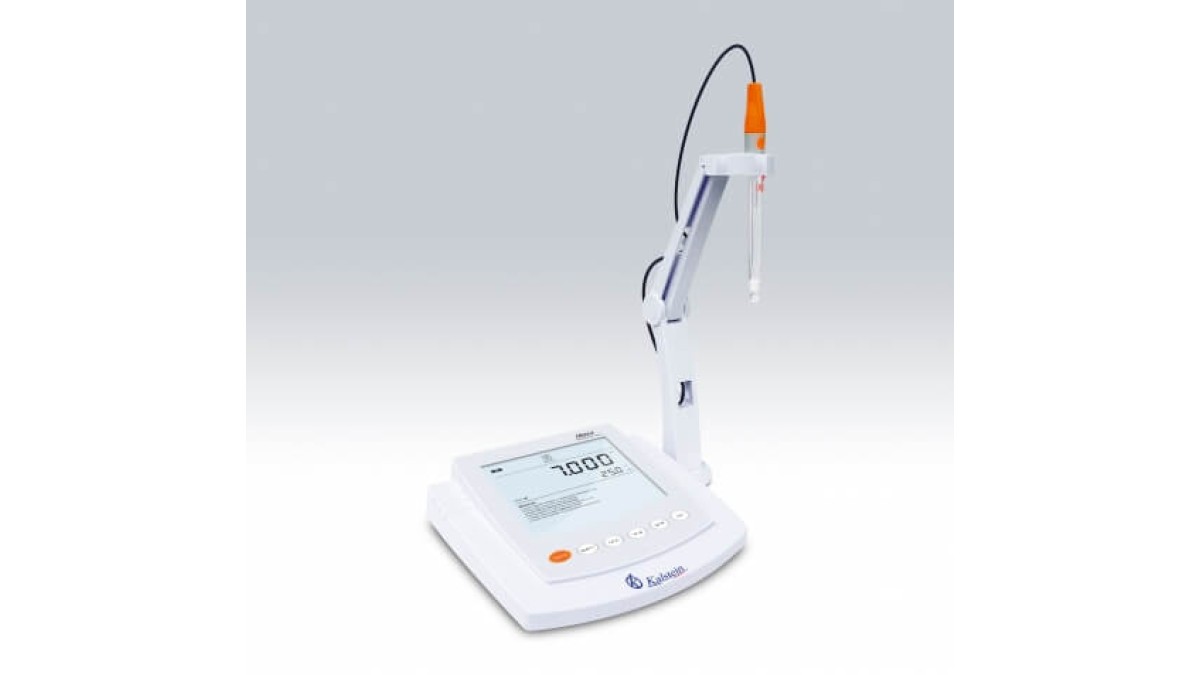
Table Conductivity Controllers: Common Mistakes and How to Avoid Them in Daily Operation 2026
What is it used for in 2026
In 2026, table conductivity controllers are essential instruments found in various laboratory settings. They are primarily utilized for measuring the electrical conductivity of liquids, which is crucial in applications such as water quality testing, chemical analysis, and biological studies. By providing real-time data on conductivity, these devices help professionals monitor the purity of solutions, assess contamination levels, and ensure optimal conditions for experiments.
History and evolution of the technology
The evolution of table conductivity controllers dates back to the early 20th century when the first conductivity meters were developed. Initially, these devices were bulky and less accurate, designed primarily for field use. Over the decades, advancements in microprocessor technology and sensor design have led to the development of compact, highly accurate table conductivity controllers. Today’s models feature automatic temperature compensation, multiple calibration points, and user-friendly interfaces, making them indispensable tools in modern laboratories.
How to use it step by step
Using a table conductivity controller involves several straightforward steps:
- Prepare the sample: Ensure the liquid sample is free from bubbles and contaminants.
- Calibrate the device: Follow the manufacturer's instructions to calibrate the conductivity meter using standard solutions.
- Set the parameters: Select the measurement mode (conductivity, TDS, or salinity) based on your application.
- Insert the electrode: Immerse the electrode in the sample, ensuring it is fully submerged.
- Record readings: Wait for the reading to stabilize before recording the conductivity value.
- Clean and store the meter: After use, clean the electrode as per guidelines and store the device properly.
Best techniques and protocols
To ensure accurate and reliable measurements, follow these best techniques and protocols:
- Regular calibration: Calibrate your conductivity meter at least once a week and before critical measurements.
- Use appropriate buffers: Always use fresh, certified calibration standards that are within the expected range of your samples.
- Temperature control: Measure samples at a constant temperature or use automatic temperature compensation features effectively.
- Minimize contamination: Use clean, dedicated containers for sample collection to avoid cross-contamination.
Practical applications by laboratory type
Table conductivity controllers find applications across various types of laboratories:
- Environmental laboratories: Used for monitoring water quality in rivers, lakes, and industrial discharges.
- Chemical laboratories: Assists in analyzing the conductivity of chemical solutions and reagents.
- Biological laboratories: Measures the growth media conductivity to ensure optimal conditions for cell cultures.
Regulations, standards and certifications
Compliance with industry standards is vital for laboratory operations. Most conductivity meters are required to meet ISO or ASTM standards for accuracy and reliability. Calibration procedures should align with these standards to ensure that results are valid and usable in regulated environments.
Comparison with alternative technologies
While table conductivity controllers are popular, alternatives like handheld conductivity meters and portable multi-parameter devices exist. Handheld meters are advantageous for fieldwork due to their portability but may lack the precision and features of bench-top models. In contrast, multi-parameter devices provide additional measurements but can be more complex to operate and calibrate.
Comparison of available models
| Model | Best for | Key specs | Recommended use case |
|---|---|---|---|
| YR01836-1 | General laboratory use | pH Range: -2.000 to 20.000 pH, Conductivity Range: 0.01 to 2000 µS/cm | Routine testing of pH and conductivity in laboratories. |
| YR01836 | Advanced applications | pH Range: -2 to 19.999 pH, Conductivity Range: 0 to 20 mS/cm | High-accuracy measurements with data storage functionality. |
| YR01829-1 | Classical laboratory tests | Conductivity Range: 0.01 to 2000 µS/cm | Perfect for daily monitoring of conductivity in routine experiments. |
| YR01829-2 | Standard laboratory testing | Conductivity Range: 0.01 to 20 mS/cm | Used in educational labs for teaching purposes. |
| YR01829 | Comprehensive analysis | pH Range: -1.999 to 19.999 pH, Conductivity Range: 0.00 to 20 mS/cm | For labs requiring extensive data collection and analysis. |
| YR01828 | Multi-parameter measurement | Conductivity Range: 0.00 to 2000 µS/cm, TDS Range: 0 to 100 g/L | Ideal for comprehensive environmental assessments. |
Common mistakes and how to avoid them
Common pitfalls when using table conductivity controllers include:
- Inadequate calibration: Ensure regular calibration to avoid inaccurate readings.
- Neglecting temperature effects: Always account for temperature variations or use devices with automatic temperature compensation.
- Ignoring maintenance: Regular cleaning and maintenance of electrodes are crucial for longevity and performance.
Maintenance, calibration and good practices 2026
To maintain optimal performance, conduct the following:
- Regularly check and calibrate the device with standard solutions.
- Clean the electrodes after each use to prevent contamination.
- Store the device according to the manufacturer’s guidelines to prolong its life.
Cost-benefit analysis 2026
Investing in a table conductivity controller can enhance laboratory efficiency and accuracy. While initial costs may seem high, the long-term benefits of precise measurements and reliable data justify the investment. The savings generated from reduced re-testing and improved quality control far outweigh the upfront costs.
Frequently asked questions
What should I consider when choosing a table conductivity controller?
Consider the range of measurements, calibration capabilities, and specific applications relevant to your laboratory needs. Additionally, assess the ease of use and features such as automatic temperature compensation.
How often should I calibrate my conductivity meter?
Calibration should be performed at least once a week or before significant measurements to ensure accuracy. If the device is used frequently or in varying conditions, more frequent calibration may be necessary.
Can I use the same conductivity meter for different liquids?
Yes, but ensure that the meter is appropriately cleaned between different samples to avoid cross-contamination. Some meters may also require recalibration depending on the liquid properties.
What is the importance of temperature compensation?
Temperature can significantly affect conductivity readings. Automatic temperature compensation adjusts measurements to ensure accuracy despite fluctuations in temperature.
How do I clean the electrodes of a conductivity meter?
Follow the manufacturer’s guidelines for cleaning. Generally, use a soft cloth and appropriate cleaning solutions. Avoid abrasive materials that could damage the electrodes.
What is the best practice for storing conductivity meters?
Store the device in a clean and dry environment, preferably in its original case. Ensure that the electrodes are properly protected and kept moist if required by the manufacturer.
If you are looking for a fusion of innovation and quality, you have come to the right place. At Kalstein, we offer you the luxury of exploring our exclusive catalog of laboratory equipment. We manufacture every device to the highest standards of excellence. Our intuitive and seamless online purchasing channels are designed for your convenience, securing the most competitive prices. Hesitate no longer — we bring science to life, it is time to become part of our community.