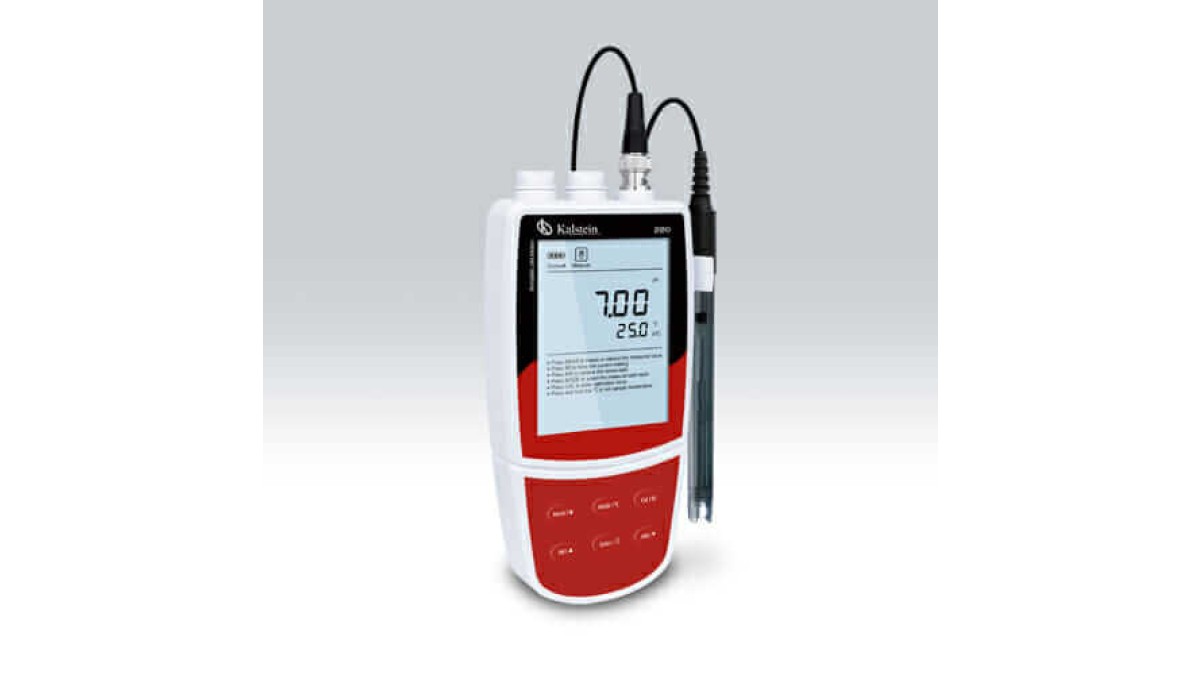
Table pH Meters: Practical Applications and Techniques 2026
Table pH meters are essential tools in various laboratory settings, offering precise measurements of pH levels critical for a wide range of applications. In 2026, these devices continue to evolve, integrating advanced technologies to enhance their functionality and user experience.
What is it used for in 2026
In 2026, table pH meters are employed in diverse settings including clinical laboratories, research environments, and educational institutions. They serve to measure the acidity or alkalinity of liquids, which is vital in processes such as:
- Quality control in food and beverage production
- Water quality analysis for environmental monitoring
- Pharmaceutical research and development
- Biological research in determining the viability of different biological materials
Additionally, they are crucial in educational laboratories for teaching students about chemical properties and reactions.
History and evolution of the technology
The evolution of pH meter technology began in the early 1930s. Initially, these instruments were large, cumbersome, and required extensive calibration. As technology advanced, the introduction of solid-state electrodes and digital displays transformed their usability and accuracy. By the 1990s, portable pH meters became available, making it easier for professionals to obtain measurements onsite.
In recent years, features such as automatic temperature compensation (ATC), data logging capabilities, and Bluetooth connectivity have been integrated into modern table pH meters, streamlining workflows and enhancing data management.
How to use it step by step
Using a table pH meter requires attention to detail and adherence to proper protocols to ensure accurate results. Here is a step-by-step guide:
- Preparation: Ensure that the meter is clean and properly calibrated. Rinse the electrode with distilled water to prevent contamination.
- Calibration: Calibrate the pH meter using appropriate buffer solutions. Follow the manufacturer’s instructions to ensure accuracy.
- Measurement: Immerse the electrode into the sample solution. Allow the reading to stabilize before recording the measurement.
- Cleaning: After measurement, rinse the electrode thoroughly and store it according to the manufacturer’s guidelines.
- Data Documentation: Record the measurements and any relevant observations for future reference.
Best techniques and protocols
To maximize the effectiveness of table pH meters, laboratory professionals should follow these best practices:
- Regularly calibrate the meter, ideally before each use or daily, depending on frequency of use.
- Utilize fresh buffer solutions for calibration to ensure accuracy.
- Store electrodes in suitable storage solutions to prolong their lifespan and maintain performance.
- Perform routine maintenance checks to identify any potential issues with the meter.
- Document all measurements systematically to maintain accurate records.
Practical applications by laboratory type
Different laboratory types utilize table pH meters for specific applications:
- Clinical Laboratories: Used to analyze patient samples for diagnostics, including blood and urine testing.
- Environmental Laboratories: Monitoring the pH of water samples for pollution control and compliance with regulations.
- Research Laboratories: Essential for experiments requiring precise pH levels, particularly in biochemistry and microbiology.
- Food and Beverage Laboratories: Used in quality control processes to ensure products meet safety and quality standards.
Regulations, standards and certifications
In 2026, compliance with various regulations and standards is crucial for laboratories using pH meters. These may include:
- ISO 9001 - Quality Management Systems
- FDA regulations for clinical laboratories
- Environmental Protection Agency (EPA) guidelines for water testing
Ensuring that table pH meters meet these standards is essential for accuracy and reliability in testing.
Comparison with alternative technologies
While table pH meters are prevalent, there are alternatives such as:
- Colorimetric pH indicators: Simple and inexpensive but less accurate than digital meters.
- pH test strips: Useful for quick tests but limited in precision and range.
- Ion-selective electrodes: More specialized but can measure specific ions and are often used in conjunction with pH meters.
Each alternative has its advantages and disadvantages, but for precision, table pH meters remain the preferred choice in most laboratory settings.
Comparison of available models
| Model | Best for | Key specs | Recommended use case |
|---|---|---|---|
| YR0220A | General pH measurement | Range: -2.00~20.00pH, Resolution: 0.01pH | Basic laboratory measurements and field work |
| YR01822 | Advanced laboratory applications | Range: -2.00~20.00pH, Auto calibration: 1-3 points | Clinical and environmental testing |
| YR01825 | High-resolution measurements | Range: -2.00~20.00pH, Touchscreen display | Research and development labs requiring high accuracy |
| YR01823-2 | Precision applications | Range: -2.000 to 20.000pH, 1-5 point calibration | Comprehensive studies in research environments |
| YR01823 | User-friendly operation | Range: -2.00~20.00pH, Color touchscreen | Educational and professional laboratories |
| YR01826 | Long-distance measurements | Range: -2~19.999pH, 5-inch LCD | Remote field testing and large scale water analysis |
Common mistakes and how to avoid them
Laboratory professionals often make several common mistakes when using table pH meters:
- Insufficient calibration: Regular calibration is essential to maintain accuracy. Always calibrate before use.
- Ignoring electrode care: Proper storage and maintenance of electrodes are crucial for their performance and longevity.
- Not rinsing the electrode: Always rinse the electrode before and after taking measurements to prevent contamination.
- Failing to document results: Keep accurate records of measurements to track trends and assist in troubleshooting.
Maintenance, calibration and good practices 2026
To ensure the longevity and reliability of table pH meters, adhere to the following maintenance practices:
- Calibrate the meter regularly using fresh buffer solutions.
- Store electrodes in appropriate storage solutions when not in use.
- Clean the electrode according to manufacturer recommendations to prevent buildup of contaminants.
- Check for software updates to ensure the meter operates efficiently with the latest features.
Cost-benefit analysis 2026
When considering the investment in table pH meters, weigh the costs against the benefits:
- Initial cost: Prices vary based on features and specifications. Budget for a model that meets your laboratory needs.
- Operational efficiency: Reliable measurements improve accuracy in research, saving time and resources.
- Long-term investment: High-quality meters can last several years with proper maintenance, making them cost-effective.
Overall, the benefits of accuracy, efficiency, and reliability often outweigh the initial costs associated with purchasing table pH meters.
Frequently asked questions
What is the best way to calibrate a table pH meter?
To calibrate a table pH meter, use fresh buffer solutions that bracket the expected pH range of your samples. Follow the manufacturer's instructions for the calibration process, ensuring that the meter is thoroughly rinsed between calibrations.
How often should I calibrate my pH meter?
Calibration frequency depends on usage; it is generally recommended to calibrate before each use or daily for high-frequency applications to ensure the accuracy of measurements.
What are the signs that my pH meter needs maintenance?
Indicators that your pH meter may need maintenance include inconsistent readings, sluggish response, or failure to calibrate correctly. Regular checks on the electrode and performance can help identify these issues.
Can pH meters measure temperature as well?
Many modern table pH meters come with automatic temperature compensation (ATC), which allows them to measure temperature alongside pH, ensuring accuracy in varying conditions.
What common errors should I avoid when using a pH meter?
Avoid common errors such as insufficient calibration, neglecting electrode care, and not rinsing the electrode before and after measurements to ensure accuracy and longevity.
How should I store my pH meter when not in use?
Store your pH meter according to the manufacturer's guidelines, typically in a protective case with the electrode in a storage solution to prevent drying out and damage.
Where can I find the best table pH meters for my laboratory?
For a selection of high-quality table pH meters tailored to your laboratory needs, you can request a quote on Kalstein Plus to explore your options.
If you are looking for a fusion of innovation and quality, you have come to the right place. At Kalstein, we offer you the luxury of exploring our exclusive catalog of laboratory equipment. We manufacture every device to the highest standards of excellence. Our intuitive and seamless online purchasing channels are designed for your convenience, securing the most competitive prices. Hesitate no longer — we bring science to life, it is time to become part of our community.