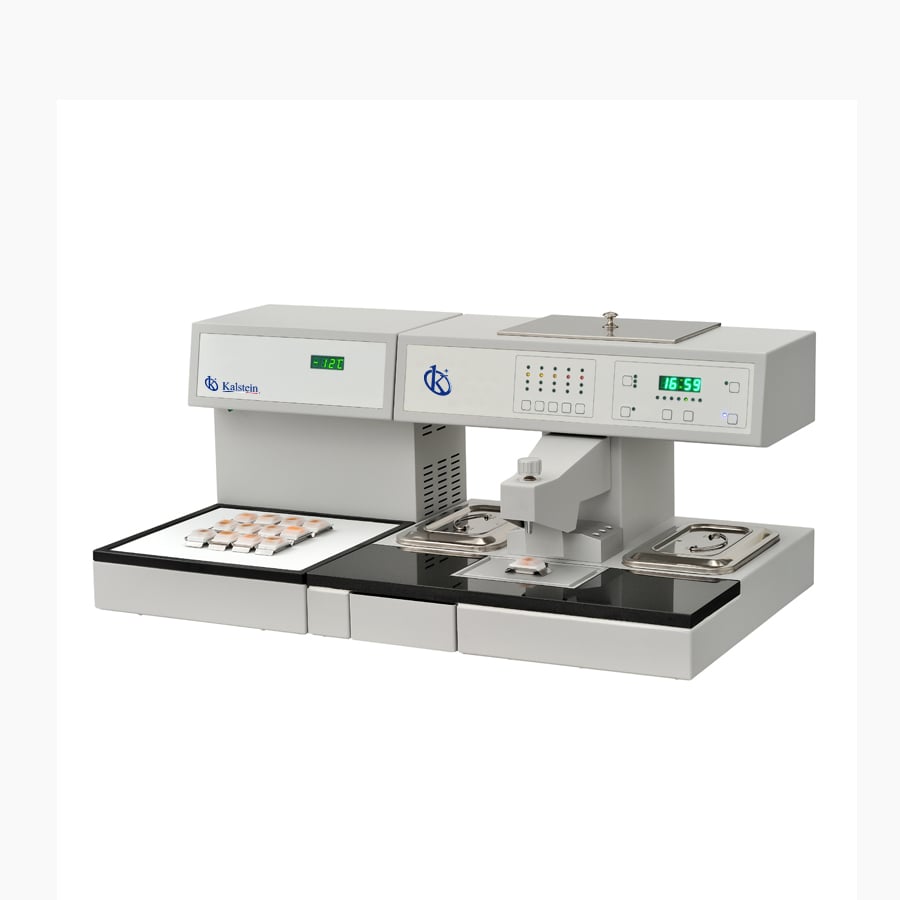
Tissue Embedding Systems: Practical Guide for Usage in 2026
What is it used for in 2026
Tissue embedding systems are critical tools in histology and pathology laboratories, used to prepare tissue samples for microscopic examination. They facilitate the infiltration of tissue with a medium, most commonly paraffin, which allows for the creation of thin sections that can be mounted on slides for analysis. In 2026, the need for precise and efficient tissue embedding processes is heightened by advancements in diagnostic techniques and personalized medicine. These systems ensure high-quality sample preparation that supports accurate diagnosis, research, and therapeutic decision-making.
History and evolution of the technology
The technology behind tissue embedding systems has evolved significantly over the decades. Initially, embedding was a manual process involving simple heating and cooling techniques. As laboratory needs grew, so did the complexity of the systems. Modern tissue embedding systems are now equipped with programmable features, precise temperature control, and user-friendly interfaces. The introduction of digital controls and automation has revolutionized the speed and accuracy of tissue processing, making it a crucial aspect of contemporary histological practice.
How to use it step by step
Using a tissue embedding system involves several key steps to ensure optimal results. As a laboratory professional, follow these steps:
- Sample Preparation: Ensure that your tissue samples are adequately fixed and dehydrated before embedding.
- Paraffin Infiltration: Place the samples in the embedding system chamber with molten paraffin at the recommended temperature.
- Embedding: Adjust the system settings as needed, and initiate the embedding process by starting the automatic program.
- Cooling: Allow the embedded samples to cool down and solidify, usually facilitated by the cooling functions in the embedding system.
- Sectioning: Once solidified, use a microtome to cut thin sections of the embedded tissue for slide preparation.
- Staining: Finally, stain the sections for microscopic analysis.
Best techniques and protocols
Implementing best practices during tissue embedding is essential for high-quality outcomes. Key techniques include:
- Temperature Control: Maintain the paraffin at the correct temperatures (generally between 55°C to 70°C) to ensure proper infiltration.
- Vacuum Settings: Utilize vacuum settings to eliminate air bubbles that can compromise tissue quality.
- Timed Infiltration: Follow protocol timings to ensure complete paraffin infiltration, typically lasting several hours depending on tissue type.
- Regular Calibration: Regularly calibrate the equipment to ensure that temperature and timing settings remain accurate.
Practical applications by laboratory type
Tissue embedding systems find application across various laboratory settings, including:
- Histology Labs: Used for preparing tissue samples for histopathological examination.
- Research Facilities: Essential in academic and industrial research for studying tissue morphology and pathology.
- Clinical Diagnostics: Critical for embedding tissue samples in clinical labs which support patient diagnostics.
- Veterinary Medicine: Used for preparing animal tissue samples for pathological evaluation.
Regulations, standards and certifications
In 2026, laboratories utilizing tissue embedding systems must adhere to specific regulations and certifications, including:
- ISO Standards: Compliance with ISO 15189 for medical laboratories that ensure quality management.
- Health and Safety Regulations: Adherence to Occupational Safety and Health Administration (OSHA) guidelines to ensure a safe working environment.
- CE Marking: For equipment used in EU countries, CE marking indicates conformity with health and safety standards.
Comparison with alternative technologies
When comparing tissue embedding systems to alternative technologies such as cryoembedding or resin embedding, several factors should be considered. While cryoembedding is beneficial for preserving enzyme activity and morphology, tissue embedding systems offer greater flexibility and ease of use for standard histopathological processes. Resin embedding may provide superior detail for ultrastructural studies but requires more extensive processing times and chemical handling. Thus, tissue embedding systems remain the preferred choice for routine embedding due to their efficiency and user-friendly operation.
Comparison of available models
| Model | Best for | Key specs | Recommended use case |
|---|---|---|---|
| YR441 | Flexibility in processing | Temperature range: 55-70℃; Chamber capacity: 3 liters | Routine embedding across various tissues |
| YR447 | High temperature control | Temperature range: RT-85℃; Chamber capacity: 4 liters | Complex samples requiring precise temperature management |
| YR439 | Compact design | Temperature range: 55-70℃; Chamber capacity: 3 liters | Laboratories with limited space needing efficient processing |
| YR445 | Enhanced sample capacity | Temperature range: RT-85℃; Chamber capacity: 4 liters | High-throughput labs needing quick turnaround |
| YR439-1 | Automated features | Temperature range: ≥-85℃; Chamber capacity: 6 liters | Labs focused on automation and efficiency |
| YR440B | Tissue preservation | Temperature range: 0 to -20℃ | Labs focused on preserving tissue viability |
Common mistakes and how to avoid them
Laboratory professionals often encounter common pitfalls when using tissue embedding systems, including:
- Inadequate Heating: Failing to preheat the paraffin can lead to improper sample infiltration. Always ensure the paraffin is at the correct temperature before embedding.
- Neglecting Maintenance: Skipping regular maintenance can affect system performance. Implement a scheduled maintenance routine for optimal operation.
- Incorrect Timing: Not adhering to prescribed infiltration times can result in incomplete embedding. Use timers and follow protocols meticulously.
Maintenance, calibration and good practices 2026
Regular maintenance and calibration are essential for ensuring accurate performance of tissue embedding systems. Key practices include:
- Regular Cleaning: Clean the system regularly to prevent paraffin build-up and contamination.
- Calibration Checks: Conduct calibration checks monthly to ensure temperature accuracy and system functionality.
- Documentation: Maintain a log of all maintenance activities and calibration results for compliance and quality assurance.
Cost-benefit analysis 2026
The investment in a tissue embedding system can yield significant benefits for laboratories, including:
- Increased Efficiency: Automating embedding processes enhances workflow efficiency and reduces manual labor costs.
- Improved Sample Quality: High-quality samples result in better diagnostic accuracy, positively affecting patient outcomes.
- Long-term Savings: Although initial costs may be high, the durability and reliability of these systems lead to savings over time through reduced waste and increased productivity.
Frequently asked questions
What factors should I consider when choosing a tissue embedding system?
When selecting a tissue embedding system, consider the volume of samples processed, required temperature ranges, ease of use, and available features such as automation and programmability.
How can I ensure the best results with tissue embedding?
To achieve optimal results, ensure proper sample preparation, maintain equipment regularly, and adhere to established protocols for temperature and timing.
What common maintenance tasks should I perform?
Regular maintenance tasks include cleaning the system, checking temperature calibration, and inspecting components for wear and tear.
Can a tissue embedding system be used for all types of tissues?
Yes, tissue embedding systems are versatile and can be used for various types of tissues, but protocols may vary based on specific tissue characteristics.
How do I troubleshoot common issues with the embedding process?
Common issues can often be resolved by checking for proper temperature settings, ensuring that paraffin is adequately heated, and verifying that the infiltration time is adhered to.
Are there any special considerations for automated embedding systems?
Automated systems require specific programming and routine checks to ensure that they function correctly and maintain the desired parameters throughout the embedding process.
Where can I request a quote for a tissue embedding system?
You can request a quote for a tissue embedding system by contacting our sales team through our inquiry form.
If you are looking for a fusion of innovation and quality, you have come to the right place. At Kalstein, we offer you the luxury of exploring our exclusive catalog of laboratory equipment. We manufacture every device to the highest standards of excellence. Our intuitive and seamless online purchasing channels are designed for your convenience, securing the most competitive prices. Hesitate no longer — we bring science to life, it is time to become part of our community.