Tissue Flotation: Common Mistakes and How to Avoid Them in Daily Operation 2026
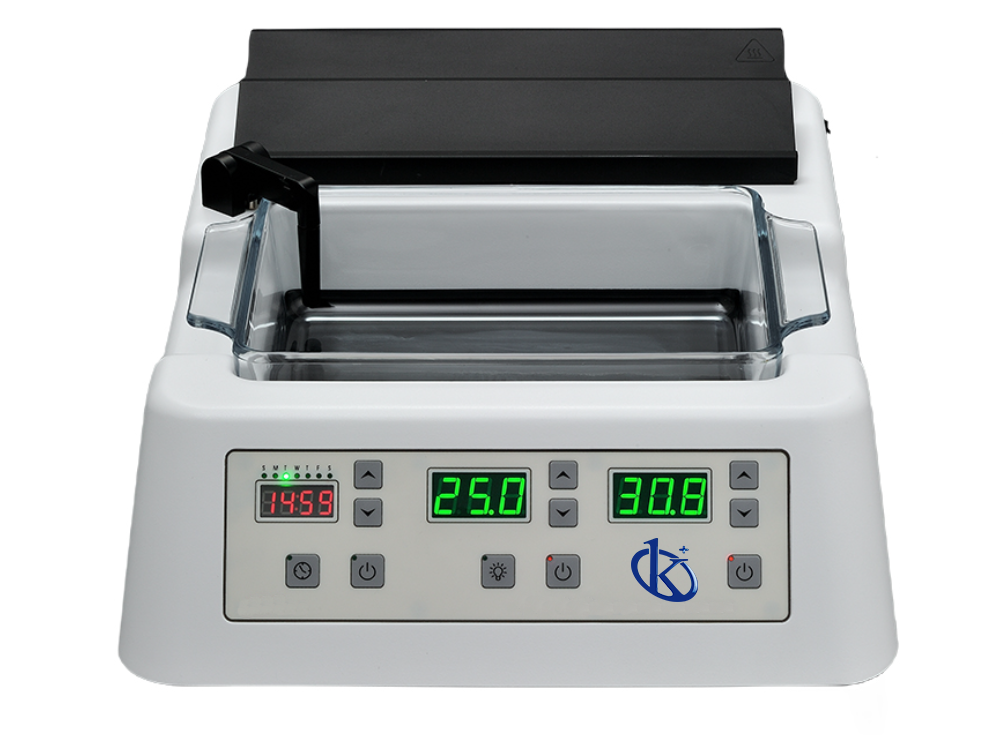
Tissue flotation is a crucial technique used in pathological anatomy, particularly for preparing samples for microscopic examination. The equipment in this family, such as water baths and slide dryers, plays a vital role in ensuring that tissue samples are properly floated, dried, and prepared for analysis. This article delves into the applications, best practices, and common mistakes associated with tissue flotation in 2026.
What is it used for in 2026
Tissue flotation is primarily used in histology labs for preparing tissue specimens for microscopic examination. By utilizing a flotation workstation, laboratory professionals can effectively manage the floating and drying processes of tissue samples, ensuring optimal preservation and presentation. This process is critical for maintaining the integrity of samples, allowing for accurate diagnosis and research outcomes.
History and evolution of the technology
The technology of tissue flotation has evolved significantly over the years. Initially, simple water baths were used, which required manual monitoring of temperatures and the floating process. However, advancements in technology have led to the development of sophisticated workstations like the YR456 and YR457 models. These modern devices feature programmable temperature controls, digital displays, and automated memory functions, enhancing precision and ease of use.
How to use it step by step
Using a tissue flotation workstation involves several key steps:
- Preparation: Ensure the workstation is clean and all necessary materials are at hand, including slides and tissue samples.
- Temperature Setup: Turn on the workstation and set the desired water bath and slide dryer temperatures according to your protocol.
- Sample Placement: Carefully place the tissue samples into the water bath, ensuring they are fully submerged.
- Monitoring: Use the digital display to monitor temperature and other parameters throughout the process.
- Drying: Once floating is complete, transfer samples to the slide dryer for the required duration.
- Final Check: Inspect the dried slides before proceeding with staining or analysis.
Best techniques and protocols
To achieve the best results in tissue flotation, consider the following techniques and protocols:
- Regular calibration of temperature controls.
- Use of high-quality slides to prevent sample loss.
- Consistent monitoring of water quality in the bath.
- Adherence to established protocols for each type of tissue being processed.
Practical applications by laboratory type
Diverse laboratories utilize tissue flotation techniques, including:
- Research Laboratories: For specimen preparation in various research studies.
- Clinical Laboratories: Used in diagnostics for accurate identification of diseases.
- Educational Institutions: Teaching histology techniques to students.
Regulations, standards and certifications
Laboratories must adhere to specific regulations and standards regarding tissue flotation operations. Compliance with international standards such as ISO and guidance from organizations like the American National Standards Institute (ANSI) is essential for maintaining quality and safety in laboratory practices.
Comparison with alternative technologies
While tissue flotation workstations are essential, alternative technologies such as microwave-assisted processing and manual flotation techniques may also be utilized. However, these alternatives often lack the precision and efficiency that modern flotation workstations provide.
Comparison of available models
| Model | Best for | Key specs | Recommended use case |
|---|---|---|---|
| YR457-1 | Comprehensive tissue preparation | Temperature range: RT - 70℃; Power: 400W | Best for labs requiring automatic memory functions for efficiency. |
| YR456 | Real-time temperature monitoring | Temperature range: RT - 100℃; Power: 800W | Ideal for labs needing consistent temperature control. |
| YR457 | Efficient drying process | Temperature range: RT - 70℃; Power: 900W | Best for facilities focusing on high-throughput processing. |
Common mistakes and how to avoid them
Laboratory professionals often encounter common mistakes in tissue flotation operations, including:
- Improper temperature settings: Always ensure accurate temperature readings and settings before operation.
- Neglecting maintenance: Regularly clean and calibrate equipment to maintain performance.
- Inconsistent sample handling: Follow standard protocols for handling and placing samples to avoid contamination.
Maintenance, calibration and good practices 2026
To ensure longevity and performance of tissue flotation workstations, adhere to these maintenance practices:
- Scheduled cleaning of water baths and slide trays.
- Routine calibration checks of temperature controls.
- Regularly updating software where applicable.
Cost-benefit analysis 2026
Investing in a tissue flotation workstation offers numerous benefits, including increased efficiency, improved accuracy, and enhanced sample integrity. When comparing direct costs against the long-term benefits, most facilities find that the investment pays off through improved laboratory workflows and better diagnostic outcomes.
Frequently asked questions
What factors should I consider when choosing a tissue flotation workstation?
Consider the temperature range, power consumption, size of the water bath, and the specific features like automatic memory functions and digital displays to meet your lab's needs.
How can I ensure the accuracy of the temperature settings?
Regular calibration and maintenance of the devices are critical for maintaining temperature accuracy. Always check the readings against a calibrated thermometer before starting operations.
What common mistakes should I avoid in daily operations?
Avoid neglecting cleaning routines, using incorrect temperature settings, and mishandling samples, as these can lead to compromised results.
How often should maintenance be performed?
Maintenance should be performed regularly, ideally on a monthly basis, to ensure optimal operation and longevity of the equipment.
Can tissue flotation workstations be used for different types of samples?
Yes, most tissue flotation workstations can accommodate various types of biological samples, but it's crucial to adjust settings according to the specific requirements of each sample type.
How do I integrate new tissue flotation techniques into my lab?
Start by training staff on new protocols, and gradually implement new techniques while monitoring results to ensure smooth integration into existing workflows.
If you are looking for a fusion of innovation and quality, you have come to the right place. At Kalstein, we offer you the luxury of exploring our exclusive catalog of laboratory equipment. We manufacture every device to the highest standards of excellence. Our intuitive and seamless online purchasing channels are designed for your convenience, securing the most competitive prices. Hesitate no longer — we bring science to life, it is time to become part of our community.