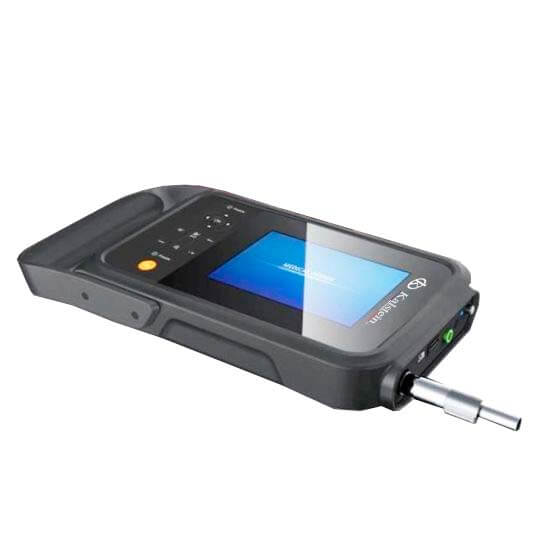
Ultrasonic Diagnostic Equipment: Practical Applications and Techniques 2026
Ultrasonic diagnostic equipment has revolutionized the field of medical imaging, offering unparalleled accuracy and versatility in clinical and hospital laboratories. As we move into 2026, understanding the practical applications of these devices is crucial for laboratory professionals who seek to enhance their workflows and patient outcomes. This article aims to explore the various uses of ultrasonic diagnostic equipment, its historical evolution, step-by-step usage, best practices, and much more.
What is it used for in 2026
Ultrasonic diagnostic equipment is primarily used for non-invasive imaging in a variety of medical fields, including obstetrics, gynecology, cardiology, urology, and vascular studies. Its real-time imaging capabilities allow clinicians to visualize organs, assess blood flow, and monitor fetal development, making it an essential tool for diagnostic procedures. In 2026, the versatility of these devices enables them to cater to diverse clinical needs, from routine check-ups to complex diagnostic assessments.
History and evolution of the technology
The use of ultrasound technology dates back to the early 20th century, originally developed for military applications such as sonar. Over the decades, advancements in ultrasound technology have transformed it into a pivotal diagnostic tool in healthcare. The evolution has seen the transition from basic two-dimensional imaging to advanced three-dimensional and four-dimensional imaging capabilities. Today, ultrasonic diagnostic equipment is equipped with sophisticated software that enhances image quality and provides automated reporting, significantly improving diagnostic accuracy.
How to use it step by step
Using ultrasonic diagnostic equipment requires a systematic approach to ensure accurate imaging and effective diagnosis. Here is a step-by-step guide:
- Preparation: Ensure that the equipment is properly calibrated and the necessary software is installed. Check the battery level if using portable models.
- Patient Preparation: Inform the patient about the procedure, ensuring they are comfortable. Depending on the type of examination, they may need to drink water to fill their bladder.
- Positioning the Patient: Position the patient appropriately on the examination table, usually lying on their back, to facilitate access to the area being examined.
- Applying Gel: Apply a suitable ultrasound gel to the skin to eliminate air between the probe and the skin, which can interfere with image quality.
- Selecting the Probe: Choose the appropriate probe based on the examination type. Convex probes are typically used for abdominal scans, while linear probes are ideal for vascular studies.
- Adjusting Settings: Adjust the equipment settings, including gain and depth, to optimize image quality based on the patient's body type and the area of interest.
- Capturing Images: Begin the imaging process, moving the probe systematically to capture necessary images and video loops for analysis.
- Documentation: Save the images and reports generated by the equipment and provide the necessary information to the referring physician.
- Post-Procedure Care: Clean the probe and the patient’s skin, ensuring they are comfortable before discharging them.
Best techniques and protocols
To maximize the effectiveness of ultrasonic diagnostic equipment, adhering to established techniques and protocols is crucial:
- Optimal Patient Positioning: Proper positioning can significantly impact image quality and diagnostic accuracy.
- Regular Calibration: Ensure the equipment is calibrated regularly to maintain the accuracy of measurements and imaging.
- Use of Doppler Ultrasound: Utilize Doppler techniques to assess blood flow, providing critical information in vascular studies.
- Image Optimization: Adjust settings like depth and gain frequently during the examination for the best visualization.
- Continuous Education: Stay updated with the latest advancements and training in ultrasound techniques to improve diagnostic capabilities.
Practical applications by laboratory type
Ultrasonic diagnostic equipment finds application across various laboratory types:
Clinical Laboratories
In clinical laboratories, ultrasound is utilized for a range of applications, including abdominal imaging, cardiac assessments, and obstetric examinations. The ability to provide immediate results allows clinicians to make timely decisions regarding patient care.
Veterinary Laboratories
Veterinary ultrasound systems are essential in diagnosing conditions in animals. For example, the Veterinary Ultrasound with Professional Rectal Probe YR05146 is tailored for veterinary use, offering specialized software and ergonomic design for ease of use.
Research Laboratories
In research settings, ultrasound is used for studies involving biological processes, tissue characterization, and the development of new imaging techniques. Its non-invasive nature makes it an ideal choice for experimental work.
Regulations, standards and certifications
Ultrasonic diagnostic equipment is subject to stringent regulations and standards to ensure patient safety and effectiveness. It is crucial for laboratory professionals to be aware of the following:
- FDA Approval: In the United States, ultrasound devices must be FDA-approved and adhere to safety and efficacy standards.
- ISO Certifications: Compliance with international standards such as ISO 13485 is essential for manufacturers of medical devices.
- Regular Audits: Laboratories must undergo regular audits to ensure compliance with standards and protocols in the use of ultrasound equipment.
Comparison with alternative technologies
While ultrasonic diagnostic equipment is widely used, it is essential to understand how it compares with alternative imaging technologies such as MRI and CT scans:
- Non-Invasiveness: Ultrasound is less invasive compared to CT and MRI, making it a preferred choice for many diagnostic procedures.
- Cost-Effectiveness: Ultrasound equipment generally costs less than MRI and CT machines, contributing to its widespread adoption in various healthcare settings.
- Speed: Ultrasound imaging can be performed quickly, providing immediate results, whereas MRI and CT scans may require longer times and more complex procedures.
Comparison of available models
| Model | Best for | Key specs | Recommended use case |
|---|---|---|---|
| YR05146 | Veterinary diagnostics | Weight: 0.5 kg, 1024 images storage | Use in veterinary clinics for imaging and diagnostics |
| YR05147 | 3D/4D obstetric imaging | 15" LED monitor, 2 USB ports | Ideal for obstetric and gynecological examinations |
| YR05154 | Convex probe imaging | Price: $850.00 | General diagnostic use |
| YR05154-1 | Tablet-based diagnostics | Price: $1150.00 | Portable and easy to use for field diagnostics |
| YR05155 | Linear probe imaging | Price: $950.00 | Optimal for vascular imaging |
| YR05155-1 | Tablet-based linear diagnostics | Price: $1190.00 | Portable option for linear imaging applications |
Common mistakes and how to avoid them
Common mistakes in using ultrasonic diagnostic equipment can lead to inaccurate results. Here are some pitfalls to avoid:
- Inadequate Patient Preparation: Ensure that patients are adequately prepared for the procedure to obtain the best imaging results.
- Neglecting Equipment Calibration: Regularly calibrate your equipment to maintain accuracy.
- Ignoring Artifacts: Pay attention to image artifacts that may result from improper probe positioning or inadequate gel application.
Maintenance, calibration and good practices 2026
To ensure optimal performance of ultrasonic diagnostic equipment, adhere to the following maintenance and calibration practices:
- Regular Cleaning: Clean the probes and equipment after each use to prevent cross-contamination.
- Scheduled Calibration: Establish a routine for calibration checks in accordance with manufacturer recommendations.
- Software Updates: Regularly update the software to benefit from new features and performance enhancements.
Cost-benefit analysis 2026
Investing in ultrasonic diagnostic equipment offers significant cost benefits for clinical settings.
- Initial Investment: While the initial cost can be high, the overall savings from reduced referral rates for advanced imaging can outweigh this cost.
- Operational Costs: Ultrasound procedures generally have lower operational costs compared to CT and MRI scans.
- Patient Satisfaction: The ability to provide immediate results enhances patient satisfaction and trust in the laboratory.
Frequently asked questions
What factors should I consider when choosing an ultrasonic diagnostic device?
Consider factors such as the intended applications (e.g., obstetric, vascular), device portability, image quality, software capabilities, and budget constraints when choosing an ultrasonic diagnostic device.
How often should ultrasonic equipment be calibrated?
Ultrasonic equipment should be calibrated regularly, typically every 6 to 12 months, or more frequently if there are concerns about performance or after significant changes in usage conditions.
What are the key features to look for in portable ultrasonic equipment?
Look for lightweight designs, battery life, connectivity options (like USB), ease of use, and the availability of specialized software for different medical applications.
Can ultrasonic devices be used in emergency situations?
Yes, portable ultrasonic devices are highly effective in emergency situations due to their rapid imaging capabilities and ease of transport, making them invaluable in critical care.
What is the importance of training in using ultrasonic diagnostic equipment?
Training is essential to ensure that operators are familiar with the device's functionalities, imaging techniques, and best practices, ultimately enhancing the quality of patient care.
How do I ensure proper maintenance of ultrasonic diagnostic equipment?
Proper maintenance includes regular cleaning, adherence to calibration schedules, software updates, and routine performance checks to maintain high diagnostic standards.
If you are looking for a fusion of innovation and quality, you have come to the right place. At Kalstein, we offer you the luxury of exploring our exclusive catalog of laboratory equipment. We manufacture every device to the highest standards of excellence. Our intuitive and seamless online purchasing channels are designed for your convenience, securing the most competitive prices. Hesitate no longer — we bring science to life, it is time to become part of our community.