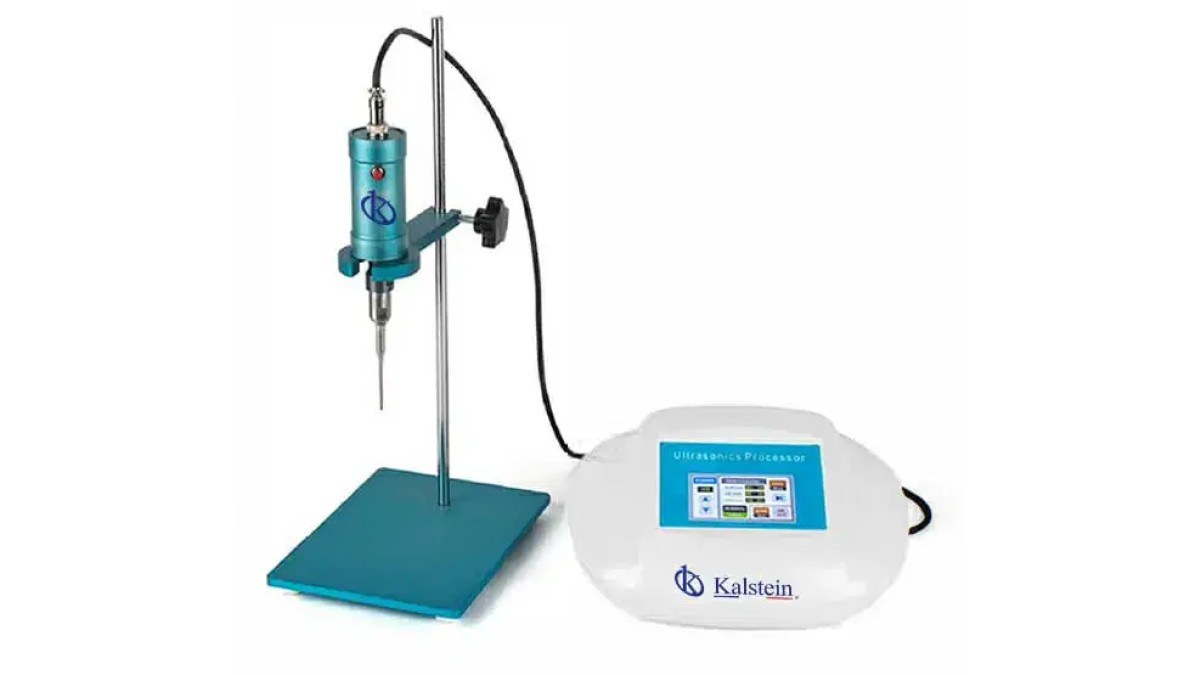
Ultrasonic Homogenizers: Practical Applications and Techniques 2026
What is it used for in 2026
In 2026, ultrasonic homogenizers are primarily used for the effective processing of liquids in various laboratory settings. These devices use high-frequency sound waves to create cavitation bubbles in a liquid, which collapse violently, leading to the disruption and homogenization of materials. Applications include cell disruption, emulsification, extraction, and particle size reduction. Industries such as pharmaceuticals, food and beverage, and biotechnology utilize these systems for their efficiency and precision.
History and evolution of the technology
The use of ultrasonic technology dates back to the early 20th century, originally employed in sonar and marine navigation. Over the decades, its applications expanded into various fields, including materials science and biology. With advancements in electronic components and digital controls, modern ultrasonic homogenizers have become more sophisticated, offering features such as programmable protocols, enhanced reliability, and better user interfaces. By 2026, the technology continues to evolve, with innovations in transducer materials and software integration.
How to use it step by step
Using an ultrasonic homogenizer involves several key steps:
- Preparation: Gather the samples to be processed and ensure that they are in suitable containers for ultrasonic treatment.
- Setup: Connect the ultrasonic probe to the generator and adjust the parameters such as power, frequency, and duration based on the material.
- Calibration: Calibrate the device as per the manufacturer's instructions to ensure optimal functioning.
- Processing: Immerse the probe in the sample and start the homogenization process while monitoring the temperature and other relevant parameters.
- Post-Processing: After treatment, remove the probe, clean it thoroughly, and analyze the homogenized sample.
Best techniques and protocols
Effective homogenization depends on the correct application of techniques. Some best practices include:
- Using pulsed ultrasonic waves to minimize overheating.
- Choosing the appropriate probe size based on sample volume.
- Optimizing the amplitude settings to balance efficiency and product integrity.
- Performing trials to establish the ideal processing time for specific applications.
- Regularly validating the results to ensure consistency in sample quality.
Practical applications by laboratory type
Different types of laboratories utilize ultrasonic homogenizers for various applications:
- Pharmaceutical Laboratories: Used for drug formulation, extraction of active ingredients, and nanoparticles dispersion.
- Food and Beverage Laboratories: Employed for emulsification of sauces, homogenizing dairy products, and extracting flavors.
- Biotechnology Laboratories: Important for cell lysis, DNA/RNA extraction, and preparation of cell cultures.
- Environmental Laboratories: Utilized for sample preparation for analysis of pollutants and contaminants.
Regulations, standards and certifications
Laboratories using ultrasonic homogenizers must adhere to various regulations and standards to ensure safety and efficacy. Key regulations include:
- ISO 13485 for medical devices, ensuring quality management.
- FDA guidelines for laboratory equipment used in drug manufacturing.
- Good Laboratory Practice (GLP) standards for testing methods and quality assurance.
Comparison with alternative technologies
Ultrasonic homogenizers serve as a superior choice compared to other homogenization techniques, such as mechanical homogenizers and bead mills. The key differences include:
- Efficiency: Ultrasonic homogenizers provide faster processing times with less energy consumption.
- Precision: They achieve more uniform particle sizes than traditional methods.
- Versatility: They can process a wider variety of samples, including delicate biological materials.
Comparison of available models
| Model | Best for | Key specs | Recommended use case |
|---|---|---|---|
| YR05829 | Cell disruption and emulsification | 5-150 W, 19-25 KHz, 0.1-50 ml capacity | Biotechnology applications involving cell lysis. |
| YR05830 | Homogenization and extraction | 5-250 W, 19-25 KHz, 0.5-100 ml capacity | Pharmaceutical applications for extracting compounds. |
| YR05831 | Particle size reduction | 5-400 W, 19-25 KHz, 0.5-300 ml capacity | Environmental analysis and sample preparation. |
| YR05831-op1 | Versatile lab applications | 5-400 W, 19-25 KHz, 0.5-300 ml capacity | General laboratory use, including emulsification. |
| YR05831-op2 | Cost-effective solutions | 5-400 W, 19-25 KHz, 0.5-300 ml capacity | Ideal for small labs or budget-friendly setups. |
| YR05832 | Advanced emulsification | 650 W max, 20-25 KHz, 0.2-500 ml capacity | Food and beverage applications for emulsifying liquids. |
Common mistakes and how to avoid them
When using ultrasonic homogenizers, some common mistakes include:
- Neglecting calibration: Always calibrate the device before use to ensure accuracy.
- Incorrect sample volume: Using inappropriate volumes can lead to ineffective treatment; always adhere to recommended volumes.
- Overheating: Monitor temperature during processing to avoid damaging sensitive samples.
Maintenance, calibration and good practices 2026
Regular maintenance of ultrasonic homogenizers is crucial for optimal performance. Recommendations include:
- Clean probes and containers thoroughly after each use.
- Follow the manufacturer's guidelines for calibration schedules.
- Inspect for wear and tear to prevent contamination and maintain efficiency.
Cost-benefit analysis 2026
The cost of ultrasonic homogenizers varies widely based on features and capabilities. However, the benefits often outweigh the initial investment:
- Reduced processing times lead to increased productivity.
- Higher quality results improve the reliability of experimental outcomes.
- Versatility allows for a range of applications, reducing the need for multiple devices.
Frequently asked questions
What is the ideal sample volume for ultrasonic homogenizers?
The ideal sample volume depends on the specific model and application. Generally, it is recommended to follow the manufacturer's guidelines for each model to achieve optimal results.
How do I prevent overheating during the homogenization process?
To prevent overheating, monitor temperature continuously during processing and utilize pulse mode if available. Additionally, consider using intermittent operation to allow cooling periods.
Can ultrasonic homogenizers be used for both solid and liquid samples?
Yes, ultrasonic homogenizers are suitable for both solid and liquid samples, making them versatile tools for various applications, including cell disruption and emulsification.
How often should I calibrate my ultrasonic homogenizer?
Calibration frequency typically depends on the usage rate and manufacturer recommendations. Regular checks are advisable, especially before critical experiments.
What are the safety precautions when using ultrasonic homogenizers?
Always wear appropriate personal protective equipment, including goggles and gloves. Ensure the device is properly maintained and operated in a safe environment away from direct contact with the probe.
Are there specific cleaning protocols for ultrasonic homogenizers?
Yes, it is essential to clean the probes and containers thoroughly after each use to prevent cross-contamination and ensure the longevity of the equipment.
How can I request a quote for an ultrasonic homogenizer?
You can easily request a quote by contacting our sales team through our website or by reaching out directly to our office. We will provide you with detailed pricing and options tailored to your needs.
If you are looking for a fusion of innovation and quality, you have come to the right place. At Kalstein, we offer you the luxury of exploring our exclusive catalog of laboratory equipment. We manufacture every device to the highest standards of excellence. Our intuitive and seamless online purchasing channels are designed for your convenience, securing the most competitive prices. Hesitate no longer — we bring science to life, it is time to become part of our community.