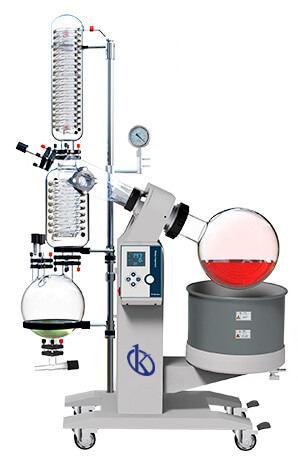
Understanding Measurement Interpretation with the YR02309-op Vacuum Pump
The YR02309-op vacuum pump is a critical piece of equipment in various laboratory settings, providing essential support for processes requiring precise vacuum conditions. This article will delve into how to interpret the results and readings from this model, covering essential techniques, common misinterpretations, and practical examples to help users optimize their use of the YR02309-op.
Technical Specifications of the YR02309-op
| Model | Brand | Category | Price (USD) | Weight (kg) | Dimensions | Package Dimensions (cm) |
|---|---|---|---|---|---|---|
| YR02309-op | Kalstein | Rotary Evaporator | 836.95 | 47 | x x | 55 x 47 x 103 |
Interpreting Results from the YR02309-op
As you operate the YR02309-op vacuum pump, understanding the results it produces is essential for proper utilization. The readings can indicate various conditions such as vacuum level, temperature, and flow rates. Each of these metrics plays a significant role in determining the success of your processes.
This section will outline the key units of measurement, normal ranges for the readings, and how to effectively read the display and printouts. Users should be familiar with the expected values under standard operating conditions to identify anomalies in the data.
Common Misinterpretations and How to Avoid Them
Misreading results can lead to significant operational errors. For instance, confusion between pressure readings (mmHg vs. bar) can drastically affect outcomes. This section will explore these common pitfalls, providing detailed explanations to ensure clarity when interpreting the data from the YR02309-op.
Worked Examples for Clarity
Understanding theoretical concepts is essential, but practical application is critical. This section will present worked examples demonstrating how to interpret readings from the YR02309-op vacuum pump. By analyzing real-case scenarios, users can better grasp how to adjust operations based on the readings obtained.
Best Practices for Accurate Measurements
To ensure accurate readings from the YR02309-op, certain best practices should be followed. This includes regular calibration, understanding the environment in which the equipment operates, and knowing how to troubleshoot discrepancies. This section will offer guidelines to maintain accuracy and reliability in measurements.
Technical Glossary for Better Understanding
| Term | Definition |
|---|---|
| Vacuum | A space devoid of matter, often measured in torr or mmHg. |
| Pressure | The force exerted per unit area, commonly measured in pascals or bar. |
| Calibration | The process of adjusting equipment to ensure its measurements are accurate. |
| Error Bar | A graphical representation of the variability of data, indicating the uncertainty in a measurement. |
| Flow Rate | The volume of fluid that passes through a given surface per unit of time. |
Frequently Asked Questions
What are the normal vacuum levels for the YR02309-op?
The normal vacuum levels depend on the specific applications but generally range from 0 to 760 mmHg. Understanding the specific requirements for your application is crucial for achieving optimal results.
How can I troubleshoot inconsistent readings?
Inconsistent readings could be due to several factors such as improper calibration, environmental conditions, or equipment faults. Review the calibration settings and ensure that the pump is operated under optimal conditions to rectify these issues.
What maintenance is required for the YR02309-op?
Regular maintenance includes cleaning and checking seals, verifying calibration, and inspecting for wear. Following a strict maintenance schedule will prolong the life of the YR02309-op and ensure accurate results.
Can the YR02309-op be used in different laboratory environments?
Yes, the YR02309-op vacuum pump is versatile and can be utilized in various laboratory settings, including clinical, industrial, and educational environments, with appropriate configurations.
How do I read the display on the YR02309-op?
The display shows real-time readings of vacuum levels and other parameters. Familiarize yourself with the display symbols to effectively interpret the data it provides.
What are the signs of malfunction in the YR02309-op?
Common signs of malfunction include unusual sounds, error messages on the display, and failure to achieve expected vacuum levels. If any of these symptoms occur, troubleshoot accordingly or contact a technician.
Where can I request a quote for the YR02309-op model?
You can easily request a quote through our dedicated channels, ensuring you get the best price for the YR02309-op.
If you are looking for a fusion of innovation and quality, you have come to the right place. At Kalstein, we offer you the luxury of exploring our exclusive catalog of laboratory equipment. We manufacture every device to the highest standards of excellence. Our intuitive and seamless online purchasing channels are designed for your convenience, securing the most competitive prices. Hesitate no longer — we bring science to life, it is time to become part of our community.