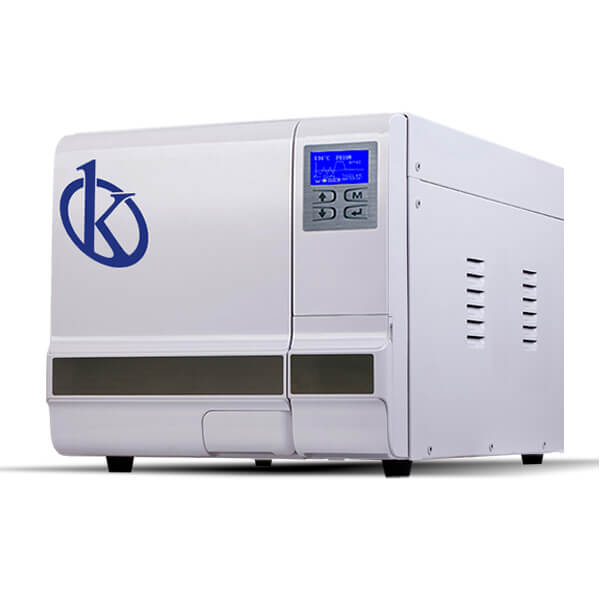
Understanding the Operating Principle and Scientific Basis of the YR03389 Class B Table Autoclave
The YR03389 Class B Table Autoclave is an essential tool for sterilization in clinical, veterinary, and beauty environments. Its design is rooted in a deep understanding of thermal dynamics and microbiology, ensuring the effective elimination of pathogens. In this article, we delve into the operating principles and scientific fundamentals that make the YR03389 a reliable choice for sterilization.
Principles of Operation: How the YR03389 Works
The YR03389 operates on the principle of steam sterilization, which relies on the application of high-pressure steam to kill microorganisms. The autoclave uses a pre-vacuum technique that removes air from the chamber before steam is introduced. This is crucial because the presence of air can inhibit the penetration of steam, leading to ineffective sterilization.
The three-phase vacuum process involves:
- Pre-Vacuum Phase: Air is evacuated from the chamber to create a vacuum, allowing steam to penetrate effectively.
- Sterilization Phase: Steam at high pressure enters the chamber, reaching temperatures typically between 121°C and 134°C, depending on the cycle selected.
- Post-Vacuum Phase: The chamber is again evacuated to remove moisture, which prevents recontamination of sterilized items.
This process ensures that all surfaces of the instruments are exposed to steam, achieving complete sterilization.
Scientific Fundamentals Behind Steam Sterilization
Steam sterilization is based on the physical and chemical properties of water vapor. When water turns into steam, it expands and carries energy in the form of heat. This heat is essential for denaturing proteins and disrupting the cellular structure of microorganisms.
The key scientific principles include:
- Thermodynamics: Understanding how temperature and pressure affect the boiling point of water is critical. In the YR03389, steam is generated under high pressure, allowing it to reach higher temperatures than normal boiling water.
- Microbial Resistance: Different microorganisms have varying resistance to heat. Effective sterilization must consider the time and temperature necessary to achieve a 6-log reduction (99.9999% kill rate) of the most resistant spores.
- Heat Transfer: The efficiency of heat transfer between steam and sterilized instruments is vital. The design of the YR03389 facilitates optimal steam circulation, ensuring that all items receive uniform exposure.
Technical Specifications of the YR03389
| Model | Chamber Size | Volume of Chamber | Number of Trays | Material of Trays | Power |
|---|---|---|---|---|---|
| YR03389 | Φ247 x 350mm | 18 Liters | 2 / Max. 3 | Aluminum | 1750W |
Importance of Calibration and Maintenance
To ensure the reliability of the YR03389, regular calibration and maintenance are essential. Calibration involves verifying that the autoclave maintains the specified temperature and pressure during the sterilization cycle. It often includes the use of biological indicators to test the efficacy of the sterilization process.
Maintenance tasks include:
- Cleaning the Chamber: Regular cleaning prevents contamination and buildup that may affect performance.
- Checking Seals and Gaskets: Ensuring that seals are intact is crucial for maintaining pressure during cycles.
- Monitoring Safety Features: The YR03389 is equipped with various safety alarms and shutdown mechanisms that must be tested regularly.
Applications Across Different Sectors
The YR03389 is versatile and can be adapted for various industries:
- Clinical Laboratories: Used for sterilizing surgical instruments, ensuring patient safety.
- Veterinary Clinics: Essential for maintaining hygiene standards when handling medical tools.
- Beauty Salons: Autoclaves like the YR03389 ensure that tools used on clients are completely sterile.
- Educational Institutions: Employed in biology labs for sterilizing equipment in experiments.
Each sector can implement tailored protocols that maximize the efficiency of the YR03389 based on specific needs.
Frequently Asked Questions
What is the maximum temperature the YR03389 can reach during sterilization?
The YR03389 can reach temperatures of up to 134°C, depending on the selected sterilization cycle.
How often should the YR03389 be calibrated?
It is recommended to calibrate the YR03389 at least once a year or after any maintenance that involves disassembly.
What types of items can be sterilized in the YR03389?
The YR03389 is suitable for sterilizing most metal instruments, glassware, and certain types of textiles, as long as they fit within the chamber size.
Are there any specific safety features in the YR03389?
Yes, the YR03389 includes safety locks, pressure relief valves, and alarms for low water levels, ensuring operation safety.
How do I troubleshoot if the YR03389 displays an error code?
Consult the user manual for a list of error codes and their solutions. Common issues include checking water levels and ensuring the door is securely closed.
Can I use the YR03389 for sterilizing plastics?
Plastic items should be verified for heat resistance. Some plastics can withstand the temperatures of the YR03389, while others cannot.
How does the pre-vacuum feature enhance the sterilization process?
The pre-vacuum feature removes air from the chamber, allowing steam to penetrate more effectively and ensuring thorough sterilization.
If you are interested in acquiring the YR03389 or require further information, please request a quote through our platform.
If you are looking for a fusion of innovation and quality, you have come to the right place. At Kalstein, we offer you the luxury of exploring our exclusive catalog of laboratory equipment. We manufacture every device to the highest standards of excellence. Our intuitive and seamless online purchasing channels are designed for your convenience, securing the most competitive prices. Hesitate no longer — we bring science to life, it is time to become part of our community.