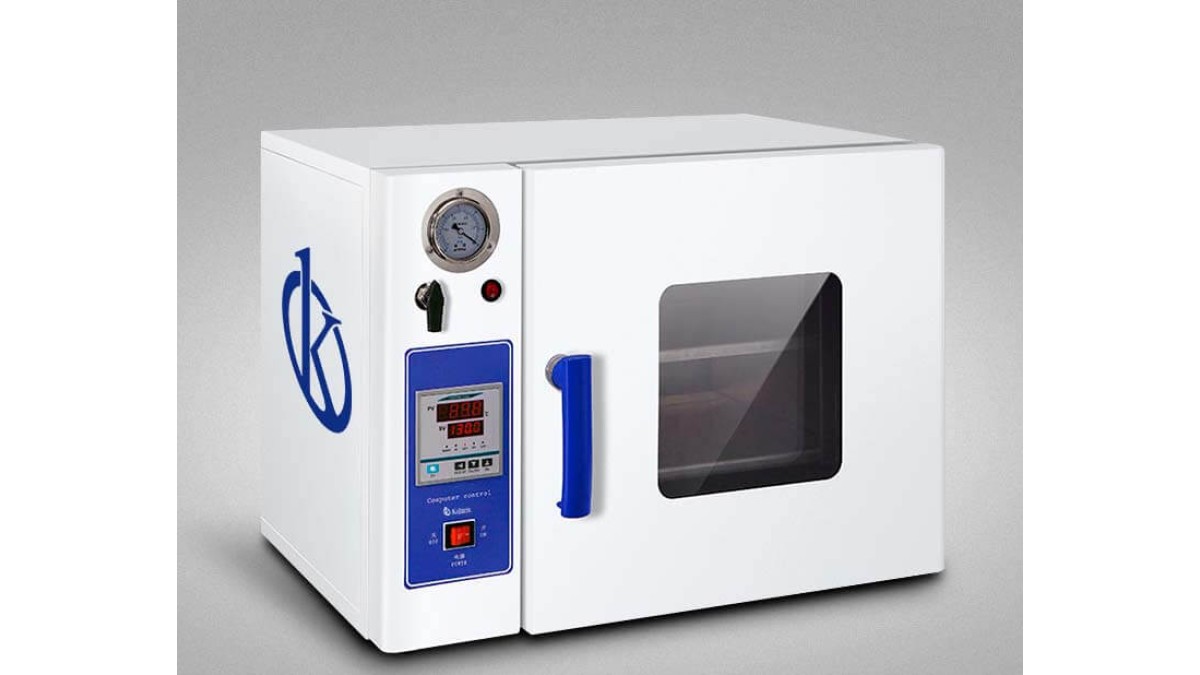

Vacuum Ovens: Common Mistakes and How to Avoid Them in Daily Operation 2026
What is it used for in 2026
Vacuum ovens are essential in various laboratory settings, particularly in fields such as biochemistry, pharmaceuticals, and environmental research. These devices create a low-pressure environment that facilitates the effective drying and sterilization of sensitive materials. In 2026, the applications of vacuum ovens include:
- Drying heat-sensitive materials: Ideal for drying substances that cannot withstand high temperatures.
- Dehydrating samples: Used for removing moisture from samples without degradation.
- Sterilizing glassware: Effectively removes contaminants from glass containers.
- Desiccation: Preserves sensitive powders and chemicals by preventing oxidation.
History and evolution of the technology
The concept of vacuum drying has been around for decades, but the technology has significantly evolved. Initially, vacuum ovens were rudimentary, employing simple vacuum pumps and basic heating elements. Over the years, advancements in materials science and precision engineering have led to the development of sophisticated models capable of maintaining consistent temperature and vacuum levels. Today, modern vacuum ovens are equipped with digital controls, advanced monitoring systems, and enhanced safety features, improving their efficiency and reliability in laboratory settings.
How to use it step by step
- Preparation: Ensure that the vacuum oven is clean and all components are functioning. Verify that the vacuum pump is connected properly.
- Load Samples: Place the samples in the inner chamber, ensuring they are distributed evenly to allow proper airflow.
- Set Temperature: Adjust the temperature settings according to the specific requirements of the samples being dried.
- Set Time: Program the timer to the recommended duration based on the material and desired outcome.
- Start the Vacuum: Activate the vacuum pump to create the necessary low-pressure environment.
- Monitor Progress: Regularly check the temperature and vacuum levels throughout the duration of the operation.
- Completion: Once the timer goes off, carefully release the vacuum before opening the oven. Allow the samples to cool before removing them.
Best techniques and protocols
To ensure optimal performance of vacuum ovens, it is essential to follow established techniques and protocols:
- Pre-conditioning materials: Pre-dry samples before placing them in the vacuum oven to minimize drying time.
- Calibration: Regularly calibrate the temperature and vacuum gauges to maintain accuracy.
- Sample arrangement: Arrange samples in a way that promotes uniform heating and drying.
- Ventilation: Ensure proper ventilation during operations to avoid accumulation of gases released from samples.
Practical applications by laboratory type
Different laboratories utilize vacuum ovens based on their specific needs:
- Pharmaceutical Laboratories: Used for drying and sterilizing active pharmaceutical ingredients.
- Environmental Testing Labs: Essential for drying soil samples and other environmental specimens.
- Biochemistry Labs: Ideal for preparing samples that are sensitive to heat.
- Food Safety Labs: Employed to dry food samples for microbiological testing.
Regulations, standards and certifications
Compliance with various regulations and standards is critical when operating vacuum ovens. Laboratories should adhere to guidelines outlined by organizations such as:
- ISO 9001: Quality management systems requirements for organizations.
- ISO 17025: General requirements for the competence of testing and calibration laboratories.
- FDA regulations: Especially relevant for laboratories involved in pharmaceuticals and food safety.
Comparison with alternative technologies
While vacuum ovens are popular, alternative drying technologies also exist:
- Convection Ovens: Utilize airflow for drying but can damage heat-sensitive materials.
- Freeze Dryers: Effective for preserving samples but are more expensive and complex to operate.
- Desiccators: Simpler and lower-cost options, but less efficient for large-scale drying.
Comparison of available models
| Model | Best for | Key specs | Recommended use case |
|---|---|---|---|
| YR05260-A | General laboratory use | 220V; RT + 5 ~ 250°C; 0.9kW | Drying heat-sensitive samples |
| YR05261-A | Pharmaceutical applications | 220V; RT + 5 ~ 250°C; 0.9kW | Sterilizing glassware |
| YR05262-SS | Research labs | 220V; RT + 5 ~ 250°C; 1.4kW | Desiccation of delicate powders |
| YR05263-SS | Environmental testing | 220V; RT + 5 ~ 250°C; 1.4kW | Drying soil and plant samples |
| YR05264-A | Food safety testing | 220V; RT + 5 ~ 250°C; 0.9kW | Preparing food samples for testing |
| YR05265-SS | Complex material drying | 220V; RT + 5 ~ 250°C; 1.4kW | Preserving sensitive biological materials |
Common mistakes and how to avoid them
Understanding common mistakes can improve efficiency and results when using vacuum ovens:
- Not pre-drying samples: Always pre-dry materials when possible to reduce the drying time.
- Incorrect temperature settings: Ensure temperatures are appropriate for the specific material to avoid degradation.
- Poor sample arrangement: Organize samples to allow for optimal airflow and uniform drying.
- Neglecting maintenance: Regularly calibrate and maintain the oven to prolong its lifespan and efficacy.
Maintenance, calibration and good practices 2026
To ensure ongoing performance, follow these maintenance and calibration practices:
- Routine cleaning: Clean the interior and exterior surfaces of the oven regularly.
- Calibration: Schedule periodic checks for temperature and vacuum gauge calibration.
- Check seals: Regularly inspect door seals for integrity to maintain vacuum efficiency.
- Training: Ensure personnel are trained in proper usage and troubleshooting techniques.
Cost-benefit analysis 2026
Conducting a cost-benefit analysis for vacuum ovens involves considering the initial investment against long-term savings:
- Initial costs: Consider the purchase price and installation costs.
- Operational costs: Assess energy consumption and maintenance expenses.
- Efficiency gains: Evaluate how much time and resources can be saved with effective use.
- Quality outcomes: Factor in how improved drying processes enhance the quality of research results.
Frequently asked questions
What is the best practice for loading samples into a vacuum oven?
Samples should be evenly distributed within the oven chamber to allow for uniform airflow and heating. Avoid overcrowding to ensure effective drying.
How often should I calibrate my vacuum oven?
It is recommended to calibrate your vacuum oven at least once every six months, or more frequently if it is used intensively.
Can vacuum ovens be used for all materials?
No, vacuum ovens are not suitable for all materials. It is essential to check compatibility, especially for items sensitive to heat or pressure.
What should I do if my vacuum oven is not achieving the desired vacuum level?
Inspect the vacuum seals and connections for leaks, and ensure that the vacuum pump is functioning correctly. Regular maintenance can help prevent such issues.
How can I improve the efficiency of my vacuum oven operations?
Pre-drying samples, maintaining proper temperature settings, and ensuring the oven is clean and calibrated can significantly enhance efficiency.
Is it safe to operate a vacuum oven unattended?
It is generally not advisable to leave a vacuum oven unattended, especially during the initial heating phase, as this can lead to accidents if there are malfunctions.
What advanced features should I look for in a vacuum oven?
Look for features like digital controls, precise temperature regulation, automatic pressure monitoring, and safety alarms for optimal performance.
If you are looking for a fusion of innovation and quality, you have come to the right place. At Kalstein, we offer you the luxury of exploring our exclusive catalog of laboratory equipment. We manufacture every device to the highest standards of excellence. Our intuitive and seamless online purchasing channels are designed for your convenience, securing the most competitive prices. Hesitate no longer — we bring science to life, it is time to become part of our community.