Vertical Laminar Flow Clean Benches: Practical Applications and Techniques 2026
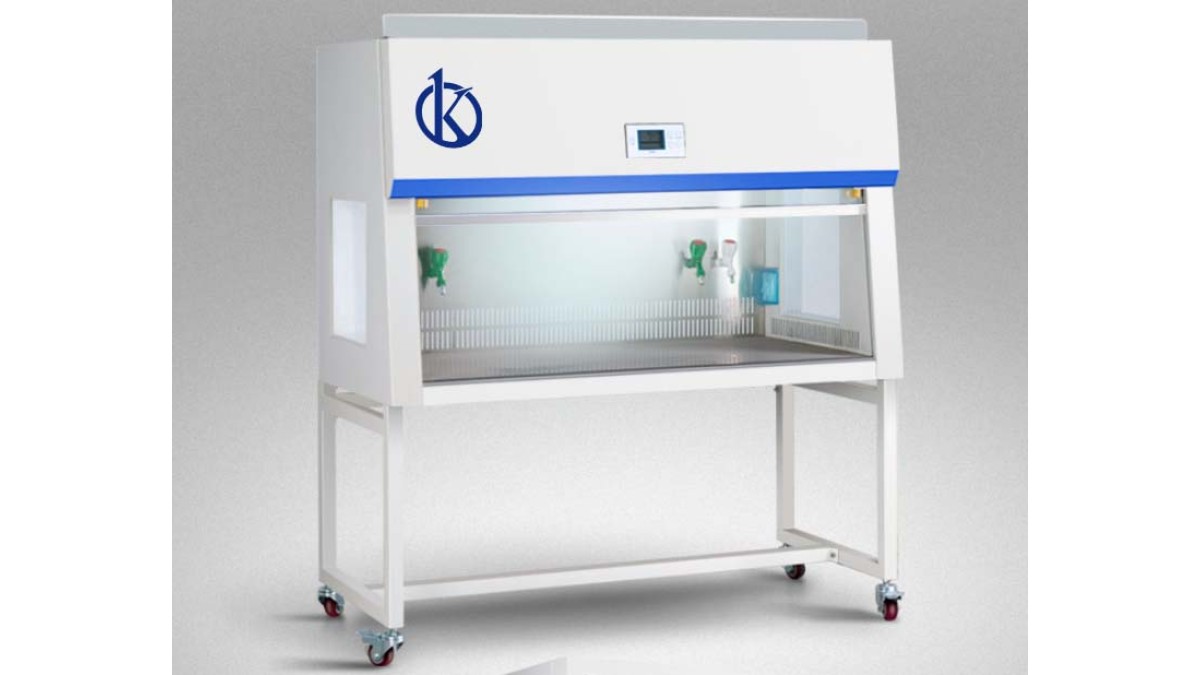
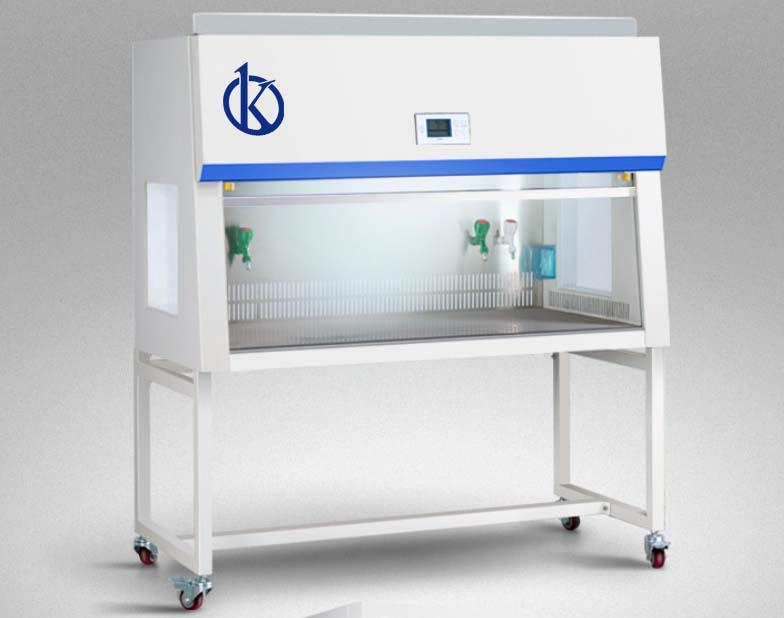
Vertical Laminar Flow Clean Benches are essential tools in clinical laboratories and hospitals, designed to provide a controlled environment that minimizes contamination during experiments. In 2026, the focus on enhancing laboratory safety and efficiency has made these clean benches indispensable. This article explores the practical applications, best practices, and the various models available in this subcategory, ensuring laboratory professionals can effectively utilize these devices.
What is it used for in 2026
Vertical Laminar Flow Clean Benches are primarily used to provide a sterile environment for various laboratory procedures. They are vital in fields such as biotechnology, pharmaceuticals, and life sciences, where contamination can adversely affect experimental results. In 2026, these clean benches are employed in applications such as:
- Cell culture and microbiological work
- Preparation of sterile products
- Work with hazardous materials that require a sterile environment
- Research and development in medical and health sciences
Moreover, they are essential in providing a clean workspace for handling sensitive electronic components and instruments.
History and evolution of the technology
The evolution of laminar flow technology dates back to the mid-20th century when the need for sterile environments in laboratories became apparent. Early clean benches were simple structures that relied on basic airflow principles. Over the decades, advancements in filtration technology, such as HEPA filters, transformed these clean benches into sophisticated equipment capable of maintaining Class 100 environments. The integration of digital controls and real-time monitoring in models like the YR05267-1 has further enhanced usability and safety in laboratory workflows.
How to use it step by step
Using a Vertical Laminar Flow Clean Bench requires careful attention to ensure optimal performance and safety. Here is a step-by-step guide:
- Preparation: Ensure the clean bench is placed in a suitable location away from high-traffic areas to minimize airflow disturbances.
- Power On: Turn on the clean bench and allow it to run for at least 10-15 minutes before beginning any procedures to ensure that the airflow stabilizes.
- Set Up Work Materials: Arrange all necessary materials and equipment in the clean zone only after the airflow is stabilized to avoid contamination.
- Use Proper Technique: Always work within the clean zone and avoid blocking the airflow from the HEPA filter. Move materials gently to avoid turbulence.
- Post-Use Cleaning: After completing the work, clean the work surface with appropriate disinfectants before shutting down the equipment.
Best techniques and protocols
Adopting best practices when using Vertical Laminar Flow Clean Benches ensures that contamination risk is minimized. These include:
- Regularly checking and maintaining the HEPA filters to ensure optimal airflow and filtration efficiency.
- Implementing a strict protocol for cleaning and disinfecting surfaces before and after each use.
- Using proper aseptic techniques, including wearing gloves, masks, and lab coats to minimize contamination.
- Training all personnel on the correct usage protocols and the importance of maintaining the sterile environment.
Practical applications by laboratory type
Different laboratories have specific requirements for using Vertical Laminar Flow Clean Benches:
Clinical Laboratories
In clinical environments, these benches are used for handling blood samples and preparing reagents under sterile conditions.
Research Institutions
Researchers utilize these clean benches for cell culture work and microbiological studies to ensure that results are not compromised by contamination.
Pharmaceutical Companies
Pharmaceutical manufacturers use vertical laminar flow clean benches for producing sterile products, ensuring compliance with health regulations.
Biotechnology Firms
These benches support the development of new biotechnological products, providing a necessary sterile environment for sensitive processes.
Regulations, standards and certifications
Vertical Laminar Flow Clean Benches must adhere to several regulations and standards, ensuring they provide a safe working environment. Key standards include:
- ISO 14644.1 Class 5 for clean rooms
- US Federal Standard 209E for clean air environments
- Health and safety regulations as prescribed by local and international bodies
Laboratories must ensure that their equipment meets these standards to maintain compliance and guarantee safety in laboratory practices.
Comparison with alternative technologies
When selecting clean environments, laboratories may consider alternatives to Vertical Laminar Flow Clean Benches, such as:
- Biological Safety Cabinets: Provide a higher level of protection against hazardous materials but may not offer the same level of sterile conditions as laminar flow benches.
- Fume Hoods: Primarily designed for chemical safety rather than sterility, making them less suitable for microbiological work.
Vertical Laminar Flow Clean Benches are preferred when sterility is more critical than handling hazardous materials.
Comparison of available models
| Model | Best for | Key specs | Recommended use case |
|---|---|---|---|
| YR05267-1 | Biotechnology and pharmaceutical applications | ISO 14644.1 Class 5, Speed 0.3~0.6 m/s, Noise ≤62dB | Cell culture and sensitive experiments |
| YR05734 | General laboratory use | Class 100, Speed 0.25~0.45 m/s, Noise ≤62dB | Aseptic preparations in clinical laboratories |
| YR05735 | Microbiological research | Class 100, Speed 0.25~0.45 m/s, Noise ≤62dB | Microbial culturing |
| YR05736 | Pharmaceutical applications | Class 100, Speed 0.25~0.45 m/s, Noise ≤62dB | Drug preparation and sterile compounding |
| YR05737 | Cell culture | Class 100, Speed 0.25~0.45 m/s, Noise ≤62dB | Cell manipulation and handling |
| YR05738 | General research labs | Class 100, Speed 0.25~0.45 m/s, Noise ≤62dB | General laboratory work requiring sterile conditions |
Common mistakes and how to avoid them
Laboratory professionals often make several common mistakes while using Vertical Laminar Flow Clean Benches. These include:
- Blocking airflow: Always maintain an unobstructed path for laminar airflow to avoid contamination.
- Inadequate cleaning: Failing to properly clean surfaces before and after use increases contamination risk.
- Incorrect setup: Not allowing sufficient time for the bench to stabilize before use can compromise sterility.
By being mindful of these common mistakes, laboratory personnel can maintain a sterile environment and ensure the integrity of their work.
Maintenance, calibration and good practices 2026
Maintaining Vertical Laminar Flow Clean Benches is crucial for their effective operation. Recommended maintenance practices include:
- Regular filter replacement as per manufacturer guidelines to ensure efficient air filtration.
- Cleaning the interior and exterior surfaces with appropriate disinfectants according to a scheduled plan.
- Conducting routine checks on airflow velocity and ensuring that equipment is calibrated correctly.
Implementing these practices not only prolongs the life of the equipment but also preserves laboratory safety standards.
Cost-benefit analysis 2026
When considering the acquisition of a Vertical Laminar Flow Clean Bench, laboratories should conduct a thorough cost-benefit analysis. The initial investment in high-quality equipment, such as the YR05736 or YR05738 models, can be significant. However, the benefits include:
- Enhanced experimental accuracy and reliability through contamination-free environments.
- Compliance with industry regulations and standards, protecting the laboratory's integrity.
- Increased efficiency and productivity due to streamlined workflows in sterile conditions.
Ultimately, the long-term benefits greatly outweigh the upfront costs, making these clean benches a worthwhile investment for laboratories.
Frequently asked questions
What are the key factors to consider when choosing a vertical laminar flow clean bench?
Key factors include the required cleanliness level, the specific applications you intend to use it for, the size and layout of your laboratory, and your budget.
How often should I replace the HEPA filter in the clean bench?
It is recommended to replace HEPA filters according to the manufacturer’s guidelines or when airflow performance significantly decreases.
Can I use the clean bench for hazardous materials?
No, vertical laminar flow clean benches are designed for sterile applications. For hazardous materials, consider using a biological safety cabinet instead.
Are there specific training requirements for using a clean bench?
Yes, personnel should be trained on proper aseptic techniques and how to operate the clean bench to ensure effective use and safety.
What maintenance tasks should I perform regularly?
Regular tasks include cleaning surfaces, checking airflow velocity, and replacing filters as needed.
How can I improve the airflow efficiency of my clean bench?
Ensure that the bench is placed away from high-traffic areas and other airflow disruptions, and keep the filters clean and well-maintained.
Can I request a quote for the clean benches mentioned?
Yes, you can request a quote for any of the models discussed to ensure you find the best fit for your laboratory needs.
If you are looking for a fusion of innovation and quality, you have come to the right place. At Kalstein, we offer you the luxury of exploring our exclusive catalog of laboratory equipment. We manufacture every device to the highest standards of excellence. Our intuitive and seamless online purchasing channels are designed for your convenience, securing the most competitive prices. Hesitate no longer — we bring science to life, it is time to become part of our community.