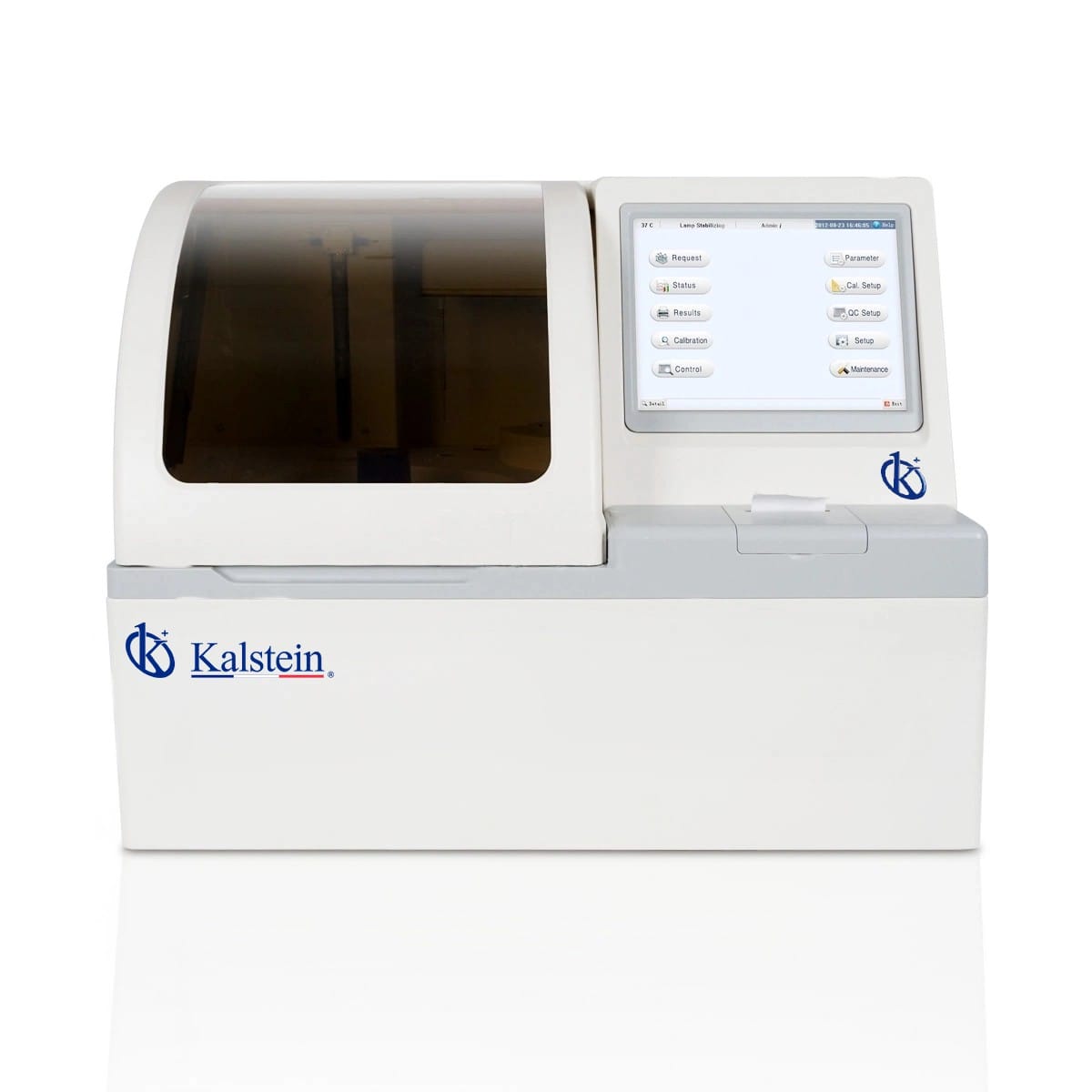
Veterinary Chemistry Analyzer: Practical Step-by-Step Usage Guide 2026
What is it used for in 2026
The Veterinary Chemistry Analyzer is essential in veterinary laboratories for diagnosing animal health issues through biochemical analysis of various samples, including blood and serum. In 2026, these analyzers are crucial for providing rapid and accurate results, enabling veterinarians to make informed decisions regarding diagnosis and treatment. Examples include assessing organ function, electrolyte balance, and metabolic disorders in animals.
History and evolution of the technology
The advancement of veterinary chemistry analyzers has significantly evolved over the years. Initially, manual methods were used to analyze animal blood samples, which were time-consuming and required skilled technicians. With the advent of automated systems in the late 20th century, laboratories began transitioning to machines that could handle multiple tests simultaneously, increasing efficiency and accuracy. Today, analyzers feature advanced technology, allowing for rapid throughput and user-friendly interfaces, making them vital tools in veterinary medicine.
How to use it step by step
Using a Veterinary Chemistry Analyzer involves several steps:
- Sample Preparation: Collect the required biological sample, usually blood, and prepare it as instructed by the analyzer’s manual.
- Calibration: Ensure the device is calibrated using control samples to guarantee accuracy.
- Loading Samples: Place the sample into the designated area of the analyzer. For portable models, ensure proper connection and positioning.
- Running Tests: Select the appropriate test panels on the device’s interface and start the analysis.
- Result Retrieval: Once the analysis is complete, results will be displayed on the screen or printed directly if the analyzer has a built-in printer.
- Data Interpretation: Analyze the test results and consult with veterinarians for further actions.
Best techniques and protocols
To achieve the best results with Veterinary Chemistry Analyzers, adhere to the following protocols:
- Always use fresh samples to prevent degradation of analytes.
- Follow manufacturer's instructions for calibration and maintenance.
- Employ proper techniques for sample collection to minimize hemolysis.
- Regularly update the software and firmware to ensure optimal functionality.
- Implement a quality control program to monitor assay performance.
Practical applications by laboratory type
Veterinary Chemistry Analyzers find applications across various laboratory types, including:
- Veterinary Clinics: For routine health screenings and emergency diagnostics.
- Research Laboratories: In studies requiring biochemical assays in animal models.
- Academic Institutions: For educational purposes to train future veterinarians and technicians.
- Diagnostics Laboratories: For specialized testing and reference laboratory services.
Regulations, standards and certifications
Veterinary Chemistry Analyzers must comply with various regulatory standards, including:
- ISO 13485 for medical devices quality management systems.
- CLIA regulations for laboratories conducting clinical tests.
- Local health regulations specific to veterinary practices.
Comparison with alternative technologies
While Veterinary Chemistry Analyzers are highly effective, there are alternative technologies available. For instance, point-of-care testing devices offer rapid results but may lack the comprehensive range of tests available on larger analyzers. Additionally, traditional laboratory methods, though reliable, are often slower and more labor-intensive compared to automated systems.
Comparison of available models
| Model | Best for | Key specs | Recommended use case |
|---|---|---|---|
| YR06168 | High-volume testing | Performance up to 100 tests/hour | Veterinary hospitals with high patient turnover |
| YR06169 | Portable testing | 8.4-inch touch display, 100uL sample size | Field tests and emergency situations |
| YR06172 | Immunofluorescence | 7-inch touchscreen, 10000 image storage | Specialized tests requiring immunofluorescence |
| YR06174 | Blood gas analysis | All-in-one design, infrared human detector | Critical care and surgery settings |
| YR06077 | General chemistry | Supports up to 12 animal types, 34 fixed tests | Routine chemistry tests in veterinary clinics |
Common mistakes and how to avoid them
Common mistakes when using Veterinary Chemistry Analyzers include:
- Inadequate sample handling leading to contamination.
- Failure to calibrate regularly, resulting in inaccurate results.
- Ignoring manufacturer guidelines during operation.
- Not keeping the equipment clean, which can affect performance.
To avoid these mistakes, follow standard operating procedures and ensure regular training for laboratory staff.
Maintenance, calibration and good practices 2026
Regular maintenance and calibration are crucial for optimal performance:
- Calibrate the analyzer daily before use to ensure accuracy.
- Perform regular cleaning according to the manufacturer's instructions.
- Replace consumables as needed, following best practices for storage and handling.
- Document all maintenance activities for compliance and quality assurance.
Cost-benefit analysis 2026
Investing in a Veterinary Chemistry Analyzer can significantly enhance diagnostic capabilities and patient outcomes. Though initial costs may vary, the long-term benefits of improved efficiency, accuracy, and speed in animal health diagnostics often outweigh the expenses. Additionally, high-quality analyzers tend to require less maintenance, further reducing costs over time.
Frequently asked questions
How do I choose the right Veterinary Chemistry Analyzer for my lab?
Choosing the right analyzer depends on your laboratory's specific needs, including the volume of tests, types of analyses required, and budget. Consider models that offer the tests you perform most frequently and assess their throughput capacity.
What sample types can be analyzed using these devices?
Most Veterinary Chemistry Analyzers can analyze whole blood, serum, and plasma samples. Always consult the user manual for specific sample requirements for each model.
How often should I calibrate my analyzer?
Calibration frequency depends on usage and manufacturer recommendations. Typically, daily calibration is advised before the first analysis of the day to ensure accuracy.
What are the common maintenance practices for these analyzers?
Common maintenance practices include regular cleaning, calibration, replacing consumables, and ensuring that software is up to date. Documenting maintenance activities is also recommended.
Can I trust the results from these analyzers?
Yes, when used and maintained properly, Veterinary Chemistry Analyzers provide reliable and accurate results. Regular quality control checks and adherence to protocols are crucial for ensuring result accuracy.
What is the expected lifespan of a Veterinary Chemistry Analyzer?
The lifespan of a Veterinary Chemistry Analyzer can vary significantly based on usage and maintenance. Generally, with proper care, they can last between 5 to 10 years.
Where can I request a quote for these analyzers?
You can easily request a quote through our website where you can explore various models and their specifications.
If you are looking for a fusion of innovation and quality, you have come to the right place. At Kalstein, we offer you the luxury of exploring our exclusive catalog of laboratory equipment. We manufacture every device to the highest standards of excellence. Our intuitive and seamless online purchasing channels are designed for your convenience, securing the most competitive prices. Hesitate no longer — we bring science to life, it is time to become part of our community.