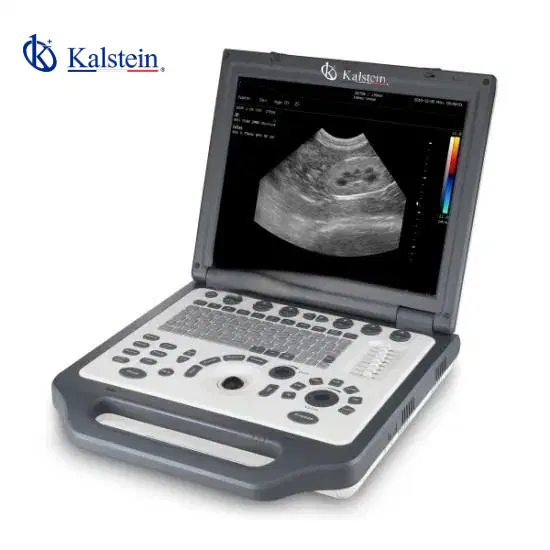
Veterinary Color Doppler: Practical Applications and Techniques 2026
What is it used for in 2026
In 2026, Veterinary Color Doppler systems are crucial diagnostic tools in clinical veterinary practices. They allow veterinarians to visualize blood flow in animals, aiding in the assessment of various conditions such as heart diseases, vascular abnormalities, and organ perfusion. These systems utilize advanced ultrasound technology to deliver real-time images, making them essential for rapid diagnosis and treatment planning.
History and evolution of the technology
The evolution of Veterinary Color Doppler technology has been remarkable. Initially, veterinary ultrasound was limited to basic imaging without the capability to assess blood flow. However, advancements in digital imaging and processing, particularly the introduction of color Doppler technology, have transformed veterinary diagnostics. Over the years, systems have become more portable, user-friendly, and equipped with enhanced imaging capabilities, improving accessibility for veterinarians in both clinical and field settings.
How to use it step by step
Using a Veterinary Color Doppler system involves several key steps:
- Preparation: Ensure the equipment is charged and all necessary accessories are available. Prepare the animal by gently restraining it as needed.
- Application of Gel: Apply ultrasound gel on the area of interest to ensure optimal sound wave transmission.
- Select the Appropriate Probe: Depending on the animal size and the area being examined, choose the right probe (convex, linear, or micro convex).
- System Setup: Turn on the device, select the Doppler mode, and adjust settings such as depth, gain, and frame rate based on the subject.
- Image Acquisition: Place the probe on the animal’s body and monitor the live feed, looking for blood flow patterns and abnormalities.
- Data Analysis: Analyze the captured images and Doppler waveforms to assess the hemodynamic status and diagnose any conditions.
- Documentation: Save the images and reports for records and further analysis.
Best techniques and protocols
To achieve the best results using Veterinary Color Doppler systems, follow these techniques and protocols:
- Ensure proper patient positioning to minimize movement during imaging.
- Use the lowest possible frequency for larger animals to enhance penetration and image quality.
- Regularly calibrate the equipment to maintain imaging accuracy.
- Utilize harmonic imaging when applicable for clearer images.
- Follow established protocols for specific conditions, such as cardiac assessments or vascular examinations.
Practical applications by laboratory type
Veterinary Color Doppler systems find applications across various laboratory types:
- Small Animal Clinics: Used for cardiac evaluations and vascular assessments in dogs and cats.
- Large Animal Clinics: Essential for assessing blood flow in horses and livestock, focusing on performance and health.
- Research Laboratories: Employed in studies related to animal physiology and pathology, contributing to advancements in veterinary science.
- Emergency Veterinary Services: Vital for urgent diagnostics in trauma cases, helping in the immediate assessment of internal injuries.
Regulations, standards and certifications
Veterinary Color Doppler systems must comply with various regulations and standards to ensure safety and efficacy. These include:
- Compliance with FDA regulations for veterinary medical devices.
- ISO standards for medical imaging equipment.
- Regular inspections and certifications to maintain quality assurance in veterinary practices.
Comparison with alternative technologies
While Veterinary Color Doppler systems are highly effective, there are alternative technologies available, including:
- Traditional Ultrasound: Provides basic imaging without real-time blood flow analysis.
- X-Ray Imaging: Useful for structural assessments but lacks the functional insights provided by Doppler.
- Magnetic Resonance Imaging (MRI): Offers detailed anatomical images but is less accessible and cost-prohibitive for many practices.
Comparison of available models
| Model | Best for | Key specs | Recommended use case |
|---|---|---|---|
| YR06139 | Portable diagnostics | Weight < 5kg, 15” LCD, various probes | Field use and emergency situations |
| YR06140 | In-depth analysis | Digital imaging, DICOM3.0 support, 500GB storage | Clinical evaluations requiring detailed imaging |
| YR06141 | Comprehensive assessments | 19” touchscreen, extensive connectivity options | Large animal clinics and specialty practices |
Common mistakes and how to avoid them
To ensure effective use of Veterinary Color Doppler systems, avoid these common mistakes:
- Inadequate training on equipment operation leads to improper usage and inaccurate results.
- Neglecting to maintain and calibrate equipment can affect image quality.
- Failing to properly position the animal can result in suboptimal imaging.
- Not documenting findings appropriately can lead to miscommunication and errors in treatment plans.
Maintenance, calibration and good practices 2026
Regular maintenance and calibration of Veterinary Color Doppler systems are essential for accuracy:
- Perform daily checks to ensure all components are functioning correctly.
- Schedule professional calibration bi-annually or as recommended by the manufacturer.
- Keep the equipment clean and protected from environmental hazards.
- Store probes properly to avoid damage.
Cost-benefit analysis 2026
When evaluating the cost-effectiveness of Veterinary Color Doppler systems in 2026, consider:
- Initial investment vs. potential increase in diagnostic capabilities and practice revenue.
- Maintenance costs versus the longevity and reliability of devices.
- Training investments for staff that lead to better patient outcomes and increased client satisfaction.
Frequently asked questions
What are the key considerations when choosing a Veterinary Color Doppler system?
When selecting a system, consider the specific needs of your practice, portability requirements, imaging capabilities, and the types of animals you will be examining. Additionally, assess the software features and customer support from the manufacturer.
How often should I calibrate my Veterinary Color Doppler system?
It is recommended to calibrate the system at least twice a year, or more frequently if the device is heavily used. Regular calibration ensures accurate measurements and reliable diagnostic results.
Can I use a Veterinary Color Doppler system for all animal species?
While these systems are versatile, it’s important to choose the correct probe and settings based on the species and size of the animal being examined. Some models are better suited for specific types of animals, such as small or large species.
What maintenance is required for a Veterinary Color Doppler system?
Regular maintenance includes cleaning the device, checking for software updates, and ensuring all components are functioning. Follow the manufacturer’s guidelines for specific maintenance protocols.
How can I improve the quality of images captured?
To enhance image quality, ensure proper application of ultrasound gel, optimize probe positioning, and use the appropriate settings based on the animal type and examination type. Avoid patient movement during imaging for better clarity.
What training is necessary for using a Veterinary Color Doppler system?
Staff should undergo comprehensive training that covers the operation of the system, image interpretation, and troubleshooting common issues. Continuous education and updates on technological advancements are also recommended.
Where can I request a quote for a Veterinary Color Doppler system?
To request a quote for a Veterinary Color Doppler system or to explore your options, please contact us for more information.
If you are looking for a fusion of innovation and quality, you have come to the right place. At Kalstein, we offer you the luxury of exploring our exclusive catalog of laboratory equipment. We manufacture every device to the highest standards of excellence. Our intuitive and seamless online purchasing channels are designed for your convenience, securing the most competitive prices. Hesitate no longer — we bring science to life, it is time to become part of our community.