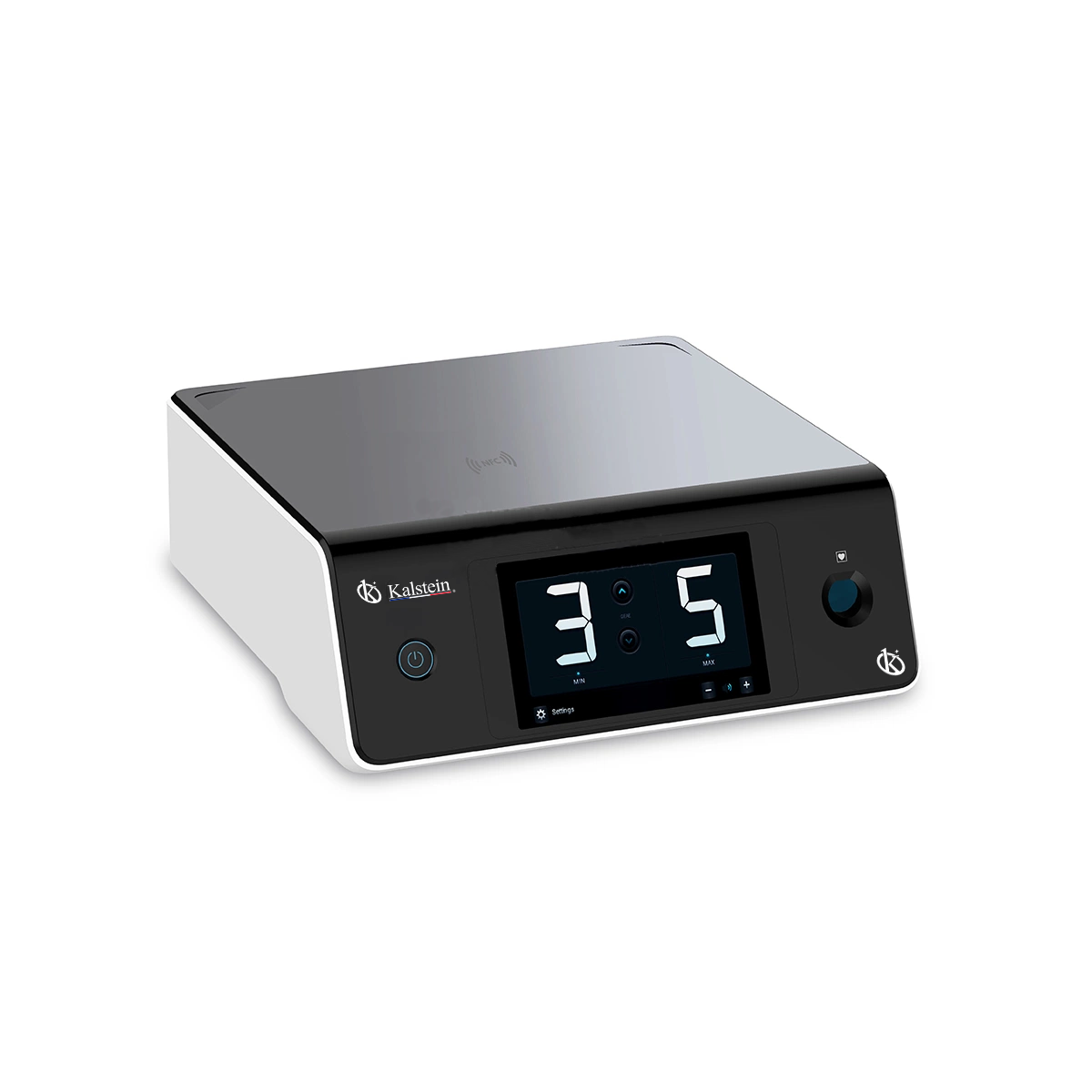
Veterinary Electrosurgical Units: Applications in Research, Biotechnology, and Academia 2026
What is it used for in 2026
Veterinary electrosurgical units (ESUs) are crucial in modern veterinary surgeries, providing efficient and precise technological solutions that enhance surgical outcomes. These devices are primarily employed for cutting and coagulating tissue during surgical procedures, minimizing blood loss and improving recovery times. In 2026, the applications of these units extend beyond traditional surgeries, offering innovative solutions within research and biotechnology fields. They are increasingly used in regenerative medicine, tissue engineering, and various experimental protocols requiring precise tissue manipulation.
History and evolution of the technology
The history of electrosurgical technology dates back to the early 20th century, evolving significantly over the decades. Initially developed for human surgeries, the adaptation for veterinary use began in the 1980s, driven by the need for more effective surgical tools. Over time, improvements in safety, efficacy, and versatility have led to the modern electrosurgical units we see today, including ultrasonic scalpels and advanced sealing generators, which offer precise control over tissue effects while minimizing collateral damage.
How to use it step by step
Using a veterinary electrosurgical unit involves several key steps:
- Preparation: Ensure all equipment is sterile and functioning. Familiarize yourself with the specific model's settings and functions.
- Setup: Connect the appropriate footswitch and handpieces. Adjust settings according to the surgical requirements, such as power level and mode.
- Application: Position the electrode at the targeted tissue area. Activate the unit using the footswitch and apply the device with controlled movements to cut or coagulate as needed.
- Monitoring: Continuously monitor the tissue response during the procedure. Adjust settings if necessary to optimize performance.
- Post-Procedure: After completing the surgery, ensure the unit is turned off and cleaned. Follow up with proper wound management.
Best techniques and protocols
Best practices for using veterinary electrosurgical units include:
- Utilizing the correct mode (cutting or coagulation) based on the tissue type and surgical goal.
- Employing proper hand positioning and technique to maintain control and precision.
- Regularly practicing with the equipment to enhance familiarity and effectiveness during actual procedures.
- Adhering to safety protocols, including proper grounding and insulation to prevent electrical hazards.
Practical applications by laboratory type
Veterinary electrosurgical units find a wide range of applications across different laboratory environments:
- Research Laboratories: Used for tissue sampling, experiments involving regenerative medicine, and studies on surgical techniques.
- Biotechnology Facilities: Employed in the development of new surgical techniques and equipment, tissue engineering, and in vitro studies.
- Clinical Veterinary Practices: Integral in routine surgical procedures, emergency surgeries, and specialized operations requiring precise tissue handling.
Regulations, standards and certifications
In veterinary medicine, equipment used in surgery must comply with specific regulations and standards to ensure safety and efficacy. In 2026, veterinary electrosurgical units are subject to certification by relevant health authorities, including adherence to electrical safety standards, biocompatibility testing, and operational efficacy regulations. Additionally, continuous training and certifications for surgical teams are mandated to keep up with evolving technologies.
Comparison with alternative technologies
When comparing veterinary electrosurgical units to alternative surgical technologies such as lasers and traditional scalpels, several factors should be considered:
- Precision: Electrosurgical units allow for fine control over tissue effects, whereas lasers may cause more thermal damage.
- Speed: ESUs typically enable faster procedures compared to traditional methods, benefiting surgical throughput.
- Versatility: Electrosurgical units can perform both cutting and coagulation, while lasers may require different devices for each function.
Comparison of available models
| Model | Best for | Key specs | Recommended use case |
|---|---|---|---|
| YR06129 | Precise tissue cutting | Power: 690VA, Amplitude: 20um-100um | General surgeries requiring accurate cuts |
| YR06130 | Vessel sealing and cutting | Power: 35W, LCD display | Gastrointestinal and gynecological surgeries |
| YR06131 | Vascular surgeries | Power: 300W, Automatic operation | Procedures requiring reliable vessel sealing |
| YR06132 | Versatile surgical needs | Power: 300W, Multi-mode output | Open surgeries with diverse tissue types |
| YR06133 | Laser applications | Power: 15W, Dual wavelength | Soft tissue surgeries |
| YR06134 | Advanced laser surgical procedures | Power: 15W+15W, Touch control | Complex surgeries requiring precision cutting |
Common mistakes and how to avoid them
Common pitfalls in using veterinary electrosurgical units include:
- Improper settings: Always double-check settings to match the intended procedure.
- Neglecting maintenance: Regularly inspect and maintain equipment to ensure optimal performance.
- Inadequate training: Ensure all users are well-trained in the specific model being used to maximize safety and efficiency.
Maintenance, calibration and good practices 2026
Proper maintenance and calibration are vital for the longevity and effectiveness of veterinary electrosurgical units. Key practices include:
- Regularly scheduled inspections for electrical components and functionality.
- Calibrating devices according to the manufacturer’s specifications to ensure accurate output.
- Keeping a clean work environment and routinely sterilizing instruments.
Cost-benefit analysis 2026
In 2026, the cost-benefit analysis of investing in veterinary electrosurgical units must consider:
- The upfront investment versus long-term operational savings due to reduced surgery times and complications.
- The potential for increased revenue through offering advanced surgical services in practice.
- The benefits of improved patient outcomes and client satisfaction leading to repeat business.
Frequently asked questions
What are the key considerations when selecting a veterinary electrosurgical unit?
When selecting a veterinary electrosurgical unit, consider the types of procedures performed, the required power settings, and the versatility of modes offered. Additionally, ensure that the unit is compliant with safety regulations and is user-friendly for the surgical team.
How often should electrosurgical units be calibrated?
Electrosurgical units should ideally be calibrated at least once a year or more frequently depending on usage. Regular calibration ensures accuracy in performance and safety during surgical procedures.
Can different models of electrosurgical units be used interchangeably?
While many electrosurgical units share similar functions, they may have specific modes and settings tailored to different surgical needs. It’s important to understand the capabilities of each model before interchanging them in procedures.
What training is required for using electrosurgical units?
Users should undergo comprehensive training that covers the specific functions and safety protocols of the electrosurgical unit being used. Hands-on practice under supervision is ideal to ensure confidence and competence in usage.
What are some best practices to ensure patient safety during procedures?
Best practices include proper grounding of the unit, monitoring tissue response continuously, and adhering to sterilization protocols. Ensuring the surgical environment is safe and organized also contributes to patient safety.
Are there specific maintenance procedures for different models?
Yes, each model may have unique maintenance requirements as outlined by the manufacturer. It's important to follow the specific maintenance guidelines to prolong the life of the equipment and ensure optimal function.
Where can I request a quote for veterinary electrosurgical units?
You can request a quote for veterinary electrosurgical units through our contact channels, where our team will assist you in finding the best equipment for your needs.
If you are looking for a fusion of innovation and quality, you have come to the right place. At Kalstein, we offer you the luxury of exploring our exclusive catalog of laboratory equipment. We manufacture every device to the highest standards of excellence. Our intuitive and seamless online purchasing channels are designed for your convenience, securing the most competitive prices. Hesitate no longer — we bring science to life, it is time to become part of our community.