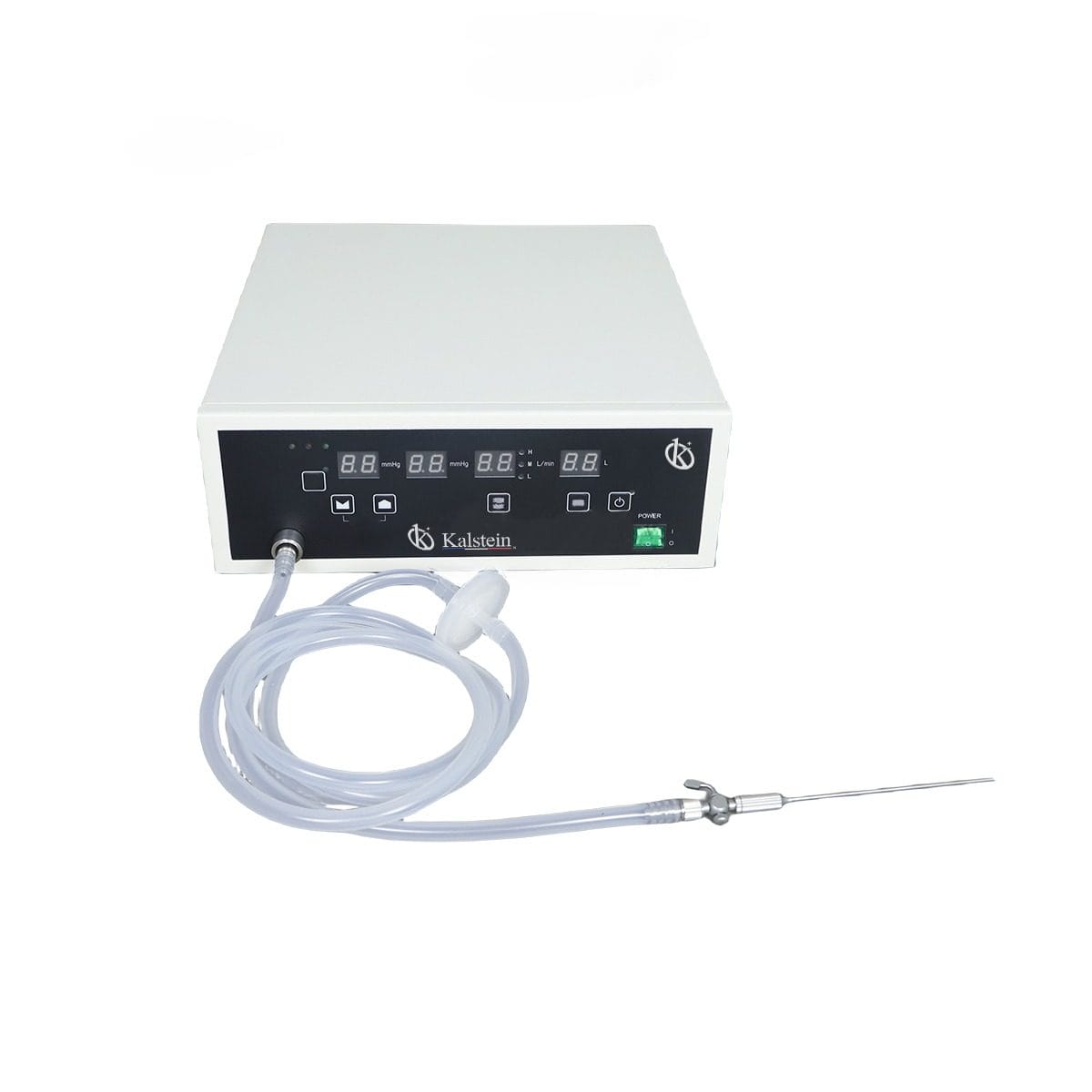
Veterinary Laparoscopy Systems: Applications in Research, Biotechnology, and Academia 2026
What is it used for in 2026
The veterinary laparoscopy systems are essential tools in modern veterinary medicine, providing minimally invasive surgical options for various procedures. In 2026, these systems are widely employed for diagnostics and therapeutic interventions in pets and livestock. The primary applications include reproductive surgery, biopsy procedures, and exploration of abdominal conditions. They also facilitate advanced techniques such as laparoscopic sterilization and gastropexy.
History and evolution of the technology
The evolution of veterinary laparoscopy began in the late 20th century when the technology transitioned from human medicine to veterinary applications. Initially, laparoscopic techniques were limited due to the lack of specialized instruments and training. However, advancements in imaging technologies, including high-definition cameras and CO2 insufflation systems, have dramatically improved visualization and safety during procedures. Today, veterinary laparoscopy is a standard practice, with continuous innovations enhancing its effectiveness and accessibility.
How to use it step by step
Using a veterinary laparoscopy system involves several key steps:
- Preparation: Ensure all necessary equipment is sterile and functioning. Gather instruments such as insufflators, cameras, and light sources.
- Patient Preparation: Anesthetize the patient and position them appropriately for surgery.
- Insufflation: Use a CO2 insufflator to create a workspace in the abdomen.
- Camera Setup: Connect the high-definition camera to the monitor for visualization.
- Surgical Procedure: Perform the desired operation using laparoscopic instruments.
- Closure: Remove instruments, deflate the abdomen, and close the incision.
Best techniques and protocols
Best practices in veterinary laparoscopy involve:
- Utilizing high-definition imaging systems for optimal visualization.
- Maintaining a clear communication protocol among the surgical team.
- Following established surgical protocols tailored to specific procedures.
- Implementing safety measures to monitor patient vitals during surgery.
Practical applications by laboratory type
Veterinary laparoscopy systems find uses across various laboratory settings:
- Research Laboratories: For conducting studies on animal physiology and testing new surgical techniques.
- Teaching Facilities: Used in veterinary schools to train future veterinarians in minimally invasive techniques.
- Clinical Practices: Employed by veterinary clinics for routine surgeries and complex procedures.
Regulations, standards and certifications
In 2026, veterinary laparoscopy equipment must comply with several regulations and standards. These include:
- International Organization for Standardization (ISO) standards for medical equipment.
- Occupational Safety and Health Administration (OSHA) regulations ensuring safety in the operating environment.
- Specific veterinary medical guidelines issued by national veterinary associations.
Comparison with alternative technologies
Compared to traditional open surgery, laparoscopy offers numerous advantages:
- Reduced recovery time for patients.
- Minimized scarring and less postoperative pain.
- Enhanced visualization of internal structures through high-definition imaging.
Alternative technologies, such as traditional surgical methods, may still be preferred in certain situations, particularly where laparoscopic access is challenging.
Comparison of available models
| Model | Best for | Key specs | Recommended use case |
|---|---|---|---|
| YR06157 | Small animal laparoscopy | Flow: 4L/min to 10L/min; Pressure: 0.67kPa~3.30kPa; Power: 40W | Minimally invasive surgeries for pets like dogs and cats. |
| YR06156 | High-definition imaging | Power: ≥30W; Lux: ≥700,000; Resolution: 1920*1080 | Capturing high-quality images during veterinary procedures. |
| YR06158 | Large animal applications | Flow: 2L/min to 40L/min; Power: 40VA; Noise: ≤50dB(A) | Ideal for laparoscopic surgery in larger animals. |
Common mistakes and how to avoid them
Common mistakes in veterinary laparoscopy include:
- Inadequate patient preparation, which can lead to complications.
- Failure to properly calibrate equipment before use.
- Not ensuring a clear line of sight during procedures.
To avoid these issues, thorough training and adherence to protocols are essential.
Maintenance, calibration and good practices 2026
Regular maintenance of laparoscopy systems is critical for their longevity and reliability. Key practices include:
- Routine calibration of imaging and insufflation equipment.
- Regular inspections for any wear or damage to instruments.
- Following manufacturer's guidelines for cleaning and sterilization.
Cost-benefit analysis 2026
While the initial investment in veterinary laparoscopy systems may be high, the long-term benefits include:
- Increased efficiency in surgical procedures.
- Reduced recovery times leading to higher patient turnover.
- Enhanced client satisfaction due to improved outcomes.
This makes the cost of laparoscopy systems justifiable for veterinary practices in 2026.
Frequently asked questions
What are the benefits of using a veterinary laparoscopy system?
The benefits include minimally invasive surgery, reduced recovery times, and improved visualization during procedures, leading to better surgical outcomes.
How do I choose the right model for my practice?
Consider the type of procedures you will perform, the size of animals you treat, and your budget when selecting a laparoscopy system model.
What training is required to operate a veterinary laparoscopy system?
Thorough training in surgical techniques, equipment operation, and patient care is essential for effective use of veterinary laparoscopy systems.
Are there specific maintenance requirements for these systems?
Yes, regular calibration, cleaning, and inspection of equipment are crucial to ensure optimal performance and safety in surgical procedures.
What types of surgeries can be performed using veterinary laparoscopy?
Procedures such as biopsies, sterilizations, and exploratory surgeries are commonly performed with these systems.
How does laparoscopy compare to traditional surgery?
Laparoscopy generally results in less pain, smaller scars, and faster recovery compared to traditional open surgical methods.
Can I request a demonstration of the equipment?
Yes, many suppliers offer demonstrations of their veterinary laparoscopy systems to ensure you are comfortable with their operation before purchasing.
If you are looking for a fusion of innovation and quality, you have come to the right place. At Kalstein, we offer you the luxury of exploring our exclusive catalog of laboratory equipment. We manufacture every device to the highest standards of excellence. Our intuitive and seamless online purchasing channels are designed for your convenience, securing the most competitive prices. Hesitate no longer — we bring science to life, it is time to become part of our community.