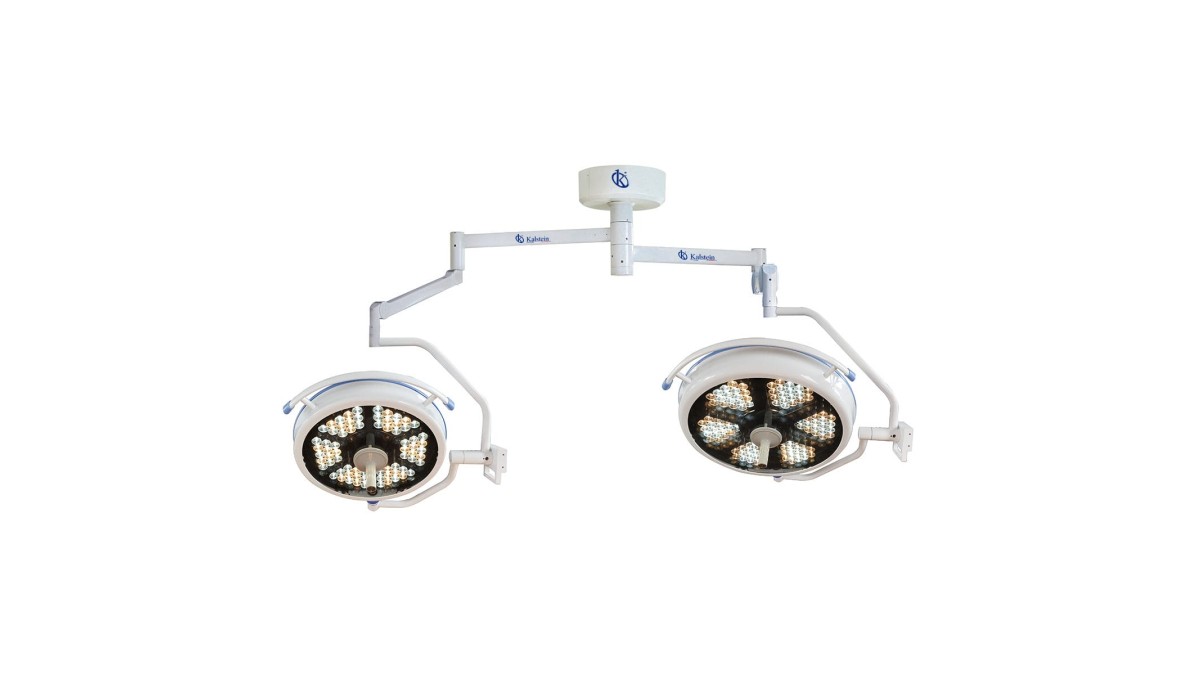
Veterinary Operating Lamps: Practical Applications and Techniques 2026
What is it used for in 2026
In the realm of veterinary medicine, operating lamps play a crucial role in ensuring that surgical procedures are performed under optimal lighting conditions. These lamps provide shadowless illumination, which is essential for intricate operations involving precise movements and visibility. In 2026, veterinary operating lamps are primarily utilized in surgical theaters, emergency veterinary clinics, and specialized animal healthcare facilities. Their applications range from routine surgeries to complex procedures requiring meticulous attention to detail. The importance of high-quality lighting cannot be overstated, as it directly impacts the outcomes of surgical interventions.
History and evolution of the technology
The evolution of operating lamps has been significant over the past several decades. Initially, traditional incandescent bulbs provided minimal illumination, often leading to shadowing and inadequate visibility during operations. The introduction of halogen lamps marked a pivotal advancement, offering improved brightness and color rendering. However, the real breakthrough came with the development of LED technology. Today, LED veterinary operating lamps are favored for their energy efficiency, longevity, and superior color accuracy. This evolution reflects the ongoing commitment to enhancing surgical environments and improving surgical outcomes in veterinary practices.
How to use it step by step
Using veterinary operating lamps effectively involves the following steps:
- Assessment of the environment: Ensure that the surgical area is clean, organized, and free of distractions before setting up the lamp.
- Positioning the lamp: Depending on the type of lamp, position it at the appropriate height and angle to provide optimal light coverage over the surgical field.
- Powering on: Switch on the lamp and adjust the brightness settings according to the requirements of the procedure.
- Adjusting the color temperature: If the lamp features adjustable color temperatures, select the appropriate setting for the type of surgery being performed.
- Final checks: Conduct a final check to ensure there are no shadows obstructing the surgeon’s view and that the lamp is stable and secure.
Best techniques and protocols
To maximize the effectiveness of veterinary operating lamps, consider the following techniques and protocols:
- Regular Calibration: Regularly calibrate the lamps to ensure consistent brightness and color accuracy.
- Proper Cleaning: Clean the lamp heads and surrounding areas to prevent contamination and maintain brightness.
- Routine Maintenance: Follow the manufacturer’s guidelines for maintenance to ensure longevity and optimal performance.
- Team Training: Train all surgical team members on the proper use and adjustments of the lighting equipment.
- Documentation: Maintain records of lamp usage, maintenance, and any issues encountered for future reference.
Practical applications by laboratory type
Veterinary operating lamps have diverse applications across different types of laboratories:
- Animal Surgical Clinics: Essential for various surgical procedures, from spaying and neutering to more complex surgeries.
- Emergency Veterinary Services: Provides immediate lighting solutions in urgent care situations, ensuring quick and effective interventions.
- Research Facilities: Utilized in laboratories focusing on surgical research and clinical trials involving animal subjects.
- Educational Institutions: Used during training sessions for veterinary students to practice surgical techniques under proper lighting.
Regulations, standards and certifications
The use of veterinary operating lamps is subject to various regulations and standards to ensure safety and effectiveness. Key certifications include:
- ISO 13485: Standards for medical devices, ensuring quality management systems.
- CE Marking: Indicates compliance with EU safety, health, and environmental requirements.
- UL Certification: Ensures compliance with safety standards for electrical appliances.
- FDA Approval: In the United States, operating lamps must meet FDA standards for medical devices.
Comparison with alternative technologies
When comparing veterinary operating lamps with alternative lighting technologies, several factors come into play:
- Halogen Lamps: Provide good illumination but generate heat and have shorter lifespans compared to LEDs.
- Incandescent Lamps: Older technology, less efficient, and prone to shadowing during surgical procedures.
- LED Technology: Superior choice due to energy efficiency, longer life, adjustable brightness, and color temperature.
Comparison of available models
| Model | Best for | Key specs | Recommended use case |
|---|---|---|---|
| YR06115 | Complex surgeries requiring deep illumination | ≥160,000Lux, 50,000 hours | Major surgical interventions, thoracic and neurological surgeries |
| YR06116 | Simpler surgical procedures | 160,000Lux, 60,000 hours | Routine surgeries, general veterinary use |
| YR06117 | High-level aseptic environments | 40,000~160,000Lux, 96 Ra | Large surgical theaters, emergency care |
| YR06118 | Wall-mounted flexibility | 40,000~160,000Lux, 96 Ra | Smaller surgical rooms, specific procedure requirements |
| YR06119 | Minor surgical procedures | ≥100,000Lux, 30,000 hours | Minor surgeries, quick assessments |
| YR06120 | Economical choice for general use | ≥50,000Lux, 30,000 hours | Veterinary clinics with budget considerations |
Common mistakes and how to avoid them
To ensure effective use of veterinary operating lamps, avoid the following common mistakes:
- Improper positioning: Ensure the lamp is positioned correctly to avoid shadows and maximize light coverage.
- Neglecting maintenance: Regular maintenance and cleaning are essential for optimal performance.
- Ignoring color temperature: Adjust the color temperature based on the surgical procedure to enhance visibility.
- Overlooking training: Ensure all team members are trained on the proper use of the equipment.
Maintenance, calibration and good practices 2026
Proper maintenance and calibration of veterinary operating lamps are vital for longevity and performance:
- Regular Inspection: Schedule routine inspections to check for any wear and tear or malfunctioning components.
- Cleaning Procedures: Use appropriate cleaning solutions to maintain the lamp's clarity without damaging sensitive components.
- Calibration Checks: Perform calibration checks to ensure brightness and color temperature are within specified ranges.
- Documentation: Keep detailed records of maintenance activities for accountability and future reference.
Cost-benefit analysis 2026
When evaluating the cost-effectiveness of veterinary operating lamps, consider the following factors:
- Initial Investment: The upfront cost of high-quality LED operating lamps may be higher, but the long-term savings on energy and maintenance lead to cost efficiency.
- Longevity: High-quality lamps often have longer lifespans, reducing the frequency of replacements.
- Improved Outcomes: Enhanced visibility during surgeries can lead to better surgical outcomes, potentially decreasing post-operative complications.
- Energy Savings: LED lamps significantly reduce energy consumption, which can lower operational costs over time.
Frequently asked questions
What should I consider when choosing a veterinary operating lamp?
Consider the type of surgeries you will perform, the space available for installation, and whether you need features like adjustable brightness and color temperature. Additionally, evaluate the lamp’s specifications, such as illuminance and lifespan.
How often should I clean my operating lamp?
You should clean your operating lamp regularly, ideally after each surgery, to maintain optimal performance and prevent contamination. Use appropriate cleaners that will not damage the lamp materials.
Can I use my operating lamp for all types of surgeries?
While most modern operating lamps are versatile, it’s advisable to choose a lamp that best suits the specific requirements of the surgeries you perform, especially for complex procedures.
Is it necessary to perform maintenance checks on the lamp?
Yes, regular maintenance checks are crucial to ensure that the lamp functions correctly and safely. Follow the manufacturer’s guidelines for maintenance schedules.
Do operating lamps come with warranties or guarantees?
Most reputable manufacturers offer warranties or guarantees for their operating lamps, so be sure to check the specifics before making a purchase.
How do LED lamps compare to traditional lamp types?
LED lamps offer greater energy efficiency, longer lifespan, and superior color rendering compared to traditional incandescent and halogen lamps, making them the preferred choice in modern surgical environments.
Where can I request a quote for veterinary operating lamps?
You can request a quote for veterinary operating lamps directly from our sales team, ensuring you get the best pricing and options available.
If you are looking for a fusion of innovation and quality, you have come to the right place. At Kalstein, we offer you the luxury of exploring our exclusive catalog of laboratory equipment. We manufacture every device to the highest standards of excellence. Our intuitive and seamless online purchasing channels are designed for your convenience, securing the most competitive prices. Hesitate no longer — we bring science to life, it is time to become part of our community.