Water Baths: Practical Applications and Techniques 2026
What is it used for in 2026
Water baths are essential laboratory devices that provide controlled heating for various applications, including sample preparation, incubation, and thermal testing. In 2026, their uses have expanded across multiple sectors, particularly in clinical and hospital laboratories where precise temperature control is paramount. These instruments are indispensable for procedures such as:
- Incubating biological samples.
- Heating reagents and solutions to a specific temperature.
- Performing enzymatic reactions requiring stable temperatures.
- Testing the thermal stability of materials.
History and evolution of the technology
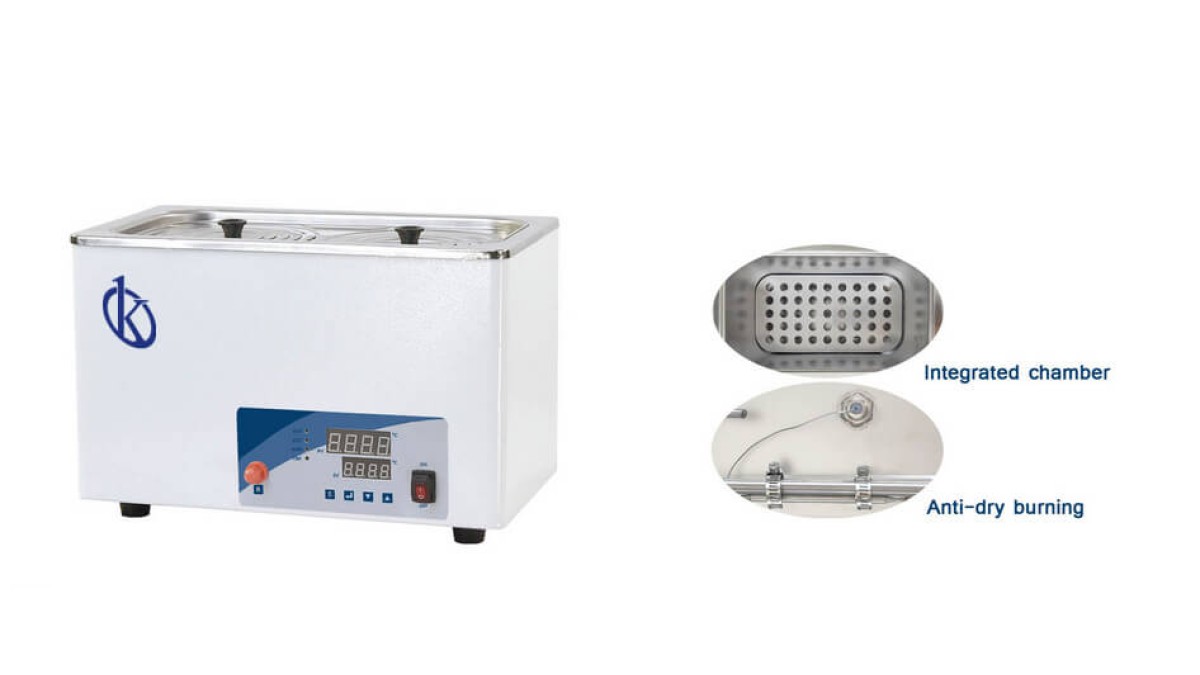
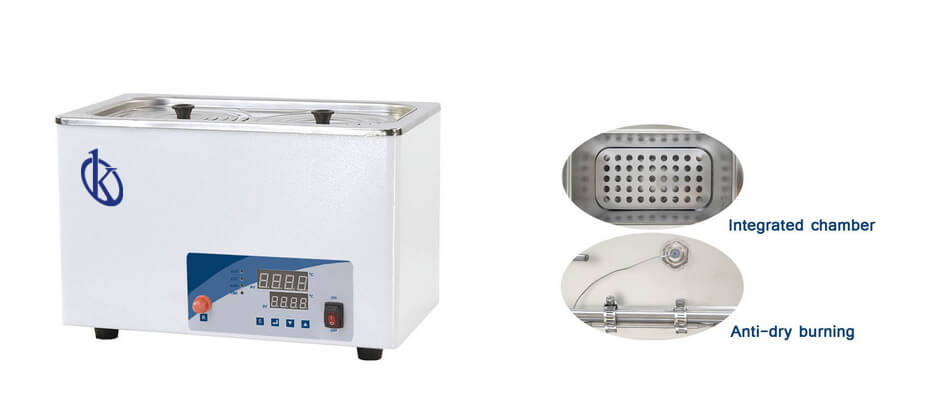
The history of water baths dates back to the early days of laboratory science when researchers required a reliable method to maintain samples at specific temperatures. The early models were simple, relying on fire or hot plates for heat. As technology evolved, so did the design of water baths, leading to electric models with built-in thermostats for accurate temperature control. The late 20th century saw the introduction of digital controls and PID (Proportional-Integral-Derivative) technology, enhancing precision and usability. Today, models like the Water Bath YR05073 and Water Bath YR05074 exemplify the peak of this evolution, combining advanced control systems with safety features.
How to use it step by step
Using a water bath effectively involves several steps:
- Select the appropriate water bath model based on your specific needs.
- Fill the water bath with distilled water, ensuring the water level is adequate for the samples you intend to place inside.
- Set the desired temperature on the digital control panel.
- Allow the water bath to stabilize at the set temperature before placing any samples inside.
- Introduce your samples into the bath, ensuring they are properly submerged.
- Monitor the temperature and adjust as necessary, utilizing the PID controls for precision.
- After use, clean the bath according to the manufacturer’s instructions to prevent contamination.
Best techniques and protocols
To maximize the effectiveness of water baths, adhere to the following best practices:
- Calibrate the water bath regularly to ensure accurate temperature readings.
- Use appropriate containers that can withstand the temperature and will not induce contamination.
- Maintain a consistent water level for uniform heating.
- Periodically check for any discrepancies in temperature across the bath.
Practical applications by laboratory type
Water baths serve various purposes depending on the laboratory type:
- Clinical Laboratories: Used for culturing microorganisms and biochemical assays.
- Research Laboratories: Essential for DNA and RNA extraction procedures.
- Pharmaceutical Laboratories: Critical for stability testing of drug formulations.
Regulations, standards and certifications
Laboratory water baths must comply with various standards to ensure safety and reliability. These include:
- ISO 9001 for quality management systems.
- ASTM standards for laboratory equipment safety.
- CE marking for compliance with European health, safety, and environmental protection standards.
Comparison with alternative technologies
Compared to alternative heating technologies such as hot plates and incubators, water baths offer several advantages:
- Uniform heating across samples, eliminating hot spots typical of hot plates.
- Higher precision in temperature control compared to traditional incubators.
- Versatility in applications, ranging from biological to chemical experiments.
Comparison of available models
| Model | Best for | Key specs | Recommended use case |
|---|---|---|---|
| YR05073 | General laboratory heating | 300W, PID control, 0-100 °C | Sample incubation and reagent heating |
| YR05074 | General laboratory heating | 600W, PID control, 0-100 °C | Sample incubation and reagent heating |
| YR030L | Biological and biochemical applications | RT-100 °C, 0.1 °C resolution | Biological sample preparation with agitation |
| YR05001 | Chemical reactions | Digital control, -35-200 °C | Reactor cooling and heating |
| YR05002 | Chemical reactions | Digital control, -35-200 °C | Reactor cooling and heating |
| YR05003 | Chemical reactions | Digital control, -35-200 °C | Reactor cooling and heating |
Common mistakes and how to avoid them
Common issues in using water baths can lead to inaccurate results:
- Failing to preheat the bath before adding samples: Always allow the bath to reach the desired temperature before introducing samples.
- Overfilling or underfilling the water bath: Maintain the appropriate water level to ensure efficient heat transfer.
- Neglecting regular calibration: Schedule routine checks to confirm the accuracy of temperature readings.
Maintenance, calibration and good practices 2026
Effective maintenance is crucial for the longevity of water baths:
- Clean the bath regularly to prevent cross-contamination.
- Calibrate the temperature control system biannually or according to usage frequency.
- Inspect electrical connections and water levels routinely to prevent malfunction.
Cost-benefit analysis 2026
The investment in a water bath can be justified through the following benefits:
- Increased accuracy and reliability of results compared to traditional heating methods.
- Diverse applications across various laboratory settings increase utility.
- Long-term cost savings through energy efficiency and reduced maintenance needs.
Frequently asked questions
How do I choose the right water bath for my laboratory?
Consider factors such as the required temperature range, the capacity needed, and any additional features like PID control, which enhance precision.
What maintenance is required for a water bath?
Regularly clean the bath, calibrate the temperature controls, and check for any signs of wear or malfunction.
Can I use a water bath for heating chemicals?
Yes, water baths are suitable for heating various chemicals, but ensure compatibility with the materials used in your samples.
What are the safety features I should look for in a water bath?
Look for features like over-temperature alarms and protective circuits to prevent overheating and ensure user safety.
How do I ensure uniform temperature distribution in my water bath?
Use a suitable stirring mechanism or ensure proper water circulation within the bath to achieve even temperature distribution.
Is it possible to calibrate the temperature settings on a water bath?
Yes, most modern water baths allow for calibration; refer to the manufacturer's guidelines for specific procedures.
Where can I find high-quality water baths for my laboratory?
You can request a quote on various models through reliable laboratory equipment providers, ensuring you choose the best fit for your needs.
If you are looking for a fusion of innovation and quality, you have come to the right place. At Kalstein, we offer you the luxury of exploring our exclusive catalog of laboratory equipment. We manufacture every device to the highest standards of excellence. Our intuitive and seamless online purchasing channels are designed for your convenience, securing the most competitive prices. Hesitate no longer — we bring science to life, it is time to become part of our community.