Benchtop Spectrophotometer: Techniques and Protocols in 2026
What is it used for in 2026
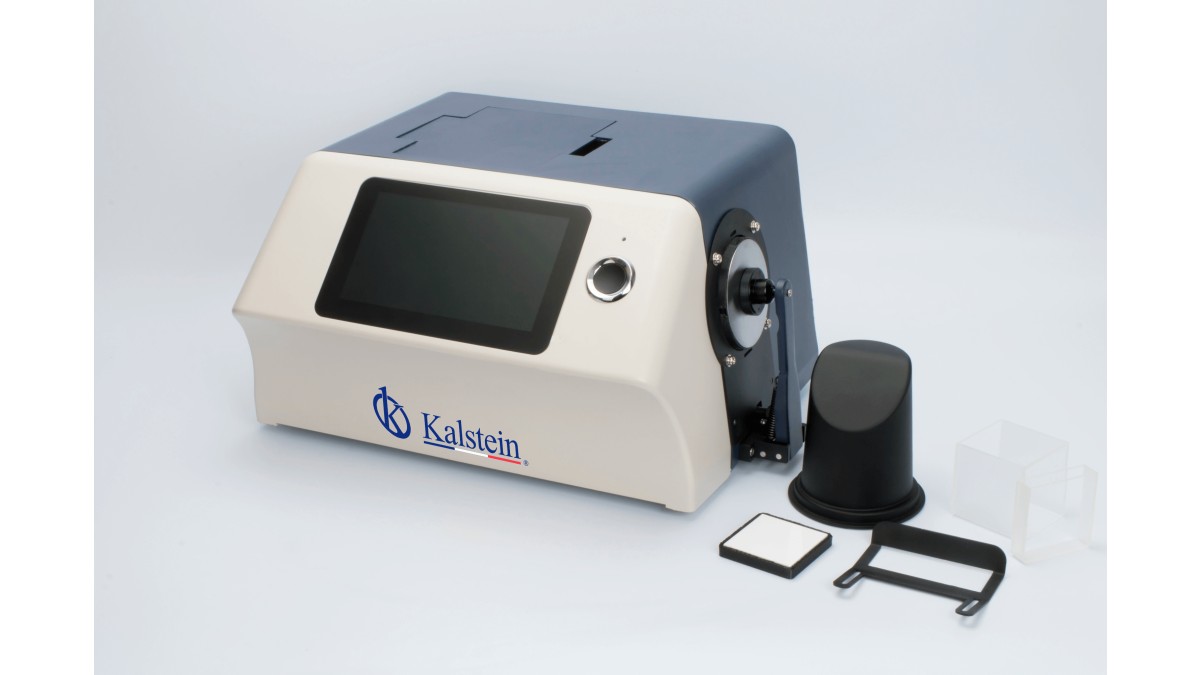
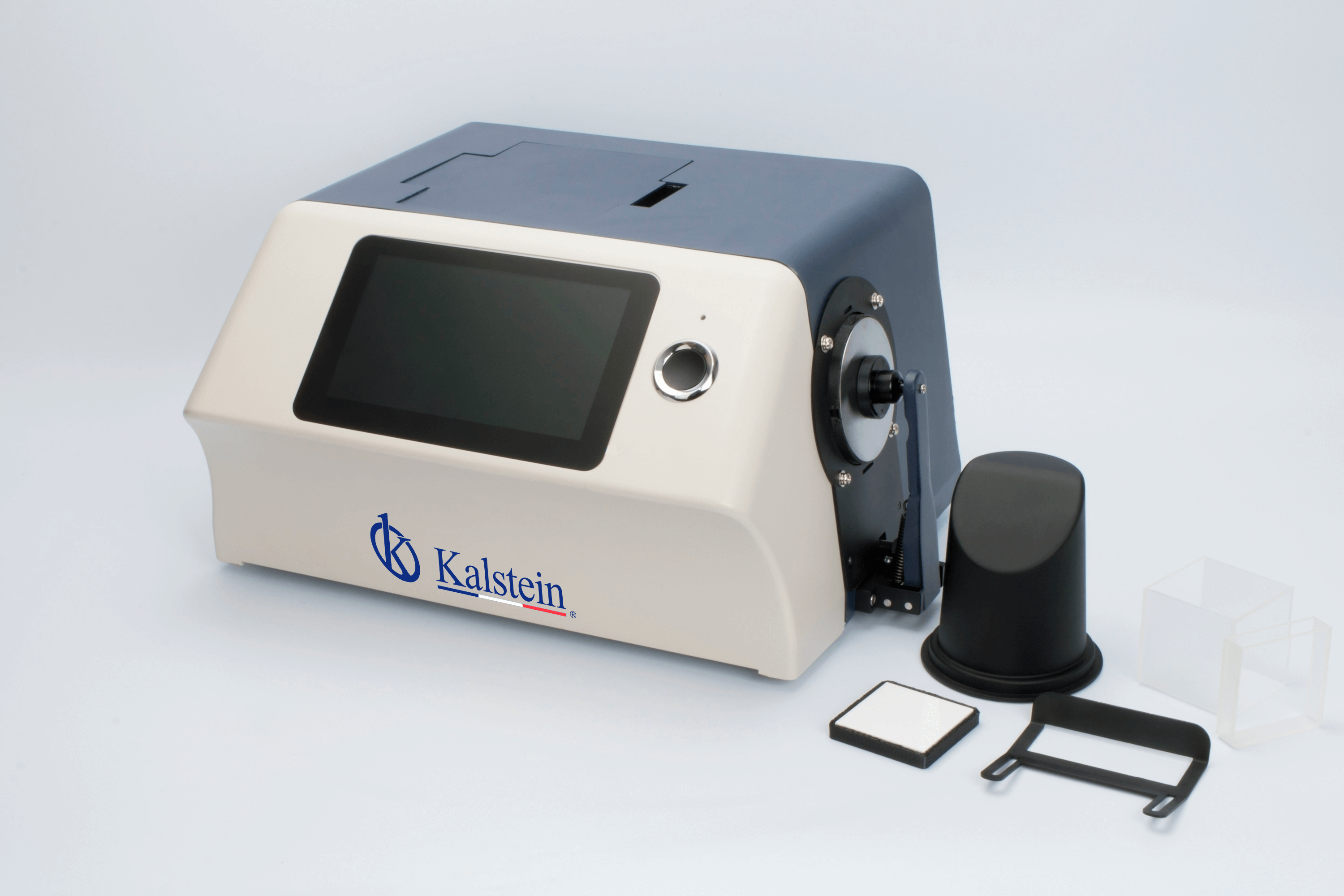
In 2026, benchtop spectrophotometers are pivotal tools in laboratories, particularly for color measurement and analysis. These instruments provide precise readings for reflectance and transmittance measurements, which are essential in various fields, such as materials science, chemistry, and biology. The applications include quality control in manufacturing, research and development in pigment formulations, and precise color matching in the paint and textile industries.
History and evolution of the technology
The technology behind spectrophotometers has evolved significantly since their inception. Initially developed in the 1940s, they were bulky and primarily used in research labs. Over the decades, advancements in optics, microelectronics, and software have transformed them into compact, user-friendly devices with enhanced accuracy and functionality. The advent of digital displays, improved sensors, and sophisticated data analysis software has made these instruments more accessible to a broader range of users.
How to use it step by step
Using a benchtop spectrophotometer involves a systematic approach to ensure accurate results. Here are the steps:
- Prepare the sample: Ensure the sample is clean and appropriately sized for measurement.
- Calibrate the instrument: Follow the manufacturer’s guidelines to perform a zeroing or baseline measurement.
- Set parameters: Select the appropriate wavelength range, measurement mode, and any specific settings required for your analysis.
- Measure the sample: Place the sample in the designated holder and initiate the measurement process.
- Record results: Save the data and analyze it using the software provided with the instrument.
Best techniques and protocols
Best practices for using benchtop spectrophotometers include regular calibration, maintaining a clean optical path, and using standardized measurement protocols. It is crucial to follow the specific guidelines for each instrument model, as outlined in the user manual. Additionally, using a controlled environment for color measurements helps minimize variances caused by external factors.
Practical applications by laboratory type
Benchtop spectrophotometers find varied applications across different laboratory environments:
- Chemical Laboratory: Used for analyzing the concentration of solutions and monitoring reaction processes.
- Material Science: Assessing color properties and stability of materials under various conditions.
- Textile Industry: Ensuring color consistency and quality control during production.
- Food and Beverage: Analyzing color and quality attributes in products.
Regulations, standards and certifications
In 2026, compliance with international standards such as ISO 17294 for spectrophotometric methods and ASTM E1164 is vital for laboratories. Additionally, adherence to CIE (International Commission on Illumination) standards ensures that color measurements are reliable and universally understood.
Comparison with alternative technologies
Compared to alternative technologies such as colorimeters or high-performance liquid chromatography (HPLC), benchtop spectrophotometers provide broader spectral analysis capabilities. While colorimeters are effective for simple color measurements, spectrophotometers offer in-depth analysis across a wider wavelength range, making them more versatile in research and industrial applications.
Comparison of available models
| Model | Best for | Key specs | Recommended use case |
|---|---|---|---|
| YR05474 | Color analysis in R&D | Touch screen, reflectance & transmittance d/8 & d/0 | Ideal for laboratory environments with rigorous color testing needs. |
| YR05475 | Stable color measurements | 7-inch TFT screen, UV included/excluded | Color analysis for quality control in production lines. |
| YR05476 | Precise color transmission analysis | UV/Visible range, ergonomic design | Applicable in laboratories focused on precise colorimetric analysis. |
| YR05477 | Reflectance of solids and liquids | Advanced optics and precise measurements | Great for evaluating the color of transparent and opaque materials. |
| YR05478 | Color difference formulations | Temperature compensation, high accuracy | Used in industries like paints and textiles for color matching. |
| YR05482 | Non-contact color measurement | 45/0 geometry, ideal for liquids and powders | Applicable for sensitive materials that cannot be touched. |
Common mistakes and how to avoid them
Common mistakes include improper calibration, overlooking environmental factors like lighting, and not following the correct measurement protocols. To avoid these issues, ensure regular training for staff, maintain consistent laboratory conditions, and always adhere to the user manual’s instructions.
Maintenance, calibration and good practices 2026
Regular maintenance of benchtop spectrophotometers is essential for accurate measurements. This includes cleaning the optical components, regularly calibrating the instrument, and ensuring that software is updated. Good practices involve documenting each maintenance session and ensuring that only qualified personnel operate the equipment.
Cost-benefit analysis 2026
The cost of investing in a benchtop spectrophotometer can be justified by the increased accuracy and reliability of measurements, which in turn can enhance product quality and reduce waste. Additionally, these instruments can significantly streamline workflows in laboratories, making the initial investment worthwhile over time.
Frequently asked questions
What should I consider when choosing a benchtop spectrophotometer?
Consider factors such as the measurement range, necessary features like UV capabilities, and whether it fits your laboratory's specific applications. Evaluate the ease of use and software compatibility as well.
How often should I calibrate my spectrophotometer?
Calibration frequency depends on usage, but it is generally recommended to calibrate daily before use, especially in high-precision applications, to ensure accuracy.
Can I use a benchtop spectrophotometer for solid samples?
Yes, many benchtop spectrophotometers are designed to measure both solid and liquid samples, but always check the model specifications to ensure compatibility.
What are the common environmental factors affecting measurements?
Lighting conditions, temperature, and humidity can all significantly affect measurements. Conducting measurements in a controlled environment will yield more consistent results.
How should I clean the optical components of my spectrophotometer?
Use a soft, lint-free cloth and appropriate cleaning solution recommended by the manufacturer. Ensure that no residues are left on the optical surfaces.
What is the typical lifespan of a benchtop spectrophotometer?
With proper maintenance, a benchtop spectrophotometer can last several years, often exceeding a decade. Regular servicing and adherence to best practices are key to extending its life.
If you are looking for a fusion of innovation and quality, you have come to the right place. At Kalstein, we offer you the luxury of exploring our exclusive catalog of laboratory equipment. We manufacture every device to the highest standards of excellence. Our intuitive and seamless online purchasing channels are designed for your convenience, securing the most competitive prices. Hesitate no longer — we bring science to life, it is time to become part of our community.